


Located in Argeș County, the city played a major role during the medieval period, becoming an important political and economic centre and one of the former princely residences.
The history of the town is closely connected with the beginnings of the medieval state of Wallachia. Archaeological research indicates the existence of earlier settlements, while during the medieval period the princely court of Basarab I developed here. During the reign of Nicolae Alexandru, the Metropolitanate of Ungro-Wallachia was established in Curtea de Argeș in 1359, while the Princely Church became one of the first burial places of Romanian rulers.
One of the city's main attractions is the Princely Court complex. Its remains, located in the centre of the city, preserve elements of the former princely residence, including the ruins of the princely houses and the Princely Church of Saint Nicholas. The complex dates from the 14th to the 16th centuries and represents one of the most important testimonies to the development of the medieval town.
The Princely Church of Saint Nicholas is one of the city's most valuable historic monuments. The present building was erected in 1352 by Basarab I, while most of its mural paintings date from the reign of Vlaicu Vodă, in the 14th century. The church also served as a princely necropolis and contains, among others, the tomb of Vlaicu Vodă.
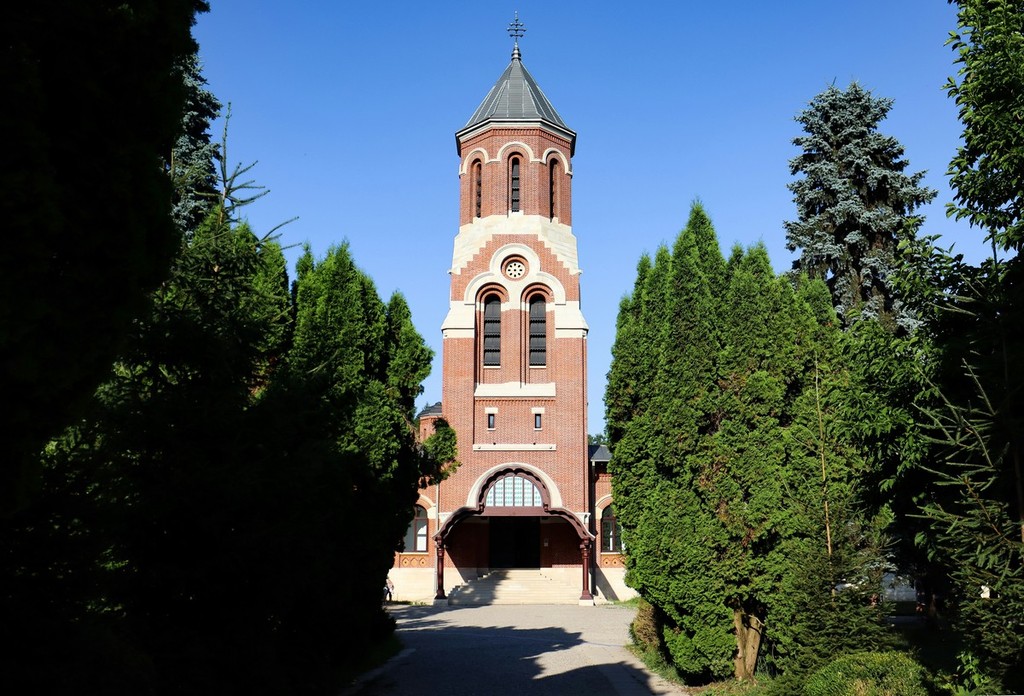
Another essential landmark is the Curtea de Argeș Monastery, built by Neagoe Basarab between 1512 and 1517 on the site of the former metropolitan church. The monument forms part of an important historic complex, together with the Episcopal Palace, the chapel and other buildings.
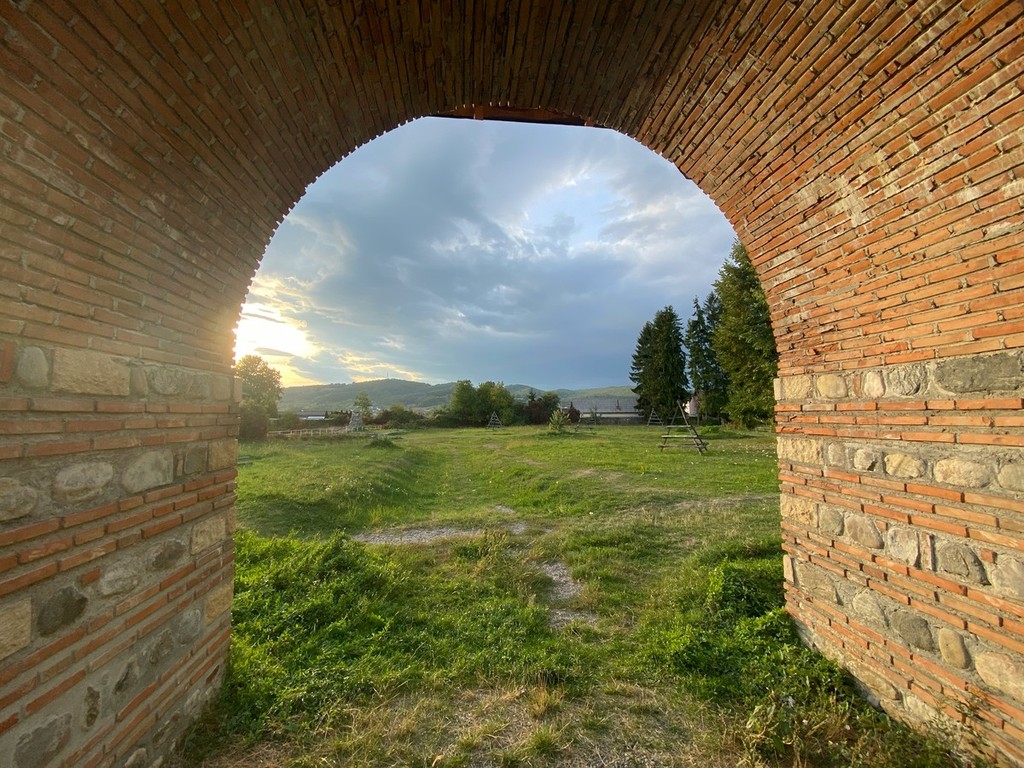
Close to the city centre are the ruins of Sân Nicoara, part of a court church dating from the 13th-14th centuries. Archaeological excavations carried out here have uncovered objects and fragments that provide information about the life of the medieval community.
For those interested in local history, the Curtea de Argeș Municipal Museum houses a collection of approximately 12,000 museum objects, some of which are part of Romania's National Cultural Heritage. The museum includes sections dedicated to history, ethnography and folk art. Its permanent history exhibition presents, through documents, archaeological artefacts, numismatic collections, medals and replicas of princely objects, the main stages in the development of the city.
Another cultural landmark is Casa Norocea, the former home of painter and restorer Dumitru Norocea. The building houses collections of art, ethnography and folk art, including traditional Argeș costumes, textiles, household objects and items connected with local crafts.
The city's heritage also includes the Olari Church, associated with the development of pottery in Curtea de Argeș during the 16th and 17th centuries. According to the information presented in the source material, local potters formed a guild and built their own church, a monument that preserves influences of the Moldavian architectural style.
The city's historic heritage is further enriched by numerous other monuments, including historic houses, the Curtea de Argeș Railway Station, the Church of the Entrance into the Church in Brad-Bătușari and other religious and civil buildings. The municipality is home to 16 historic monuments of national interest, including the Princely Court complex, the Curtea de Argeș Monastery complex, the Sân Nicoara Church complex and several historic buildings.
The Master Manole Fountain, located near the Curtea de Argeș Monastery, is also part of the city's cultural heritage. The landmark is connected with one of the best-known legends associated with the monastery, the story of Master Manole and the construction of the monastery.
With its concentration of monuments, archaeological remains, museums and historic buildings within a relatively compact area, Curtea de Argeș offers a tourist route centred on the medieval history and cultural development of the city. From the Princely Court and the Princely Church to the Curtea de Argeș Monastery, Sân Nicoara, the Municipal Museum and Casa Norocea, the local heritage reflects the important role this town has played in the history of Wallachia and in the cultural development of the region.




 International editions: