


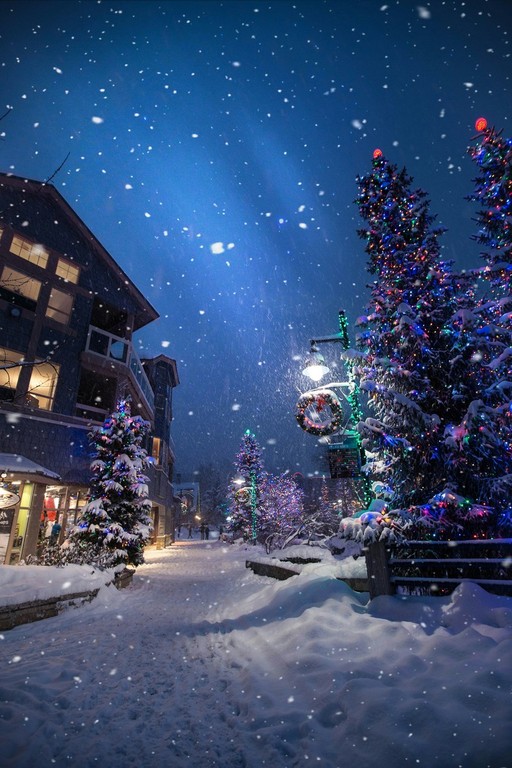
From traditional carols sung along village streets to homemade dishes and customs preserved over centuries, the winter holidays offer an authentic glimpse into Romania's rich cultural heritage.
In many regions of Romania, Christmas continues to be celebrated through traditions passed down from one generation to the next, with each area preserving distinctive customs that reflect the history and identity of its local communities.
Christmas Caroling: One of Romania's Most Beloved Traditions
Christmas caroling holds a central place in Romanian holiday celebrations. On Christmas Eve, groups of children, young people, and adults go from house to house, announcing the birth of Jesus Christ through traditional songs and wishes for health, prosperity, and abundance.
In many villages, carolers wear traditional folk costumes and are welcomed by their hosts with apples, walnuts, braided bread, sweets, or other small gifts.
In certain communities, caroling follows specific rituals and rules passed down through generations, with groups beginning their preparations well before the holidays.
The importance of this tradition has also received international recognition. In 2013, the traditional male group caroling practiced in Romania and the Republic of Moldova was inscribed on UNESCO's Representative List of the Intangible Cultural Heritage of Humanity.
Beyond its religious significance, caroling symbolizes solidarity and the strong bonds between members of the community.
Preparing Homes for the Christmas Celebrations
In Romanian villages, Christmas preparations often begin several days before the holiday. Homes are cleaned and decorated, while families prepare the traditional dishes that will be served during festive meals.
In the Romanian Orthodox tradition, Christmas is preceded by a period of fasting that ends with the celebration of the birth of Jesus Christ.
In some rural communities, the traditional slaughtering of pigs is still practiced around St. Ignatius Day, known locally as Ignat, on December 20. This custom is associated with preparing food for the winter holidays.
Cooking traditional dishes is often a family activity, during which recipes and culinary techniques are passed down from one generation to another.
The Christmas Table: A Symbol of Romanian Hospitality
Food plays an essential role in Romanian Christmas traditions, with festive meals bringing together dishes that reflect the culinary identity of each region.
Among the most popular specialties are sarmale, cabbage rolls stuffed with meat and rice; roasted pork; homemade sausages; caltaboș, a traditional pork-based sausage; piftie, a savory meat jelly; and cozonac, a traditional sweet bread.
In some regions, families also prepare traditional braided breads, which are offered to carolers or placed on the Christmas table.
The Christmas meal is much more than a culinary experience. It is an opportunity for families to reunite, strengthen relationships between generations, and celebrate the hospitality for which Romanian communities are known.
Maramureș: A Region Where Traditions Come to Life
Maramureș is one of Romania's best-known regions for preserving folk customs and rural heritage.
During Christmas, in many villages, carolers dressed in traditional costumes walk along the streets, announcing the holiday through songs passed down over generations.
Wooden churches, traditional farmhouses, and mountain landscapes contribute to the distinctive atmosphere of the celebrations.
In some communities, attending religious services and visiting relatives and neighbors remain important parts of Christmas.
For visitors, Maramureș offers the opportunity to discover local traditions in an authentic rural setting.
Bucovina: Christmas Carols, Faith, and Folk Customs
Bucovina is another Romanian region renowned for its rich winter traditions.
In Bucovina's villages, Christmas caroling, attending religious services, and preparing traditional dishes remain important aspects of community life.
Traditional costumes, folk songs, and the warm hospitality of local residents help preserve the region's festive atmosphere.
Bucovina is also famous for its masked performances and traditional dances, including the Bear Dance and the Goat Dance, which are mainly performed around New Year's Eve as part of the wider winter holiday cycle.
Snow-covered landscapes, traditional households, and historic monasteries make Bucovina an attractive destination for travelers interested in culture and local traditions.
Transylvania and the Diversity of Christmas Traditions
In Transylvania, Christmas celebrations reflect the region's cultural diversity, where Romanian traditions coexist with those of Hungarian, Saxon, and other ethnic communities.
In many Romanian villages, Christmas caroling remains an important custom, while some communities organize traditional performances depicting the birth of Jesus Christ.
One example is Viflaim, a form of religious folk theater found in different parts of Romania, which presents scenes associated with the Nativity.
In villages with a Saxon heritage, Advent traditions, religious services, and traditional Christmas songs enrich the region's cultural identity.
This diversity makes Transylvania a fascinating destination for discovering different winter holiday customs.
Traditions and Customs That Bring Communities Together
In many Romanian villages, the winter holidays represent an important moment in community life.
Alongside Christmas caroling, different regions preserve customs such as Mersul cu Steaua, or Walking with the Star, during which children carry a decorated star and sing songs announcing the birth of Jesus Christ.
Other traditions include folk performances inspired by local customs and religious stories.
Celebrations such as Plugușorul, a traditional New Year's greeting associated with prosperity, Sorcova, a custom involving wishes for health and happiness, and masked dances are mainly associated with the New Year. However, they form part of the same traditional winter holiday calendar.
These customs help preserve cultural values and strengthen connections between generations.
Rural Tourism and the Charm of a Traditional Romanian Christmas
In recent years, tourism experiences centered on discovering local traditions have become an important part of rural tourism.
Villages in Maramureș, Bucovina, and Transylvania offer visitors the opportunity to spend the holidays in a setting far removed from the atmosphere of large cities, while discovering regional cuisine, traditional crafts, and local customs.
Traditional guesthouses, rural households, and cultural events organized during the holiday season contribute to promoting local heritage.
For travelers, participating in these experiences provides an opportunity to better understand Romanian culture and discover the significance of traditions preserved in rural communities.
Christmas in Romanian Villages: A Connection Between Past and Present
Christmas traditions in Romanian villages represent a valuable part of the country's cultural heritage. Although some customs have adapted to modern life, many communities continue to pass them down to younger generations.
Christmas carols, traditional costumes, festive dishes, and religious rituals keep the connection between the past and the present alive.
From Maramureș to Bucovina and Transylvania, each region contributes to Romania's cultural diversity, offering visitors the opportunity to discover a Christmas celebration in which tradition, spirituality, and hospitality remain central.
For travelers seeking an authentic experience, spending Christmas in a Romanian village can become a memorable journey into a world of customs, stories, and values passed down through generations.



 International editions: