


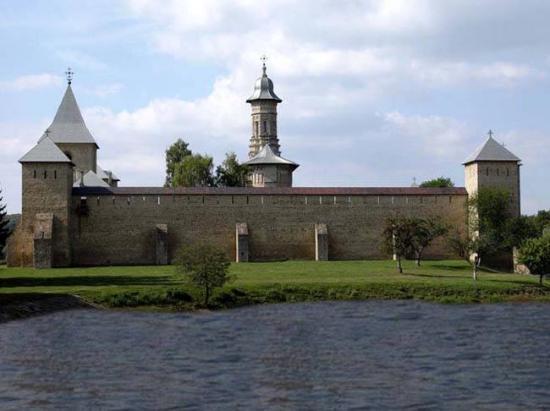
Situato a soli 12 km da Suceava, antica capitale del principato di Moldavia tra il XIV e il XVI secolo, Monastero di Dragomirna appare come una vera e propria fortezza. Il monastero di Dragomirna, sebbene sia stato costruito e rifinito in più fasi durante i primi decenni del XVII secolo, combina armoniosamente diversi stili, concezioni e influenze straniere, passate attraverso un filtro autoctono, integrate e interpretate secondo le tradizioni dell’arte moldava.
Da qui deriva l’impressione di unità che questo monumento trasmette: una sintesi tra il fondo tradizionale antico ed elementi di innovazione artistica che i suoi creatori hanno adottato, applicato e sviluppato a un livello mai raggiunto in precedenza.
Pertanto, Dragomirna – con tutto ciò che è ad essa connesso come creazione artistica – segna un momento distinto nella storia dell’arte tradizionale rumena.
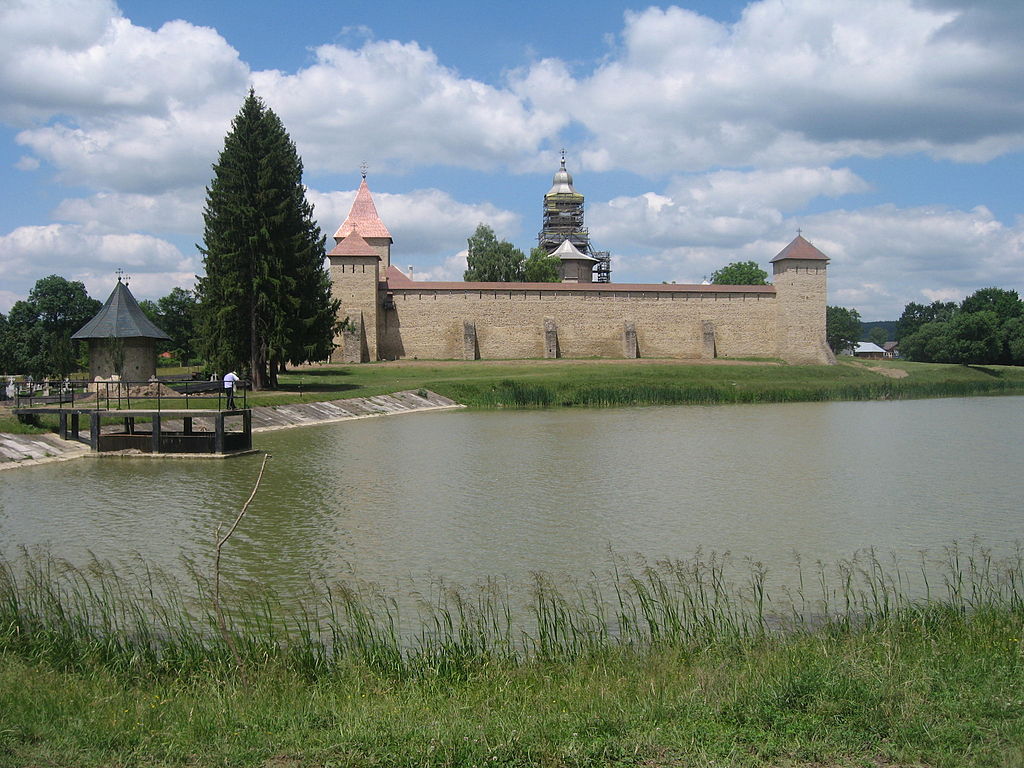
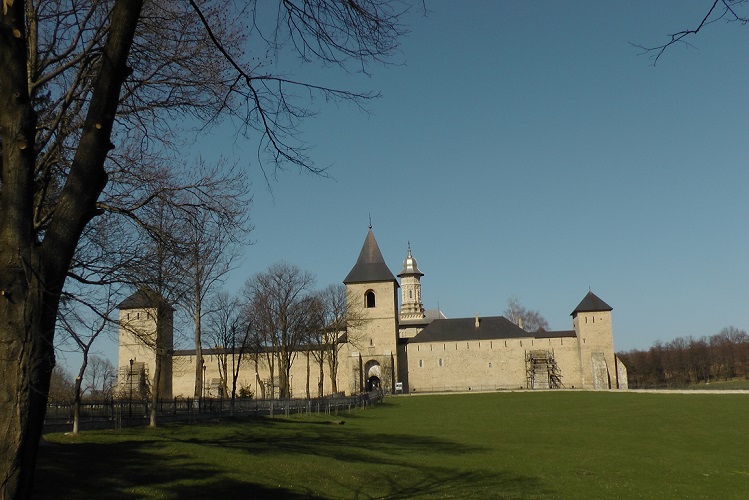
Situato sulla collina al centro di un’ampia radura di un tempo, rispecchiato nelle acque che scorrono ai piedi delle sue mura, con le massicce torri agli angoli, il Monastero di Dragomirna è composto da una chiesa piccola, una chiesa grande, le mura, l’antico edificio dell’abbazia, le cinque torri, le celle e la cappella.
Le mura e le torri
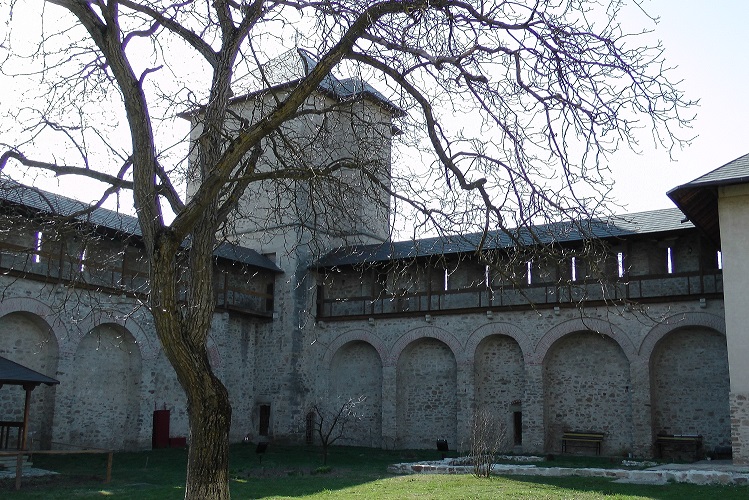
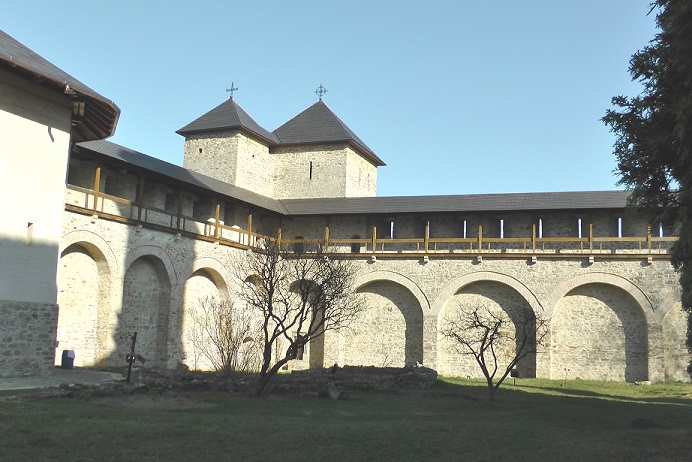
Dragomirna è stata progettata, creata e perfezionata durante il periodo di splendore dei Movilești, ma ha conosciuto anche i tempi turbolenti dell’inizio del XVII secolo, che imposero misure di protezione come la costruzione delle imponenti mura di difesa, realizzate nel 1627 dal principe Miron Barnovschi, alte circa 11 metri, mai viste in nessun altro monastero rumeno.
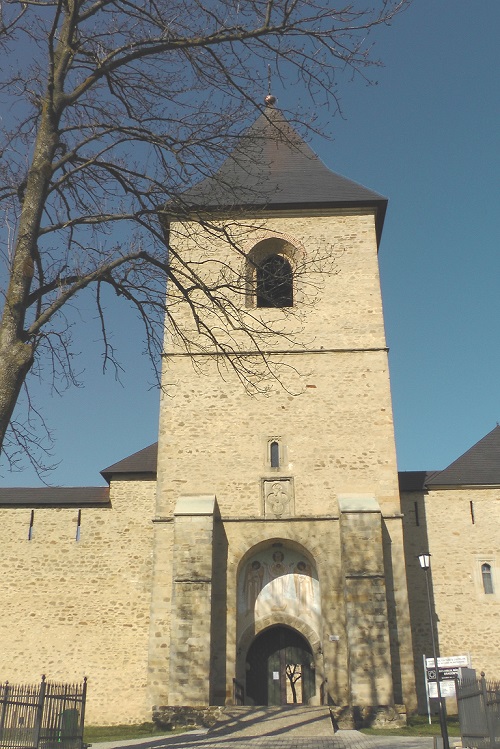
La torre ospita una sala delle campane, una cappella e, alla base, è attraversata da un passaggio in stile gotico che consente l’ingresso nel convento, decorato con diversi elementi a forma di piante.
L’ingresso, chiuso soltanto da una porta di legno, un tempo era protetto da un ponte che copriva il fossato ed è decorato con due file di riquadri con motivi floreali e geometrici scolpiti nella pietra.
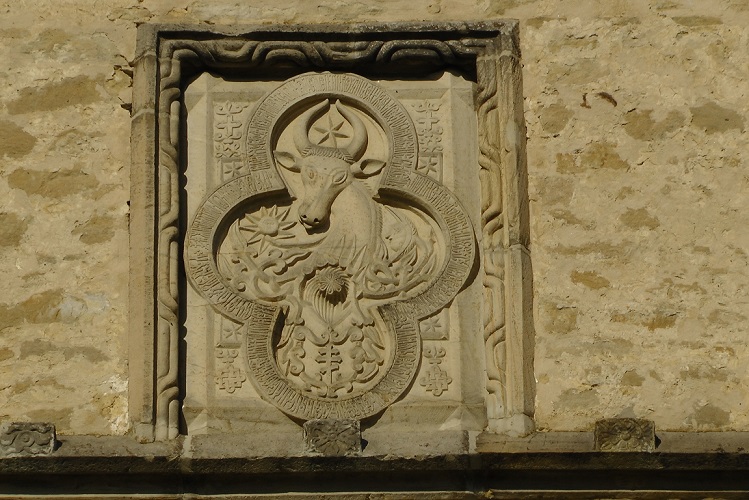
Il pezzo più interessante, situato sopra l’arco ornato, è l’iscrizione realizzata nel 1627 su ordine del principe Miron Barnovschi. L’epigrafe, collocata in una cornice circondata da un motivo a doppio cordone simile a una corda intrecciata e sostenuta alternativamente a sinistra e a destra, contiene l’emblema moldavo scolpito nella pietra con grande finezza.
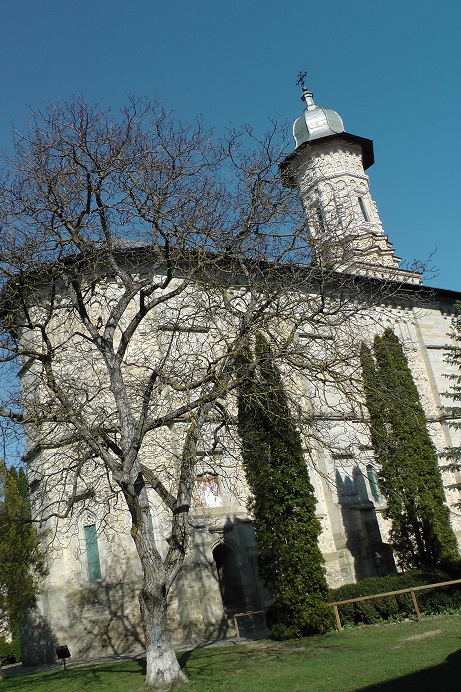
As a novelty in the Moldovian religious architecture is the unusually high proportions in the large church of Dragomirna, which exceed the normal scale of values. The height of the construction related to the width is too wide (L.35 / l.9,5 / h. 42), emphasizing even more the tendency of verticality.
If the churches of Bucovina of the XVI-th century are famous for their outdoor multicolored paintings, the monastery of Dragomirna follows the path of a new decorative system, namely that of the artistic work of the stone.
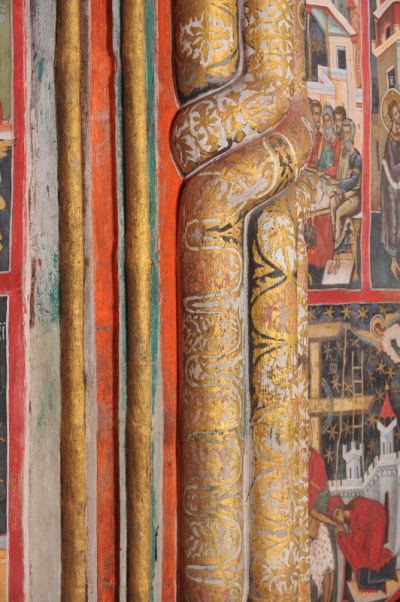
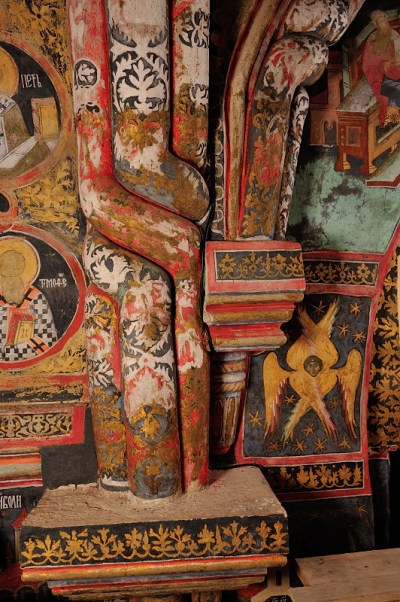
Here, the stone takes the place of the paintings and is molded to create unique decorative elements, such as the belt-decoration which collects three alternative bulls under the aspect of a rope. They say it was put here by Metropolitan Crimca to restore the symbol of the three Christian virtues: Faith, Hope and Love, namely the symbol of the Holy Trinity, a symbol that has to guide the Romanians in preserving the unity of the three Romanian principalities. Other decorative elements alternate between the Gothic style of a century ago and the late Moldavian Gothic style.
The Tower

The architectural decoration draws the eye upward, where there is the tower of the church. With the circular shape inside and octagonal outside, is the architectural element that crowns the nave and thanks to which the church exceeds the height of 30 meters. The richness of the ornaments and the beauty of the decorations, intertwined with the mastery of their combination, create the impression of embroidery of stone that stands out discreetly from the rest of the assembly to become the jewel of the monastery.
The interior of the large church
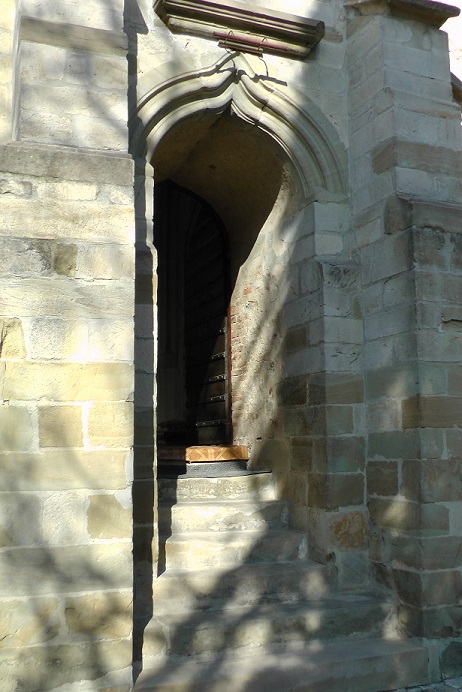
The church, made up from the atrium, the nartex, the naos and the altar, was built in several phases. The access in each room is by climbing a few steps, so that the entire building is located above the level of the court. To enter the atrium of the church you have to climb seven steps, and till the altar there are seven more steps to climb.
The number seven, with a rich symbolism in the Holy Scripture refers to the seven sacraments of the Orthodox faith, the seven gifts of the Holy Spirit, and the seven days of creation week. Every step that leads to the altar contributes to the gradual ascent, creating a differentiation of the value of each room in part, to culminate with the naos from the altar, which is 1.55 m above the porch. The consecutive ascension of the four rooms of the church creates a unique impression, a "dynamic of space", never seen in the earlier buildings.
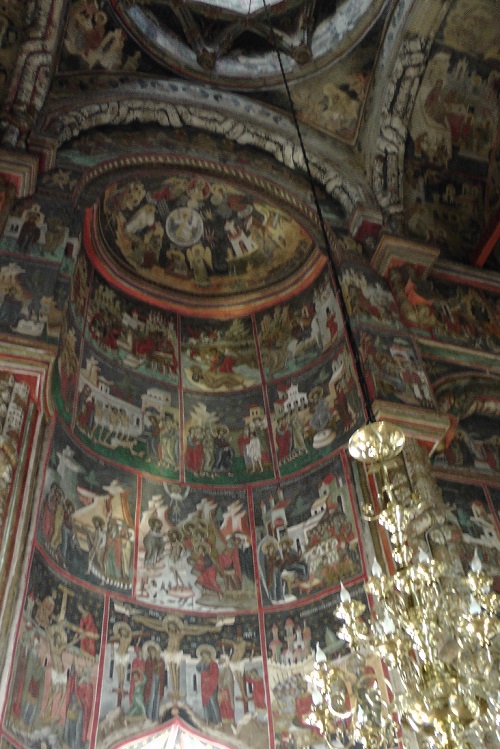
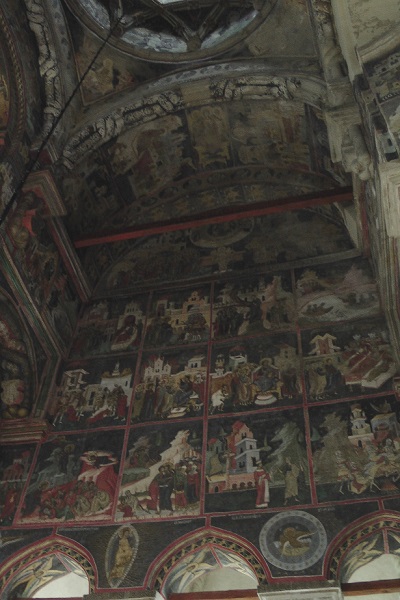
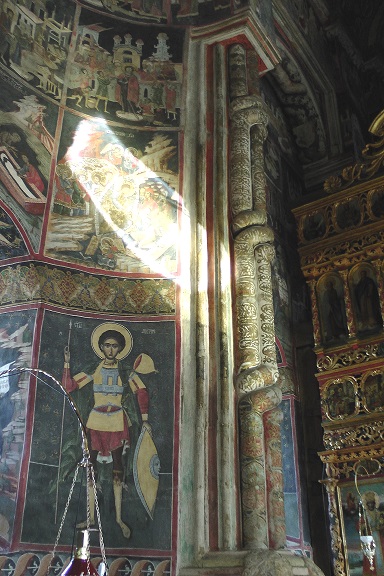
Dragomirna caries today the imprint of his three great founders: Luca Stroici (from one of the most important Moldavian boyars families and also named the "father of Latin Romanian philology "), Anastasio Crimca (Metropolitan of Moldavia for two decades) and Miron Barnovschi (from one of the most important Moldavian boyars families and prince of Moldavia twice from 1626 to 1629 and apr.1633 - iul.1633).
The collaboration of the three founders in the construction of the complex took place thanks to their strong spiritual affinity, common intellectual concerns. The monastic complex of medieval art Dragomirna reflects the cultural and artistic atmosphere of the period to which it belongs and is an important page in the Romanian history.




 International editions: