


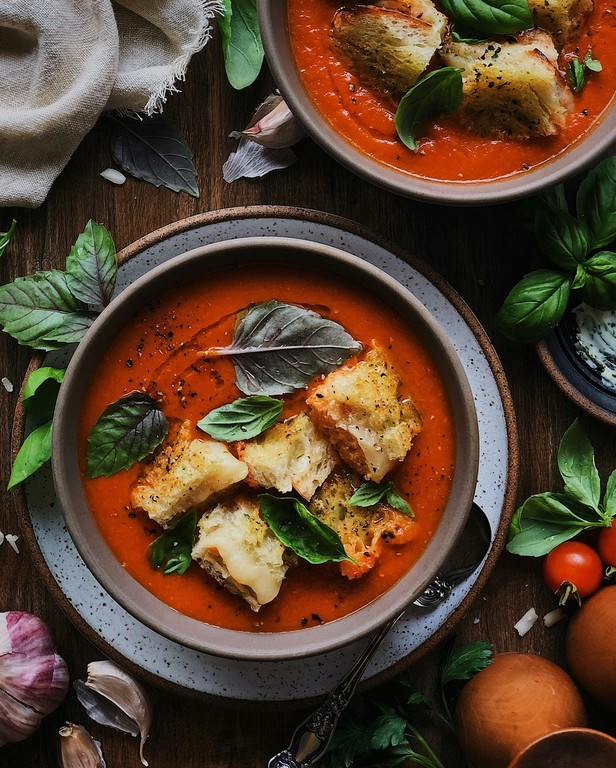
Rich, hearty, and deeply flavorful, this traditional recipe combines tender beans, smoked meat, vegetables, and fermented bran broth known as “borș,” creating a distinctive sour taste that defines many Romanian soups.
Originally considered a rustic countryside meal, bean soup with smoked meat gradually became a symbol of authentic Romanian cooking and is now widely served both in family homes and traditional restaurants throughout the country. In Moldova, the recipe has been preserved for generations and is closely associated with winter meals, family gatherings, and rural culinary traditions.
Origins and Culinary Tradition
The origins of this soup can be traced back to the rural communities of Moldova, where simple and nourishing ingredients formed the basis of everyday cooking. Beans were easy to cultivate and store during the cold season, while smoked pork products came from the traditional winter pig slaughter known as Ignat.
In earlier times, the soup was slowly cooked in large clay pots over wood-fired stoves, which gave it an intense and unmistakable flavor. The use of natural fermented borș — prepared from wheat bran — transformed an ordinary bean soup into a uniquely Romanian specialty.
Traditionally, the dish was often served alongside:
- red onion,
- hot peppers,
- homemade bread,
- or warm polenta.
Traditional Ingredients
For approximately 6–8 servings:
- 500 g dried beans
- 700–800 g smoked pork (smoked ham hock, ribs, or bacon)
- 2 carrots
- 1 parsley root
- 1 parsnip
- 1 large onion
- 1 bell pepper
- 2–3 potatoes (optional)
- 500 ml fermented borș
- 2–3 tablespoons tomato paste or chopped tomatoes
- fresh lovage
- fresh parsley
- salt
- black pepper
- cooking oil
Traditional Cooking Method
1. Preparing the Beans
The beans are thoroughly washed and soaked overnight in cold water. This step helps soften them and reduces the cooking time.
The next day, the soaking water is discarded, and the beans are boiled in fresh water. Traditionally, Romanian cooks change the water two or three times during boiling to achieve a lighter and smoother taste.
2. Cooking the Smoked Meat
In a separate pot, the smoked meat is simmered slowly until tender and aromatic. If using smoked ham hock, the meat can later be cut into smaller portions.
The flavorful broth obtained during this process plays a crucial role in the final taste of the soup.
3. Preparing the Vegetable Base
In a large pot, lightly sauté:
- the onion,
- carrots,
- parsley root,
- parsnip,
- and bell pepper
with a small amount of oil.
The vegetables are cooked gently until they release their sweetness and aroma.
4. Combining the Ingredients
Add:
- the cooked beans,
- the smoked meat,
- the meat broth,
- and additional water if necessary.
Allow the soup to simmer over low heat until all the flavors blend together perfectly.
If desired, diced potatoes can be added toward the end of the cooking process.
5. Adding the Sour Flavor and Final Aromas
The fermented borș is traditionally boiled separately for a few minutes before being poured into the soup. Tomato paste or chopped tomatoes are then added for color and freshness.
Finally, fresh lovage — an essential herb in many Moldavian soups — is added generously.
The final taste should be:
- slightly sour,
- smoky,
- rich,
- and highly aromatic.
Serving Suggestions
In many parts of Moldova, bean soup with smoked meat is served piping hot together with:
- red onion,
- hot chili peppers,
- sour cream (optional),
- rustic homemade bread,
- or polenta.
Some traditional Romanian restaurants also serve the soup inside a hollowed loaf of bread, creating a rustic and visually impressive presentation.
Secrets of an Authentic Recipe
Traditional Romanian cooks believe that the success of this dish depends on several essential details:
- using natural fermented borș,
- choosing high-quality smoked meat,
- slow simmering,
- and adding fresh lovage at the end.
Many people also say the soup tastes even better the following day, after the flavors have had time to fully develop.
A Symbol of Romanian Cuisine
Borș de fasole cu afumătură remains one of the defining dishes of traditional Romanian gastronomy. Simple yet deeply satisfying, this soup perfectly reflects the spirit of Moldavian cuisine: humble ingredients transformed through patience, tradition, and craftsmanship into a memorable culinary experience.




 International editions: