


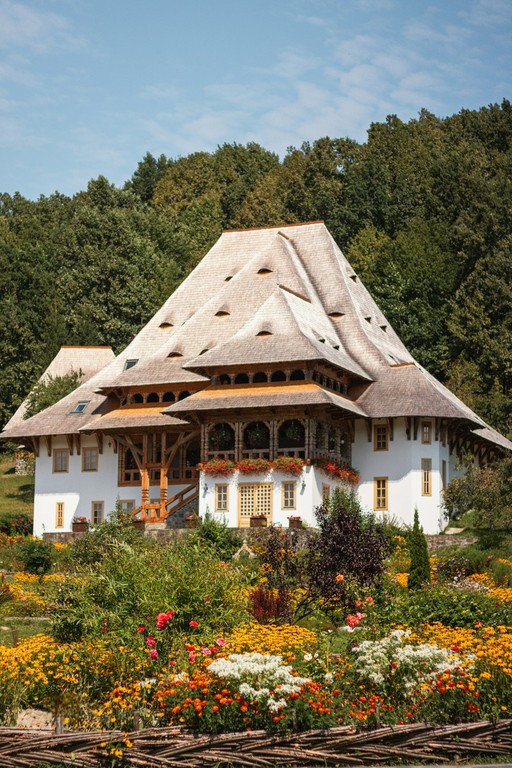
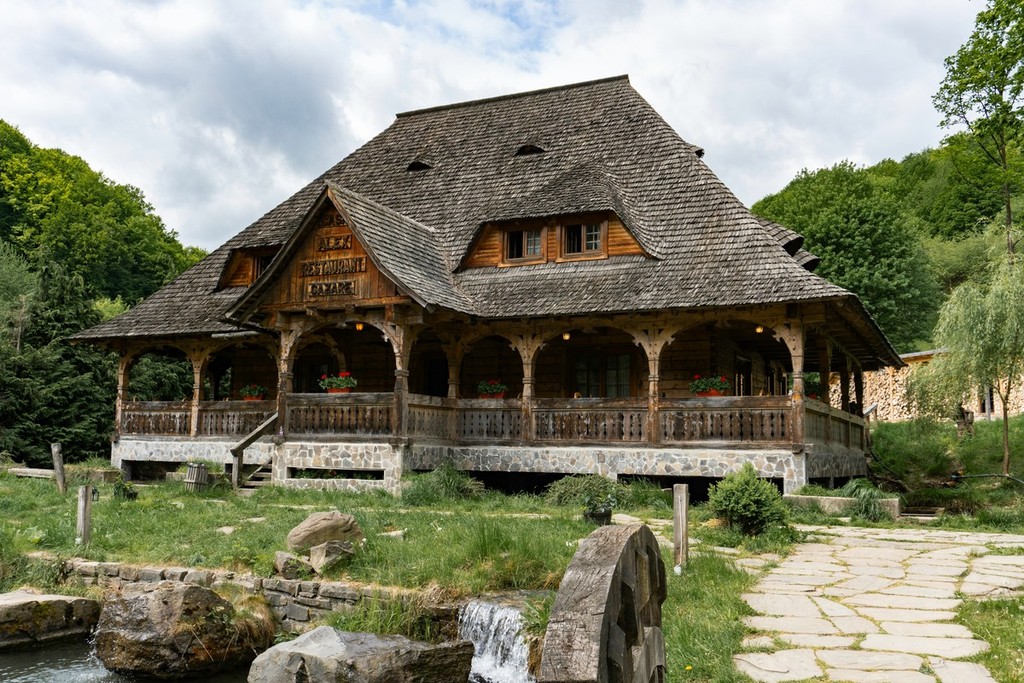
Historic wooden houses, churches, watermills, craft workshops, and traditional farmsteads have been carefully preserved to tell the story of the Romanian countryside and the country's remarkable cultural diversity.
Whether you are passionate about history, architecture, or simply looking for a relaxing walk surrounded by nature, these open-air museums deserve a place on your travel itinerary.
ASTRA Museum – Sibiu
Located in the Dumbrava Forest near Sibiu, the ASTRA Museum is the largest open-air museum in Romania and one of the most impressive in Europe. Covering approximately 96 hectares, it is home to more than 300 traditional buildings, including peasant houses, watermills, windmills, craft workshops, wooden churches, and traditional technical installations.
Visitors can enjoy live craft demonstrations, traditional festivals, and interactive workshops, making every visit an authentic cultural experience.
"Dimitrie Gusti" National Village Museum – Bucharest
Situated near King Michael I Park (Herăstrău), the National Village Museum is one of Romania's best-known cultural attractions. Established in 1936, it features more than 300 traditional buildings relocated from every region of the country.
Traditional houses, wooden churches, mills, and farm buildings provide a fascinating insight into Romanian rural life over the past centuries.
"Romulus Vuia" Ethnographic Park – Cluj-Napoca
Opened in 1929, the "Romulus Vuia" Ethnographic Park was Romania's first open-air ethnographic museum. It showcases traditional households and rural architecture specific to Transylvania.
Visitors can explore watermills, oil presses, wooden churches, and authentic houses brought from different ethnographic regions of Transylvania.
Banat Village Museum – Timișoara
Located near the Green Forest (Pădurea Verde), the Banat Village Museum offers an authentic journey into the traditions and rural architecture of the Banat region. Traditional homes, a village school, a wooden church, an inn, and artisan workshops recreate the atmosphere of Banat villages from centuries past.
Throughout the year, the museum hosts numerous folk festivals, craft fairs, and cultural events.
Bukovina Village Museum – Suceava
This open-air museum highlights the cultural heritage of Bucovina through traditional farmsteads, historic technical installations, and artisan workshops typical of the region. Visitors can admire the area's distinctive architecture and learn about the customs that shaped rural life in northeastern Romania.
Museum of Traditional Folk Civilization – Negrești-Oaș
Located in Satu Mare County, this museum presents the unique traditions of the Oaș Country through traditional houses, beautifully carved wooden gates, artisan workshops, and ethnographic collections illustrating everyday rural life in northwestern Romania.
It is considered one of the country's most representative museums dedicated to regional folk culture.
Vâlcea Village Museum – Râmnicu Vâlcea
Set in a beautiful natural landscape, the Vâlcea Village Museum brings together traditional households, wooden churches, and rural buildings representative of the Oltenia region. Visitors can discover traditional construction techniques, household objects, and customs that have been preserved for generations.
More Than Just Museums
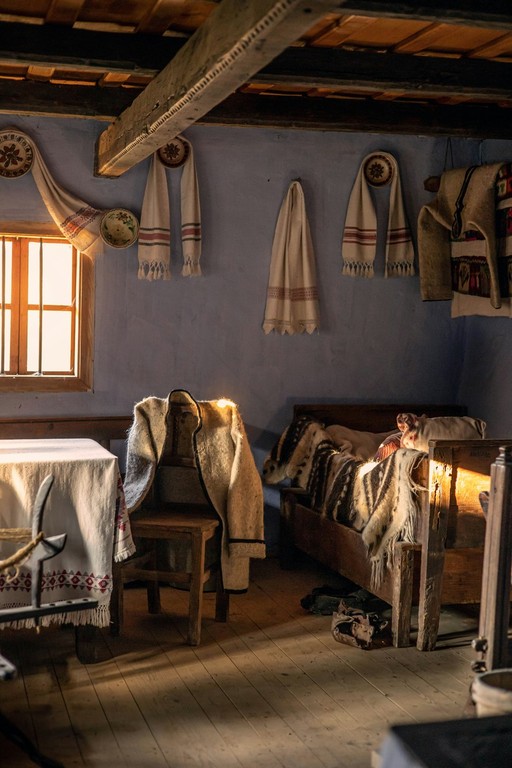
Romania's open-air museums are far more than exhibition spaces. They are vibrant cultural centers where visitors can experience traditional craft demonstrations, folk performances, local food fairs, and educational workshops for both children and adults.
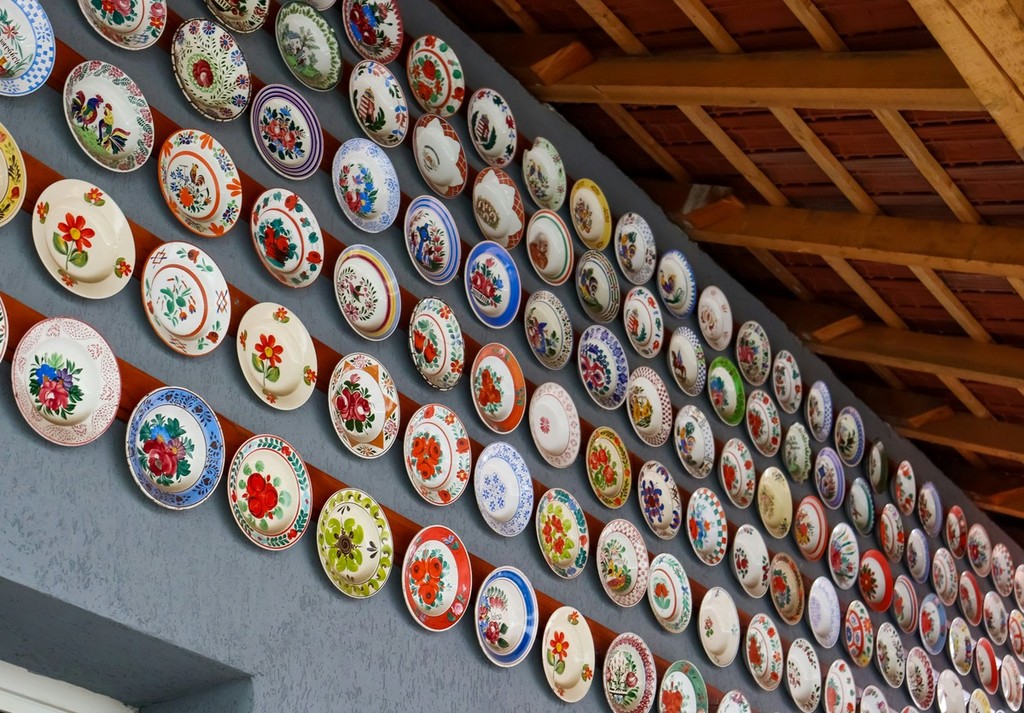
Many museums also offer the opportunity to meet skilled artisans and learn traditional crafts such as pottery, weaving, woodcarving, and blacksmithing.
A Journey Through Romania's Rural History
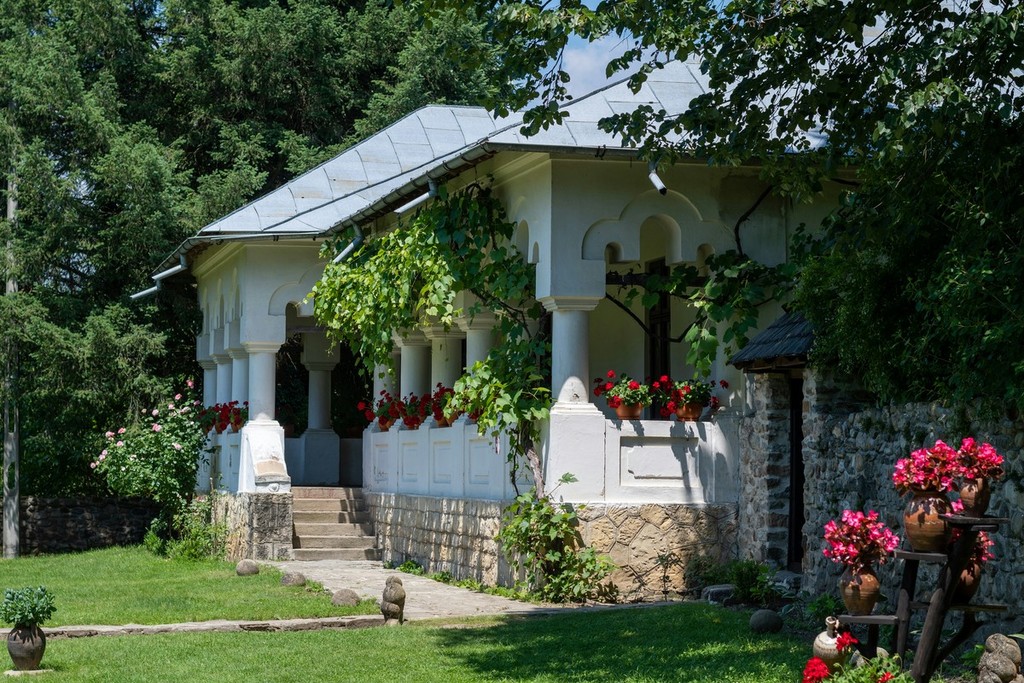
Visiting an open-air museum is like stepping back in time. Every traditional house, church, mill, and workshop tells the story of a local community, reflecting the creativity, traditions, and everyday life of generations past.
For both Romanian and international visitors, these museums offer one of the best opportunities to discover the country's rich cultural heritage and experience the authentic charm of the Romanian village, all within beautiful natural surroundings that make every visit even more memorable.




 International editions: