


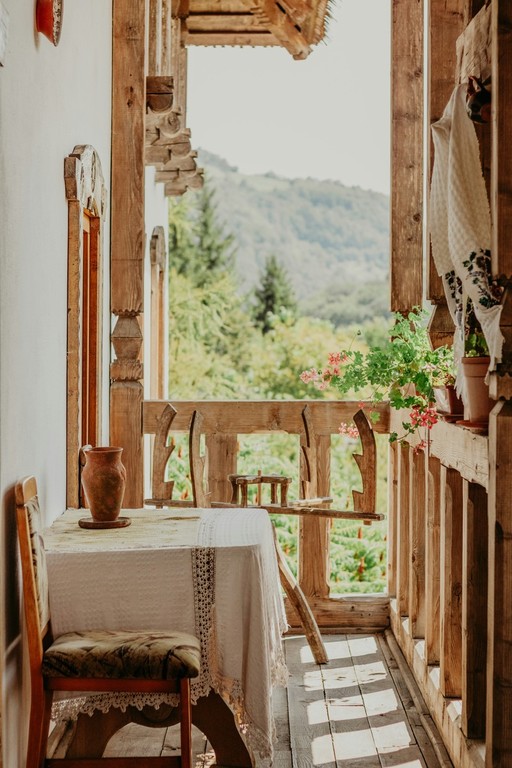
Romanian cuisine blends local traditions with Balkan, Ottoman, Austro-Hungarian, and Saxon influences, resulting in hearty, flavorful dishes prepared with fresh local ingredients.
For those who want to discover Romania through its authentic flavors, here are 15 traditional dishes that should be part of every culinary journey.
Sarmale (Stuffed Cabbage Rolls)
Sarmale are undoubtedly one of Romania's most iconic dishes. Pickled cabbage leaves or vine leaves are filled with a mixture of minced meat, rice, and spices, then slow-cooked for several hours. They are traditionally served with polenta, sour cream, and hot peppers, making them a staple of festive meals.
Mămăligă (Romanian Polenta)
Made from cornmeal, mămăligă is a staple food in many regions of Romania. Although it was once considered the food of rural communities, today it is featured in traditional restaurants and served alongside cheeses, stews, fish, or meat dishes.
Mici (Mititei)
Also known as mititei, mici are skinless grilled sausages made from a mixture of beef, pork, and sometimes lamb, seasoned with garlic, thyme, and aromatic spices. They are grilled over charcoal and traditionally served with mustard and fresh bread. For many Romanians, no barbecue is complete without mici.
Ciorbă de Burtă (Tripe Soup)
Considered one of Romania's most beloved soups, ciorbă de burtă has a creamy texture and a rich flavor thanks to its combination of beef tripe, sour cream, egg yolks, and garlic. It is usually served with vinegar and pickled hot peppers, and many locals regard it as the perfect remedy after a hearty meal.
Tochitură
Tochitură is a hearty dish consisting of tender pieces of pork slowly cooked in their own juices. It is typically served with polenta, a fried egg, and grated cheese, creating one of Romania's most filling traditional meals.
Bulz Ciobănesc (Shepherd's Bulz)
Typical of Romania's mountain regions, bulz is made from polenta stuffed with sheep's cheese and often smoked meat, then grilled or baked until golden. It is one of the signature dishes of the country's pastoral communities.
Ciorbă Rădăuțeană
Originating from the Bucovina region, this creamy soup is prepared with chicken, vegetables, sour cream, and garlic. Its delicate flavor and velvety texture have made it one of the most popular alternatives to tripe soup.
Papanași
Few Romanian desserts are as popular as papanași. These fried cheese doughnuts are served with sour cream and blueberry or sour cherry jam, creating a rich and delicious dessert loved by both locals and visitors.
Zacuscă
Made from roasted eggplants, roasted peppers, onions, and tomatoes, zacuscă is one of Romania's most cherished vegetable spreads. It is commonly enjoyed on fresh bread and is a pantry staple in many households, especially during the colder months.
Eggplant Salad (Salată de Vinete)
Prepared from roasted eggplants finely chopped and mixed with oil, and depending on the recipe, onions or mayonnaise, eggplant salad is one of Romania's most popular appetizers. It is appreciated for its simplicity and fresh flavor.
Beans with Smoked Pork Hock (Fasole cu Ciolan)
A hearty traditional dish commonly enjoyed during the colder season. The beans are slow-cooked and served with smoked pork hock, whose rich smoky flavor gives the dish its unmistakable character.
Traditional Romanian Pies (Plăcinte)
Whether filled with sweet cheese, salty cheese, apples, pumpkin, or potatoes, Romanian pies hold an important place in the country's culinary traditions. Each region has its own recipes and preparation methods.
Cozonac
An essential part of Christmas and Easter celebrations, cozonac is one of Romania's most beloved desserts. Filled with walnuts, cocoa, Turkish delight, or poppy seeds, this sweet bread requires time and skill to prepare and is considered a symbol of family celebrations.
Varză à la Cluj (Cluj-Style Cabbage)
Originating in Transylvania, this dish is often compared to lasagna because of its alternating layers of pickled cabbage, minced meat, and rice. However, its flavors are distinctly Romanian and reflect the Central European influences found in the region.
Grilled Trout (Păstrăv la Grătar)
In Romania's mountain areas, fresh trout is one of the most appreciated local specialties. Simply grilled over charcoal or an open fire and served with polenta and garlic sauce, it offers an authentic culinary experience for anyone exploring the Carpathian Mountains.
A Culinary Experience That Tells Romania's Story
Romanian cuisine is about much more than food. Every dish reflects the traditions of a particular region, the use of local ingredients, and the country's renowned hospitality. From the generous meals served in Transylvanian villages to the fish specialties of the Danube Delta and the mountain dishes of the Carpathians, every journey through Romania can become an exploration of its rich culinary heritage.
For tourists, tasting these traditional dishes is one of the most enjoyable ways to discover Romania's authenticity and the diversity of a cuisine that continues to preserve recipes passed down from one generation to the next.




 International editions: