


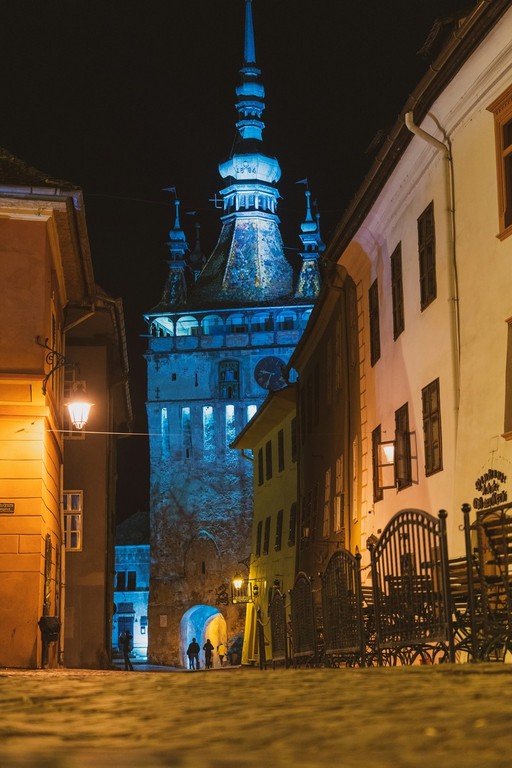
Located in Mureș County, in the heart of Transylvania, the citadel is one of the best-preserved inhabited medieval towns in Europe and one of Romania’s most important tourist destinations. Inscribed on the UNESCO World Heritage List in 1999, Sighișoara attracts hundreds of thousands of visitors each year, eager to explore its cobbled streets, defensive towers, and the stories of a community that has shaped the region’s history for more than eight centuries.
The origins of Sighișoara date back to the 12th century, when Transylvanian Saxon settlers, invited by the Kings of Hungary to defend the eastern borders of the kingdom and stimulate trade, established a strategic settlement along the Târnava Mare River. The town was first documented in 1280 under the Latin name Castrum Sex.
Over the following centuries, Sighișoara flourished thanks to its strategic position on important trade routes. Craft guilds became the driving force behind the local economy, with each guild responsible for maintaining and defending one of the citadel’s towers. This gave rise to one of the most impressive medieval defensive systems in Central Europe.
The fortifications, built between the 14th and 17th centuries, withstood numerous conflicts, fires, and historical transformations. Today, they offer an almost untouched image of an authentic medieval town.
The heart of the city is the Sighișoara Citadel, built on a hill overlooking the surrounding landscape. Its walls, stretching approximately 930 meters, are reinforced by towers and bastions that reflect the organization of the medieval guilds.
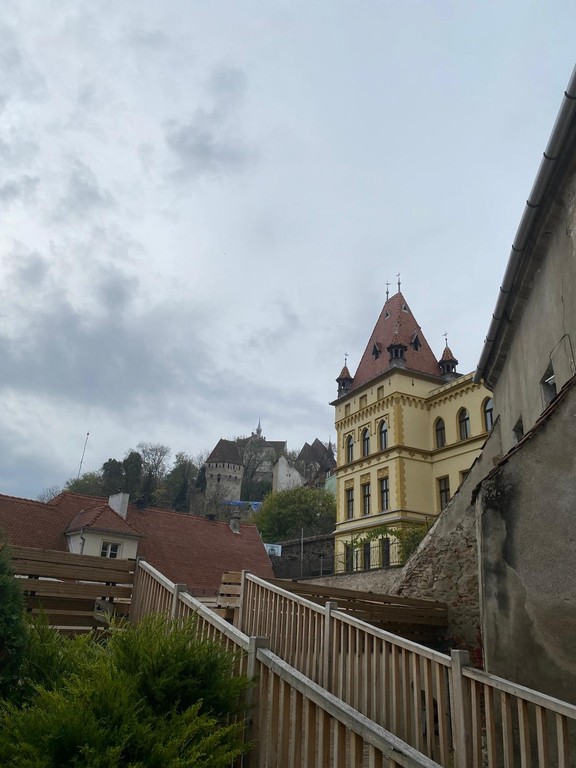
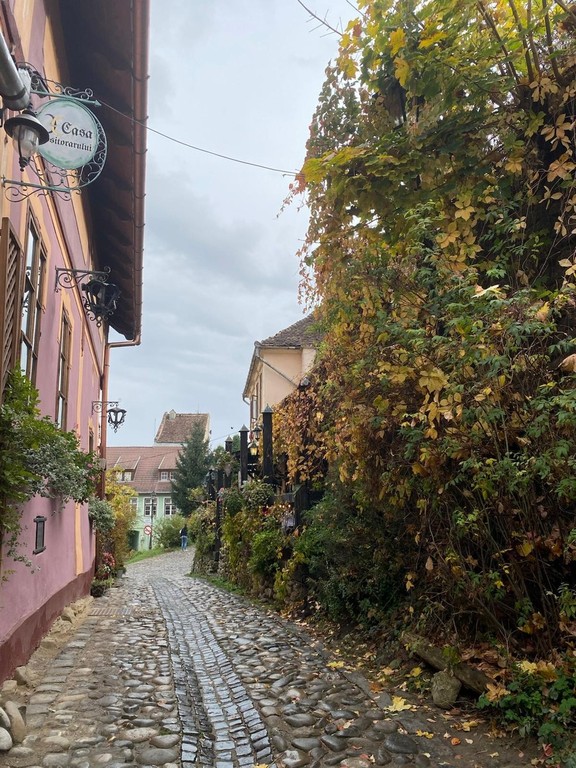
Unlike many European fortresses that have become open-air museums, Sighișoara remains a living town. Historic houses, restaurants, guesthouses, and artisan workshops continue to coexist within a medieval urban environment that has preserved its traditional functions.
This living character was one of the main reasons UNESCO designated the historic center as a World Heritage Site, recognizing it as an outstanding example of a preserved inhabited medieval fortified town.
The best-known landmark in Sighișoara is the Clock Tower, originally built in the 14th century and later expanded to nearly 64 meters in height. For centuries, it served as the seat of the town council and the main entrance to the citadel.
The tower is famous for its clock mechanism featuring moving figurines that mark the passage of time. The allegorical characters symbolize the days of the week, justice, peace, and other medieval ideals.
Today, the tower houses the History Museum, while its observation platform offers one of the most spectacular panoramic views over the colorful rooftops of the citadel and the Târnava Mare Valley.
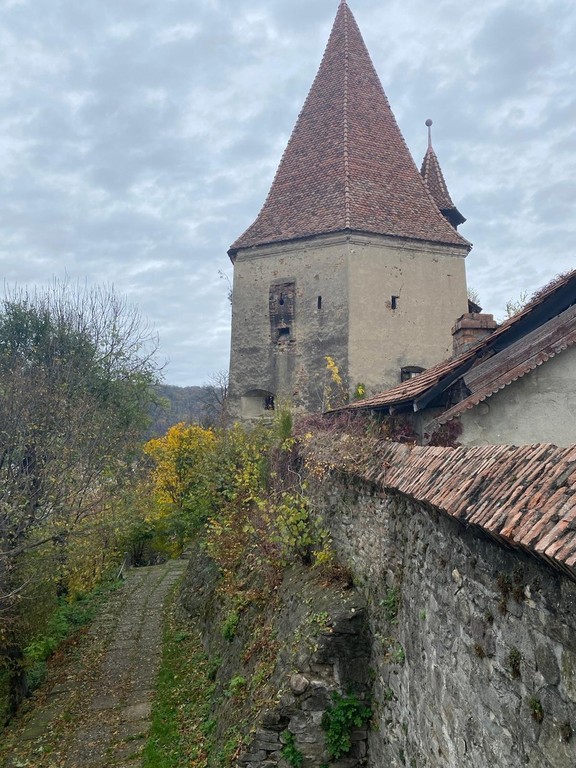
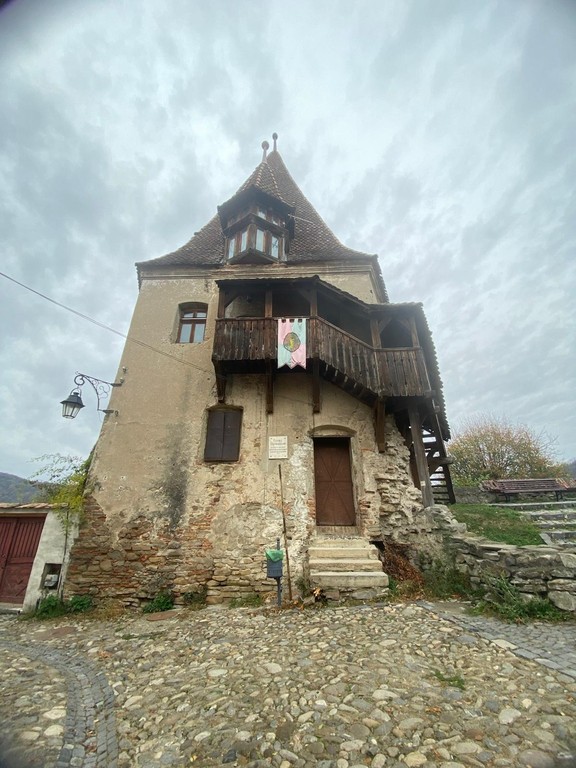
Of the original fourteen towers, nine have survived, each named after one of the city's medieval guilds:
- Clock Tower
- Tailors' Tower
- Blacksmiths' Tower
- Shoemakers' Tower
- Ropemakers' Tower
- Butchers' Tower
- Tinsmiths' Tower
- Tanners' Tower
- Furriers' Tower
These towers stand as a testament to the economic strength and organization of the medieval Saxon community.
One of the city's most photographed attractions is the Covered Staircase, built in 1642. Its nearly 175 roofed steps connected the citadel with the school located on the hill, allowing students and teachers to reach it regardless of the weather.
At the top stands the Church on the Hill, one of Transylvania’s most significant Gothic monuments. The church is renowned for its well-preserved medieval frescoes, richly decorated altar, and the historic cemetery that surrounds it.
Sighișoara is closely associated with Vlad the Impaler, the Wallachian ruler whose story later inspired the Dracula legend.
According to tradition, Vlad Dracul, the father of Vlad the Impaler and a member of the Order of the Dragon, lived in the citadel for a period, and Vlad the Impaler is believed to have been born here around 1431.
The building known today as Vlad Dracul's House is one of the city's most visited landmarks. It now hosts a restaurant and a space dedicated to this chapter of history. Although its association with Dracula has significantly increased Sighișoara’s international fame, the city's historical importance extends far beyond this legend.
Every summer, the citadel becomes the stage for the Sighișoara Medieval Festival, one of Romania’s largest historical and cultural events.
Knights, ladies, musicians, actors, and craftsmen transform the streets into a lively medieval setting. Parades, jousting tournaments, theatrical performances, concerts, and interactive workshops attract visitors from across Romania and abroad.
The festival plays an important role in promoting local heritage while preserving medieval traditions in an engaging and accessible way.
Romanian, Saxon, and Hungarian influences are all reflected in the local cuisine. Visitors can enjoy traditional dishes such as goulash, Transylvanian stews, smoked sausages, Saxon desserts, and a variety of regional pastries.
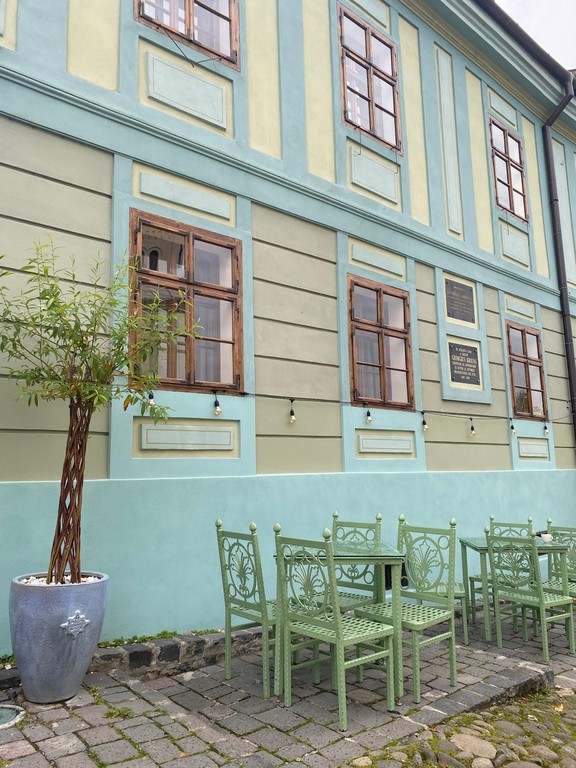
Many restaurants located within the historic center operate in centuries-old buildings, offering a unique dining experience enhanced by the medieval atmosphere.
Sighișoara also serves as an excellent base for exploring other remarkable destinations in the region, including:
- Biertan Fortified Church, a UNESCO World Heritage Site;
- Saschiz and its fortified church;
- Viscri, famous for its Saxon heritage and beautifully restored traditional houses;
- The Breite Ancient Oak Reserve;
- Numerous hiking and cycling trails throughout the Târnava Plateau.
The growing popularity of Sighișoara brings both economic opportunities and conservation challenges. Local authorities, restoration specialists, and property owners continue to work together to preserve the city's architectural heritage and maintain its authenticity.
Restoration projects, strict regulations regarding interventions on historic buildings, and the promotion of responsible tourism all play a vital role in protecting the outstanding universal value of the citadel.
Sighișoara is not only one of Europe’s most beautiful medieval citadels but also a place where history remains an integral part of everyday life. Its narrow streets, defensive towers, historic churches, and colorful houses create a unique atmosphere where visitors can experience the Middle Ages firsthand.
Whether admired for its UNESCO-listed heritage, its connection to Vlad the Impaler, its vibrant medieval festivals, or simply its authentic Transylvanian charm, Sighișoara remains one of Romania’s defining cultural and historical treasures.





 International editions: