


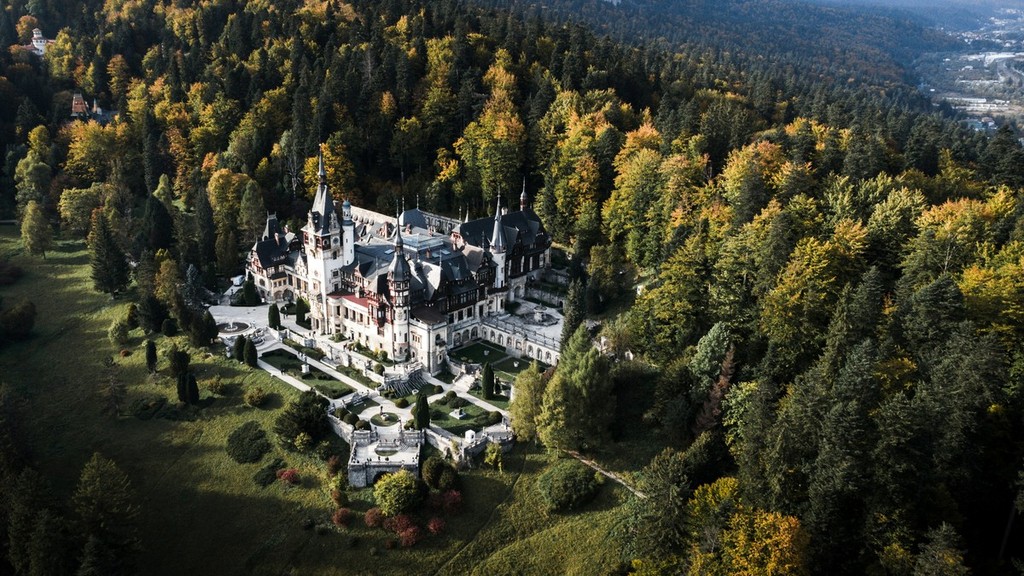
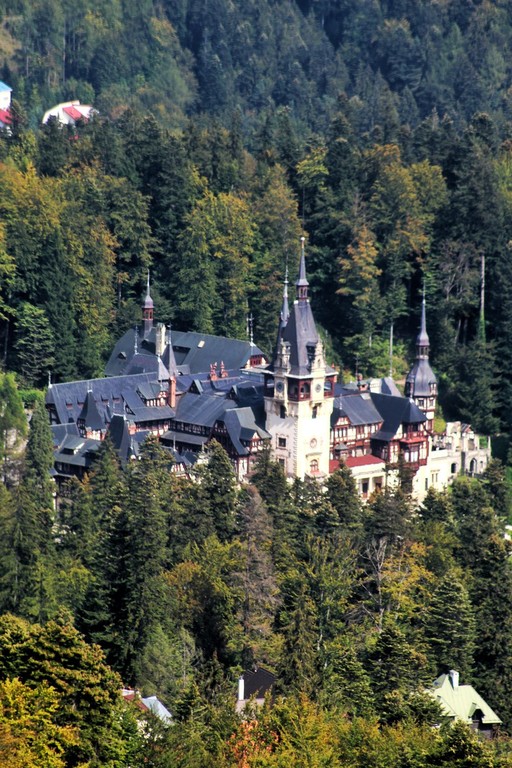
Located in the mountain resort town of Sinaia, at the foot of the Bucegi Mountains and surrounded by a landscape of exceptional natural beauty, Peleș Castle stands as a true emblem of Romania’s cultural heritage and a symbol of the modernization era that transformed the country during the second half of the nineteenth century. Through its spectacular architecture, its remarkable art collections, and the important role it played in the nation’s history, Peleș Castle continues to captivate millions of visitors and remains one of Romania’s most renowned tourist attractions.
The story of Peleș Castle began with the accession to the Romanian throne of King Carol I, the first king of Romania and one of the most influential rulers in the country's history. Fascinated by the breathtaking scenery of the Prahova Valley, Carol I decided to build a royal residence in Sinaia that would rival the great palaces and castles of Europe. Construction began in 1873 under the supervision of distinguished architects of the time, including Wilhelm Doderer and Johannes Schultz. The project required enormous financial and technical efforts, as the chosen site presented significant challenges and demanded extensive preparation work. Thousands of workers, craftsmen, and artists from various European countries participated in the construction, contributing to the creation of an extraordinary architectural masterpiece.
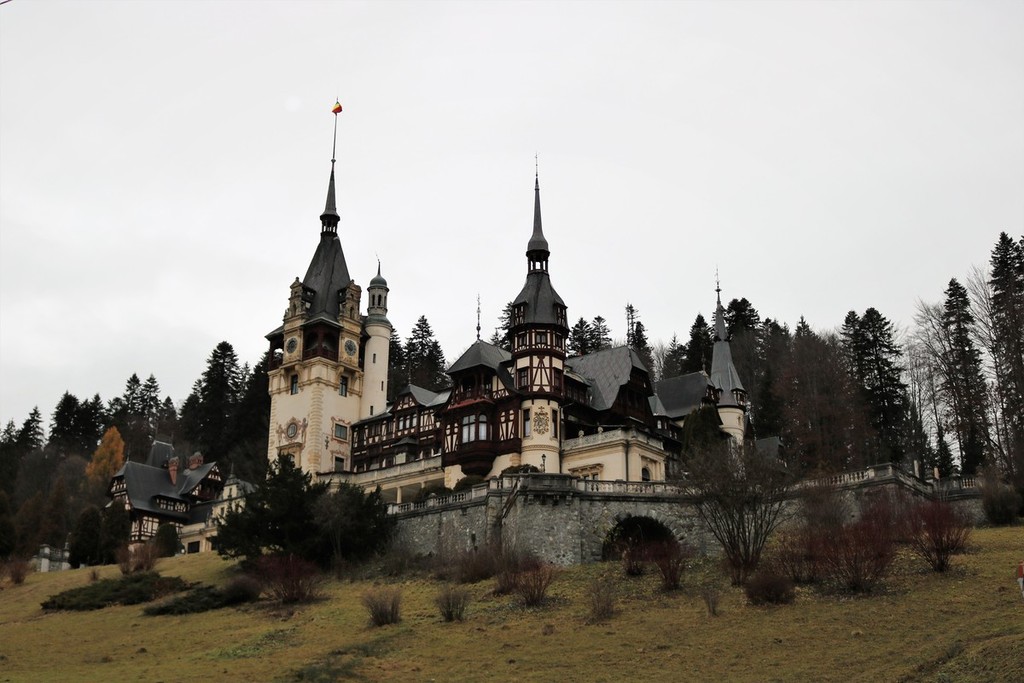
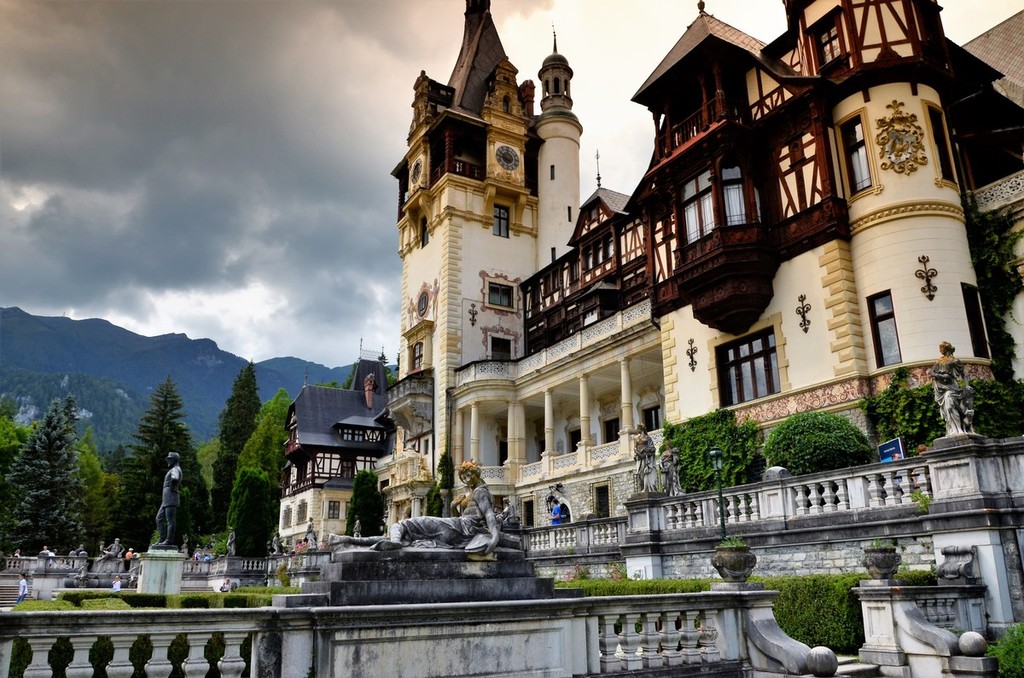
Officially inaugurated in 1883, Peleș Castle became the summer residence of the Romanian royal family. However, expansion and decoration works continued for many years after its inauguration, as King Carol I insisted that every room be designed and furnished with meticulous attention to detail. The result was an impressive architectural complex that harmoniously combines influences from various European styles. The dominant style is German Neo-Renaissance, yet Gothic, Baroque, Rococo, and Italian elements can also be found throughout the building and its decorations. This unique blend of influences gives the castle an elegant and distinctive appearance, transforming it into a true work of art.
One of the features that distinguishes Peleș Castle from many other European castles is its remarkably advanced technological infrastructure for the period in which it was built. By the end of the nineteenth century, the castle was regarded as one of the most modern royal residences in the world. It had its own electricity supply generated by a power plant built specifically for the castle, making it one of the first electrified buildings in Europe. In addition, the castle was equipped with central heating, running water, a modern ventilation system, an elevator, and other facilities considered revolutionary at the time. The movable glass roof of the Hall of Honor represented a remarkable engineering achievement and reflected King Carol I’s strong interest in technological progress and innovation.
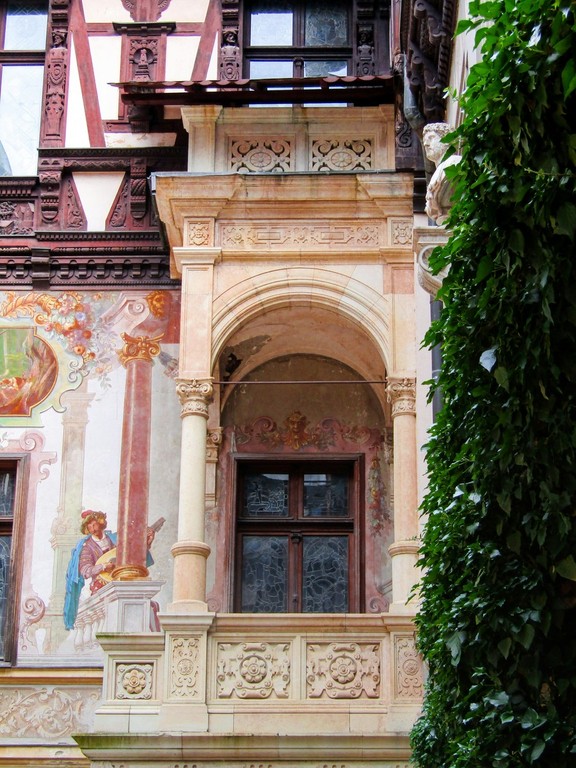
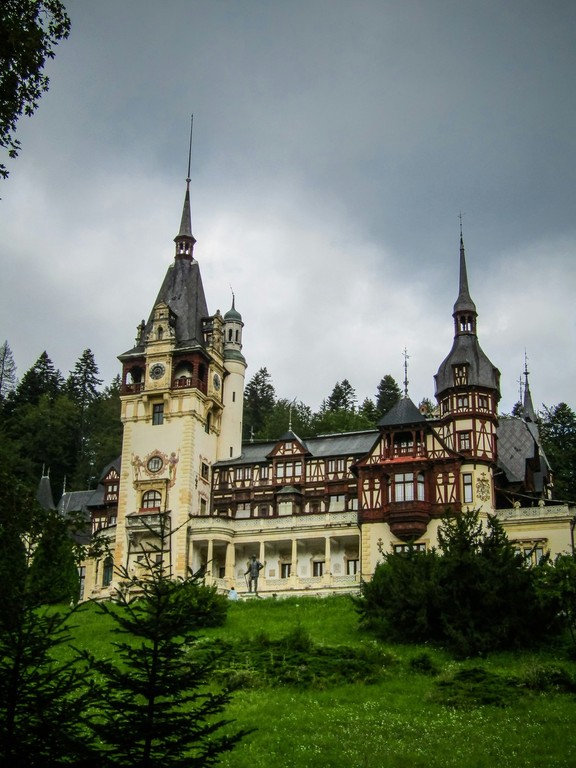
The exterior of the castle impresses visitors with its elegant façades, soaring towers, and richly sculpted decorative details. The ornamental elements crafted from wood, stone, and metal display exceptional artistry and reflect the refined aesthetic tastes of the era. The castle is surrounded by magnificent gardens adorned with fountains, terraces, pathways, and Renaissance-style statues. The entire complex blends seamlessly into the mountain landscape, offering spectacular views of the surrounding forests and peaks.
The interior of Peleș Castle is equally impressive. The building contains more than 160 rooms, each decorated in a distinctive style and designed around a specific theme. Among the most spectacular spaces is the Hall of Honor, considered the symbolic center of the castle. It features walnut wood carvings, colorful stained-glass windows, and ornamental details of exceptional artistic value. The light filtering through the stained glass creates a unique atmosphere, transforming the hall into a space of rare elegance.
Another famous room is the Armory Hall, which houses one of the most significant collections of weapons and armor in Europe. Thousands of exhibits from different historical periods and regions of the world can be admired here. The collection includes swords, spears, daggers, bows, medieval armor, and firearms, each possessing considerable historical and artistic significance. The Royal Library is another remarkable attraction. It contains numerous rare volumes and impresses visitors with its elegant furnishings and a secret door that provided discreet access to other areas of the castle.
Among the most admired rooms are the Florentine Room, inspired by the Italian Renaissance, the Moorish Room decorated with Oriental motifs, the Turkish Room, the Theater Hall, and the Music Room. Each of these spaces reflects the royal family's passion for culture, art, and diversity. The materials used in the decoration were brought from different parts of Europe and include rare woods, marble, crystal, silk, and precious metals.
In addition to its architectural value, Peleș Castle is renowned for its extraordinary art collections. These include paintings by famous European artists, sculptures, decorative objects, porcelain pieces, Oriental carpets, stained-glass works, and period furniture. Many of these items were personally acquired by King Carol I and members of the royal family during their travels to Europe's major capitals. As a result, the castle became not only a royal residence but also an important cultural and artistic center.
Near Peleș Castle stands Pelișor Castle, built between 1899 and 1902 for the future King Ferdinand I and Queen Marie. Although smaller than Peleș, Pelișor impresses visitors with its Art Nouveau style and elegant interiors. It is home to the famous Golden Room, one of Queen Marie’s most representative artistic creations. Together, the two castles form a royal complex of exceptional historical and cultural value.
Following the establishment of the communist regime in Romania in 1947, Peleș Castle was nationalized and transferred to state ownership. The royal family was forced to leave the country, and the castle went through various administrative phases. Public access was restricted for a period, but the monument was eventually transformed into a museum. After the fall of communism, Peleș Castle regained its status as a national symbol and became one of Romania’s most important cultural and tourist landmarks.
Today, Peleș Castle attracts hundreds of thousands of Romanian and international visitors each year. Tourists are impressed not only by the beauty of the building but also by the elegant atmosphere that evokes the golden age of the Romanian monarchy. The castle hosts exhibitions, cultural events, concerts, and educational activities, contributing to the promotion of national heritage and the preservation of Romania’s history.
The significance of Peleș Castle extends far beyond Romania’s borders. It is internationally recognized as one of the finest examples of historic European architecture and is frequently included among the most beautiful castles in the world. Its elegance, artistic value, and historical importance make it a unique monument that illustrates Romania’s aspirations for modernization and development at the end of the nineteenth century.
In conclusion, Peleș Castle is far more than a historical building. It is the expression of an era characterized by progress, culture, and refinement, standing as a testament to the contribution of the monarchy to the development of modern Romania. Through its magnificent architecture, rich collections, and important role in national history, Peleș Castle remains one of the most precious treasures of Romanian heritage and a symbol of Romania’s cultural identity.




 International editions: