


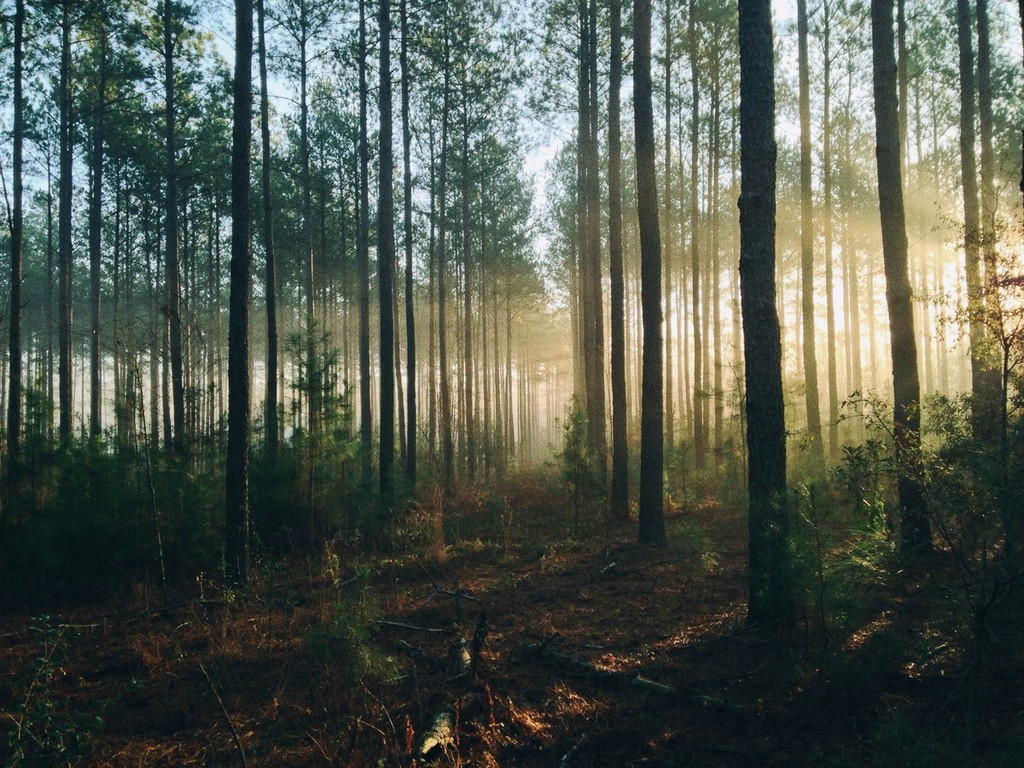
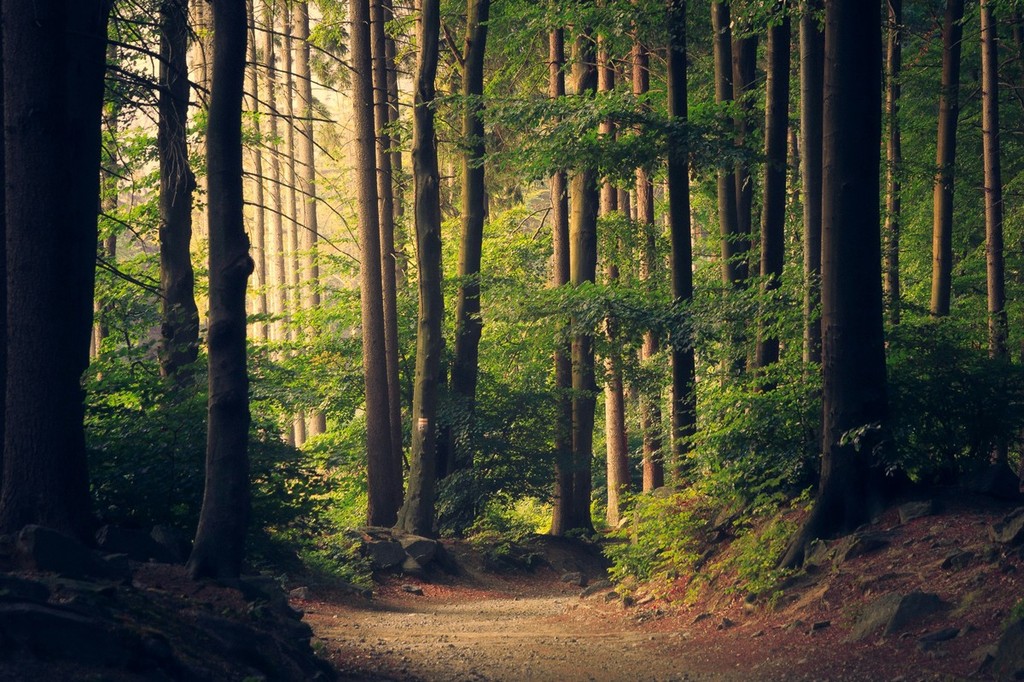
Where the noise of the city fades away and asphalt gives way to shaded trails, Cernica Forest stretches across the landscape—one of the most valuable and least known natural areas surrounding Romania’s capital.
For many residents of Bucharest, Cernica is associated with the Cernica Monastery, its recreational lakes, or its cycling routes. In reality, the forest is much more than that: a surviving fragment of the ancient Vlăsia Forests, a refuge for rare species, and one of the most important protected natural areas in southern Romania.
Several centuries ago, much of the Romanian Plain was covered by the vast Vlăsia Forests. These woodlands formed a true forest belt around Bucharest and created such a dense natural barrier that foreign armies often avoided crossing them.
Today, only fragments of that immense forest remain. Cernica Forest is one of the most significant of these remnants, preserving the characteristics of the lowland forest ecosystems that once dominated the Bucharest–Ilfov region.
Cernica Forest is located east of Bucharest, within the territories of Cernica, Pantelimon, and Brănești. It is closely connected to the Cernica lake system and the Pasărea River valley, together forming an exceptionally valuable natural complex.
The forest is easily accessible from Bucharest, both by car and by bicycle. For this reason, it has become one of the capital's most popular weekend destinations.
The significance of the forest extends far beyond the local level. The area is part of the European Natura 2000 network under the designation “Lake and Forest of Cernica,” protected both for its habitats and for the rare species it supports. It was granted Natura 2000 status in 2011.
The protected site covers more than 3,200 hectares, including the forest, lakes, and associated wetlands.
At first glance, Cernica may appear to be an ordinary lowland forest. In reality, it shelters an impressive diversity of life.
Among the protected species found here are:
- The European otter (Lutra lutra);
- The European pond turtle (Emys orbicularis);
- The great crested newt (Triturus cristatus);
- The European fire-bellied toad (Bombina bombina);
- Several rare fish species characteristic of wetland habitats.
The lakes and marshes surrounding the forest provide excellent conditions for aquatic and migratory birds, which is why the area also benefits from special bird protection status.
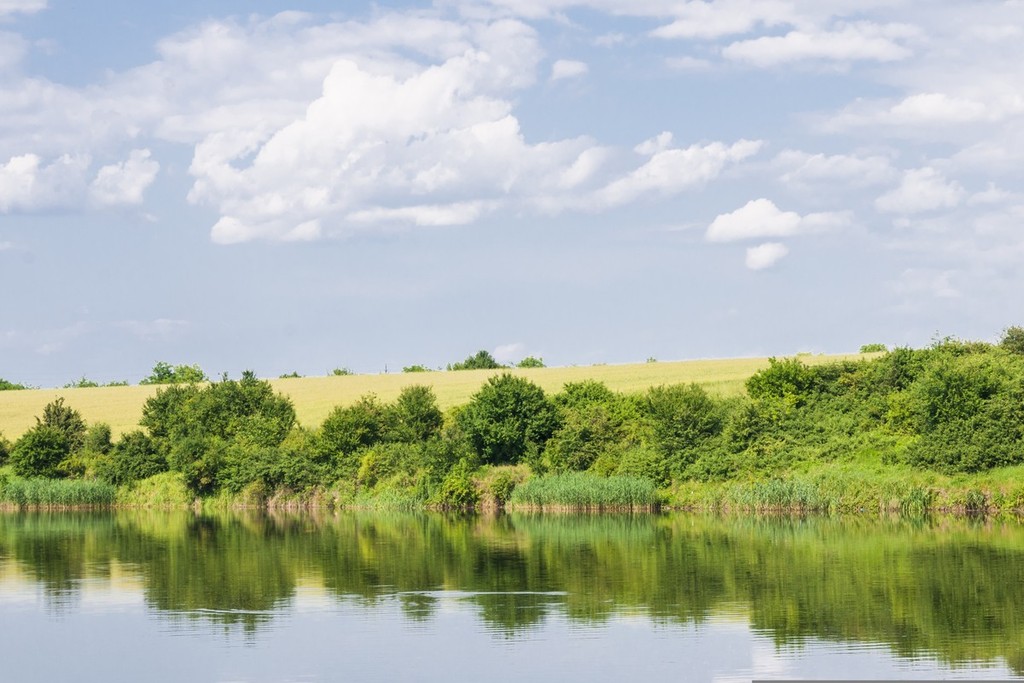
Cernica cannot be understood separately from its lakes. Water and forest form a complex ecosystem in which each element supports the other.
Protected habitats include:
- Natural eutrophic lakes with rich aquatic vegetation;
- Oak and hornbeam forests typical of the Dacian region;
- Pannonian-Balkan oak forests.
This combination of water, woodland, and wetlands is becoming increasingly rare near Europe’s major cities.
Beyond its ecological value, Cernica is also one of the most accessible outdoor recreation destinations around Bucharest.
Its forest roads and trails are ideal for:
- Leisurely walks;
- Mountain biking;
- Trail running;
- Birdwatching;
- Nature and landscape photography.
Over the years, the area has hosted cycling competitions and sporting events that take advantage of its gentle terrain and extensive network of forest trails.
At the edge of the forest stands one of Romania’s most important monastic settlements: Cernica Monastery.
Founded in the seventeenth century and closely associated with Saint Calinic of Cernica, the monastery is surrounded by water and vegetation, while the landscape plays a crucial role in its unique charm.
Many visitors combine a walk through the forest with a stop at the monastery, turning their excursion into an experience that blends nature with cultural heritage.
Like many natural areas located near a major city, Cernica Forest faces significant pressures:
- Urban expansion;
- Road infrastructure development;
- Habitat fragmentation;
- Illegal waste dumping;
- Increasing recreational pressure.
In recent years, infrastructure projects around Bucharest have sparked debates about biodiversity conservation and the preservation of the area's ecological connectivity.
In a Bucharest increasingly burdened by traffic congestion, concrete development, and rising summer temperatures, Cernica Forest represents something rare: a place where nature still functions in a state remarkably close to its original form.
It is a forest that preserves the memory of the ancient Vlăsia woodlands, provides refuge for protected species, and at the same time allows residents of the capital to escape the pace of urban life for a few hours.
Perhaps its greatest asset is precisely this increasingly rare combination: authentic wilderness located only a few kilometers from one of Eastern Europe’s largest cities.




 International editions: