


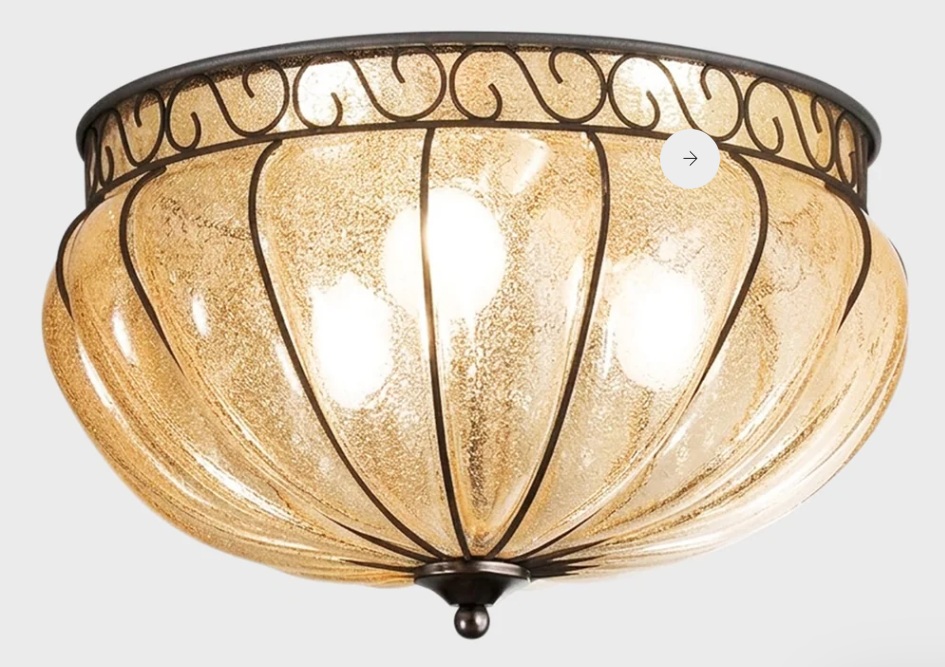
Their appeal comes not only from illumination, but from the way color, transparency, craftsmanship, and scale can reshape the atmosphere of an entire room.
Lighting That Defines the Space Around It
A conventional ceiling fixture often disappears into the background once it has served its practical purpose. A blown glass chandelier behaves differently: it becomes a visual center of gravity, drawing attention upward and encouraging the eye to explore the full height and proportions of the room. Curved arms, suspended drops, floral details, and reflective surfaces create movement even when the object itself is still. As daylight changes, the glass may appear crisp and translucent in the morning, richly colored in the afternoon, and dramatically luminous after sunset.
This transformative quality explains why blown glass chandeliers are no longer reserved for palaces, grand hotels, or formal dining halls. They can bring identity to contemporary apartments, converted townhouses, boutique interiors, and restrained modern homes. The most convincing arrangements rely on intentional contrast rather than strict historical imitation. An elaborate chandelier above a simple stone table, for example, can look more balanced than the same piece surrounded by excessively ornate furniture. The room gives the glass space to speak, while the chandelier adds warmth and personality to otherwise minimal architecture.
Craftsmanship Visible in Every Detail
The fascination of artistic glass lies partly in its subtle irregularity. Hand-shaped components do not always possess the absolute uniformity associated with industrial production, and that difference can give the finished composition a distinctive rhythm. Slight variations in curves, thickness, bubbles, and color distribution reveal the influence of heat, gravity, timing, and human judgment. Rather than appearing unfinished, these details often communicate the presence of the maker, connecting the object to a tradition in which technical discipline and creative interpretation remain inseparable.
Murano is particularly associated with this approach to decorative glass, having developed a recognizable language of elegant arms, botanical motifs, layered colors, and intricate ornamental elements. Collections of blown glass chandeliers show how broad that language can be, ranging from clear and delicate compositions to bold pieces in saturated tones. This variety matters because the character of a chandelier depends on more than its silhouette. Glass color, metal finishes, the number of lights, and the density of decoration all influence whether it feels airy, theatrical, traditional, or unexpectedly modern.
Choosing Proportion, Color, and Placement
Scale is one of the most important considerations when introducing a statement chandelier. A design that is too small may seem isolated above a large table, while an oversized piece can interrupt sightlines or make a modest room feel crowded. Ceiling height, room width, furniture placement, and viewing distance need to be considered together. In open-plan interiors, the chandelier can also establish a clear zone for dining or conversation without the need for physical partitions. Its outline effectively creates an invisible architectural boundary within the larger space.
Color requires similar care. Clear glass offers visual lightness and adapts easily to changing furnishings, while amber, smoke, blue, green, or red glass can establish a stronger emotional tone. A useful approach is to relate the chandelier to one or two existing materials rather than matching every color in the room. Warm glass may echo timber or brass, while cooler shades can complement marble, steel, or pale walls. The objective is not perfect coordination, but a coherent exchange between the fixture and its surroundings.
A Decorative Object Designed to Endure
The enduring attraction of blown glass chandeliers comes from their ability to feel both rooted in tradition and open to reinterpretation. They can introduce history without making an interior appear like a museum, and they can provide ornament without sacrificing clarity or function. When proportion, placement, and color are handled thoughtfully, the chandelier becomes more than an accessory added at the end of a decorating project. It acts as a lasting architectural gesture, shaping how the room is seen, remembered, and experienced.
Informazioni fornite in modo indipendente da un nostro partner nell’ambito di un accordo commerciale tra le parti. Contenuti riservati a un pubblico maggiorenne.






 International editions: