


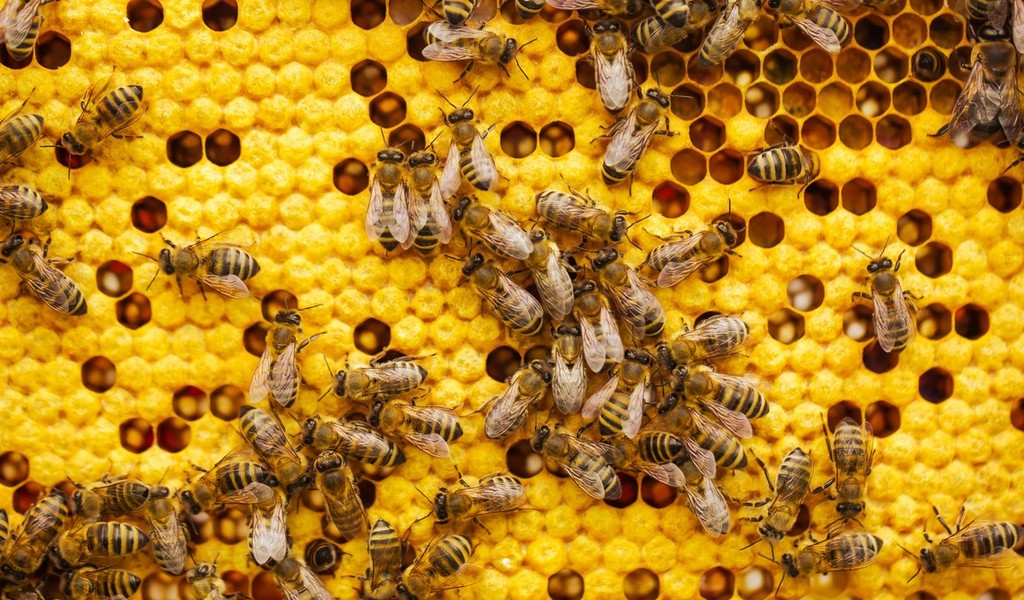
Bees gradually leave their hives and set off in search of flowers, while their gentle buzzing fills the air. For a beekeeper, this is the beginning of another day of work.
Far from the noise of cities, life in an apiary follows a rhythm dictated by nature. The weather, the seasons, the flowering plants and the behavior of the bees all influence the beekeeper’s daily routine. For someone who cares for hives, no two days are exactly the same.
A beekeeper often starts the day by carefully observing the apiary. Before opening the hives, they look at the activity around the entrances. How many bees are leaving? How many are returning? Does their flight appear normal? Is there any unusual activity? These small details can provide important clues about the condition of a colony.
After this initial observation, the actual work begins. Wearing appropriate protective clothing, the beekeeper can inspect the hives, checking the frames, food reserves and development of the colony. Every intervention needs to be carried out carefully, disturbing the bees as little as possible. In this world, patience is one of the most important qualities.
Unlike many other professions, beekeeping does not follow the same routine throughout the year. Spring brings the rapid development of colonies and the beginning of the foraging season. Summer can be the busiest period, when bees take advantage of flowering plants and the hives require regular attention. In autumn, the focus changes as the beekeeper begins preparing the colonies for the colder months.
For a visitor, one of the most fascinating things to watch is the bees’ flight. Some return to the hive carrying nectar and pollen after visiting flowers in the surrounding area. For the beekeeper, the flowering of plants is an important part of the season. Acacia, linden, sunflower, lavender and many other plants can provide sources of nectar and pollen.
Depending on the plants available and their flowering periods, honey can have different aromas, colors and characteristics. This is why beekeeping is closely connected to the landscape surrounding the apiary and to the natural cycles of vegetation.
For those unfamiliar with beekeeping, an apiary may be associated mainly with jars of honey. In reality, harvesting honey is only one part of the work. Beekeepers constantly monitor the condition of their colonies, observe their development and remain alert to potential problems. They need to understand bee behavior and recognize when intervention is necessary and when it is better to allow the colony to continue its natural activity.
When the time is right for harvesting, the frames are removed from the hives and taken for extraction. The honeycomb is uncapped, and the honey is extracted using a honey extractor. After filtering, the honey is prepared for storage and eventually reaches consumers.
For someone visiting an apiary, this can be one of the most interesting parts of the experience. A jar of honey takes on a different meaning when you understand the journey behind it and the work required to produce it.
A visit to an apiary can be much more than a simple tourist activity. It is an opportunity to discover a world in which nature sets the pace and people learn to work with it rather than against it. In some rural areas, visitors can learn about the lives of bees, the work of beekeepers and the process through which honey is produced.
These experiences can be particularly interesting for families, children and anyone looking for authentic activities away from the usual tourist routes. Instead of a hurried visit, spending time near the hives offers an opportunity to observe nature and discover a lesser-known part of rural life.
As daylight begins to fade, activity in the apiary gradually becomes quieter. The bees return to their hives, and the beekeeper slowly brings the working day to an end. Yet the work is not simply about checking hives or harvesting honey. It is about observing nature, understanding its changes and caring for bee colonies throughout the entire year.
Beekeeping is, above all, a lesson in patience and balance. And for a traveler, discovering this world can transform an ordinary jar of honey into a story about flowers, bees, people and places.





 International editions: