


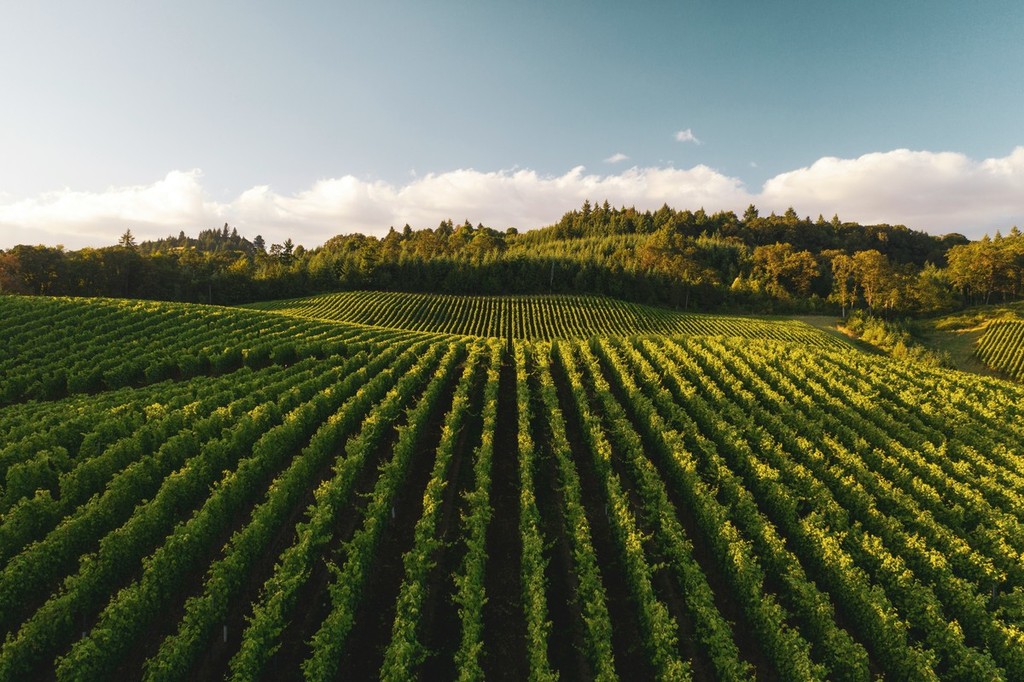
In northwestern Romania, in Satu Mare County, lies a wine-growing region that remains relatively unknown to international tourists, yet is rich in traditions, vineyards and small wineries. Here, winemaking represents an important part of the local cultural identity, passed down from generation to generation.
The region’s winemaking heritage is also recognised through the protected geographical indications “Dealurile Sătmarului” (Sătmar Hills) and “Dealurile Crișanei” (Crișana Hills), which regulate the geographical origin of the grapes and the characteristics of wines produced in their respective areas.
To promote local winemaking traditions and the region’s tourism potential, local authorities have established three itineraries that make up the Satu Mare Wine Route: Halmeu Vii – Turulung Vii – Orașu Nou Vii; Carei – Pir; and Holod – Dobra – Beltiug – Rătești – Ardud – Viile Satu Mare.
Halmeu Vii – Turulung Vii – Orașu Nou Vii
The first itinerary winds through vineyard-covered hills and picturesque natural landscapes, close to Romania’s borders with Hungary and Ukraine.
Among the main attractions are the Tur River Nature Reserve, Piatra Cerbului, the Perényi Castle in Turulung, the historic churches of the region, the Vécsey Castle in Orașu Nou, Mujdeni Lake and the Portărița Monastery.
The route also offers visitors the opportunity to meet small local producers, discover traditional winemaking practices and arrange wine tastings at local wineries.
Carei – Pir
The second itinerary combines the discovery of local wines with historical heritage and thermal tourism.
One of its main attractions is the Károlyi Castle in Carei, whose origins date back to the 15th century and which acquired its present architectural appearance towards the end of the 19th century. Today, the castle houses museum collections and is surrounded by an extensive park.
Nearby lies Tășnad, a destination known for its thermal waters, ideal for a relaxing break. Around Pir, visitors can also discover the local religious heritage, the historic Ibrányi Manor and the surrounding lakes.
Holod – Dobra – Beltiug – Rătești – Ardud – Viile Satu Mare
The third itinerary passes through some of the most representative wine-growing localities in Satu Mare County. Particularly noteworthy is Beltiug, known for its vineyards and distinctive traditional wine cellars, which bear witness to the region’s long history of viticulture.
Along the route, visitors can combine wine tastings with the discovery of architectural and cultural landmarks, including Ardud Fortress, historic churches and the rural landscapes that characterise this part of Romania.
The Satu Mare Wine Route offers an opportunity to discover a lesser-known side of Romania through a journey that brings together wine, gastronomy, nature, history and local traditions. It is an ideal destination for travellers seeking authentic experiences and direct encounters with local wine producers.
Before setting off, visitors are advised to contact the wineries directly to check the availability of guided tours and wine tastings.




 International editions: