


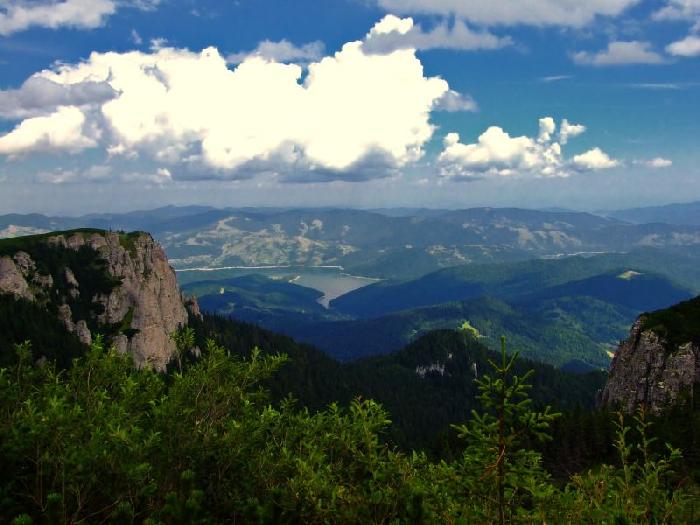
Nowadays, Moldavia is one of the historical regions of Romania, located in the northeast. It corresponds to part of the former Principality of Moldavia, which historically also included territories that are now part of the Republic of Moldova and Ukraine (Bessarabia and Bukovina).
Throughout history, Moldavia was invaded by various peoples, including Slavs, Cumans, and Tatars. Under the leadership of rulers such as Ștefan cel Mare, the principality managed to preserve a significant degree of autonomy, despite becoming a tributary state of the Ottoman Empire.
In 1859, the Principality of Moldavia united with Wallachia to form the United Principalities, the foundation of the modern Romanian state, officially named Romania in 1862 under Alexandru Ioan Cuza. In 1918, Bessarabia and Bukovina united with Romania; however, parts of these regions were later annexed by the Soviet Union in 1940.
Iași is the largest and most important city of the Romanian region of Moldavia, serving as a major cultural and economic center and home to some of the first universities in Romania.
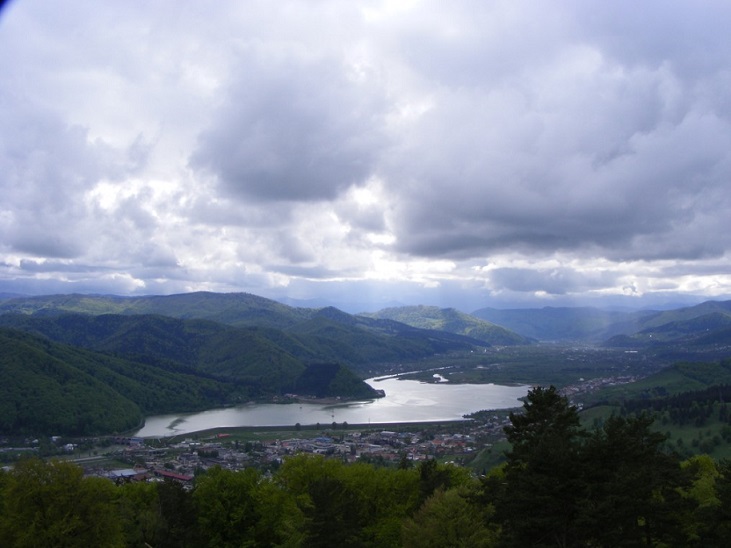
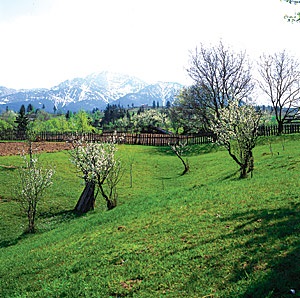
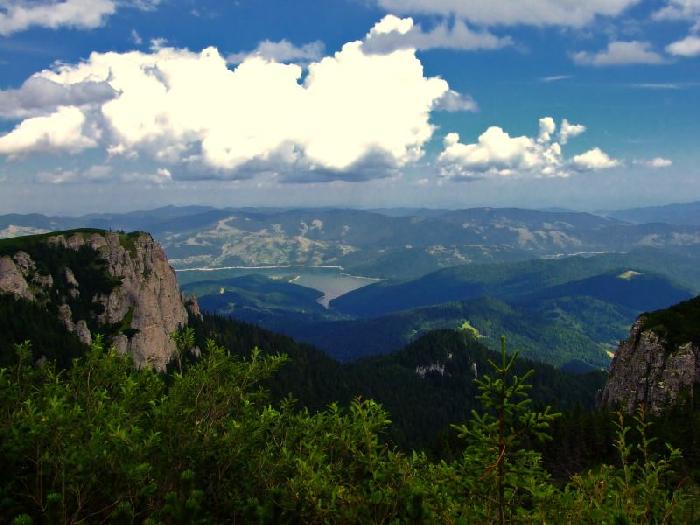
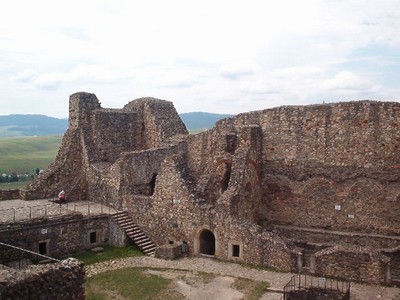
Moldavia offers a wide variety of tourist attractions: monasteries, fortresses, picturesque rural areas, hiking trails, and natural landscapes that remain largely untouched by modern development.
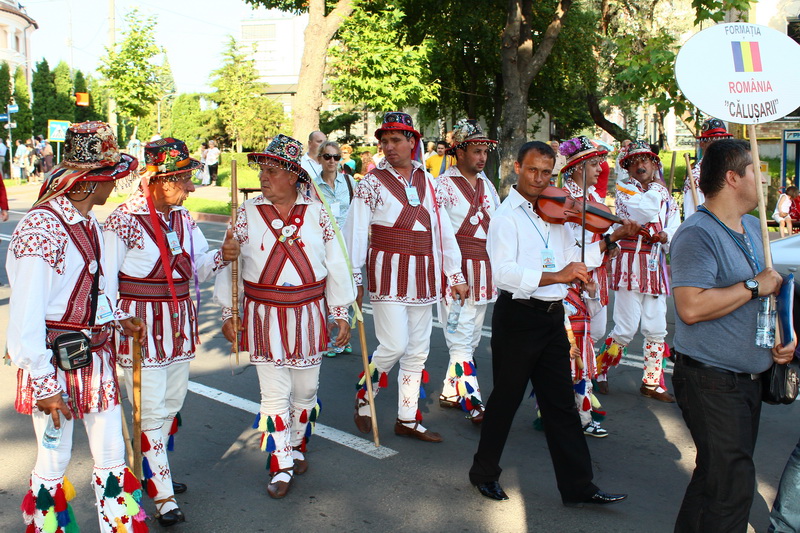
Its charm lies in its ancient traditions and the hospitality of its people. Agritourism is well developed, and visitors can find comfortable accommodation in numerous guesthouses throughout the region.
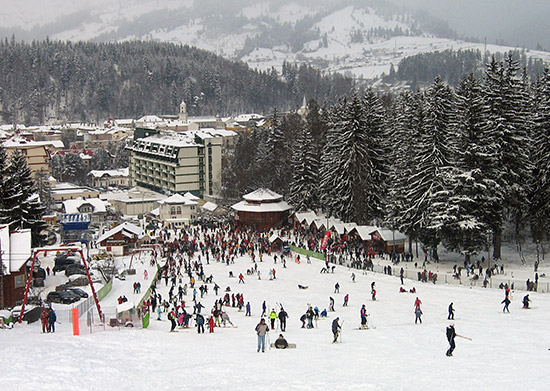
Among the best-known mountain resorts are Slănic Moldova, Durău, and Vatra Dornei, along with smaller destinations such as Gura Humorului, Târgu Ocna, and Lepșa.
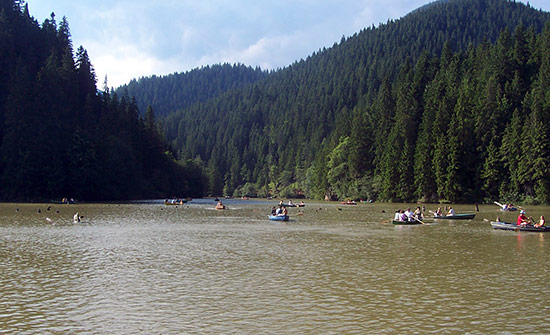
At the border between Moldavia and Transylvania lie the Bicaz Gorges and Red Lake, two of the most spectacular natural attractions in Romania.
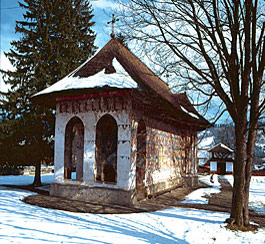
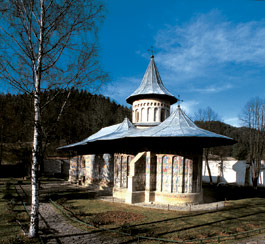
For travelers seeking peace, nature, and spirituality, the monasteries of Moldavia are an ideal destination, offering simple but delicious traditional cuisine and an authentic experience of monastic life.




 International editions: