


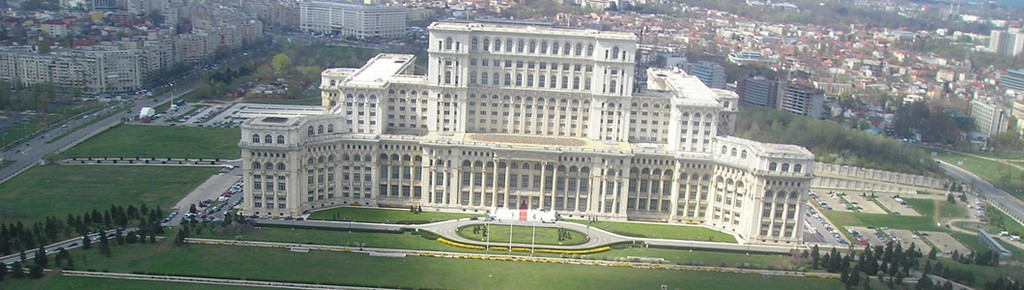
The fact that Romania is a beautiful country is well known to its citizens, and this recognition has gradually begun to extend beyond its borders. After the fall of communism, however, Romania did not enjoy a positive image across Europe and the world, with orphanages and stray dogs often forming the core of its negative “branding” as a newly democratic state.
Although accession to European and Euro-Atlantic structures improved the country’s reputation, certain international narratives have continued to portray Romania unfavorably, focusing on issues such as pickpocketing and the Roma community, which were often perceived as problematic in other European countries.
Nevertheless, beyond these sometimes distorted representations, Romania has managed to build a parallel, positive image centered on nature, hospitality, history, and modernization. While the country’s ecological potential has been successfully promoted through eco-tourism and agro-tourism, urban areas and modern Romania have remained somewhat underexplored, despite a noticeable increase in urban tourism.
In more contemporary terms, this type of tourism is often referred to as “city breaks,” a rapidly growing trend in Europe, largely driven by the expansion of low-cost airlines. These affordable travel opportunities have not only allowed Romanians to explore Europe, but have also introduced Romania to European tourists, whose reactions have generally been very positive.
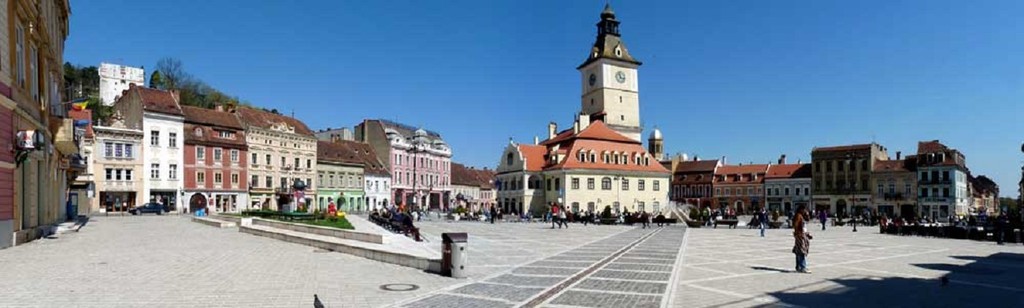
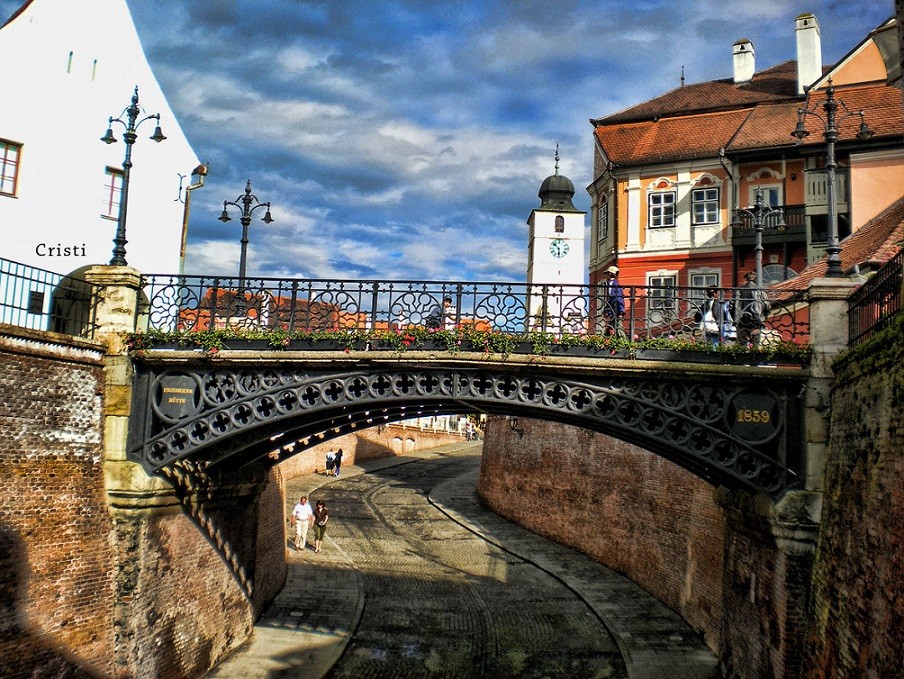
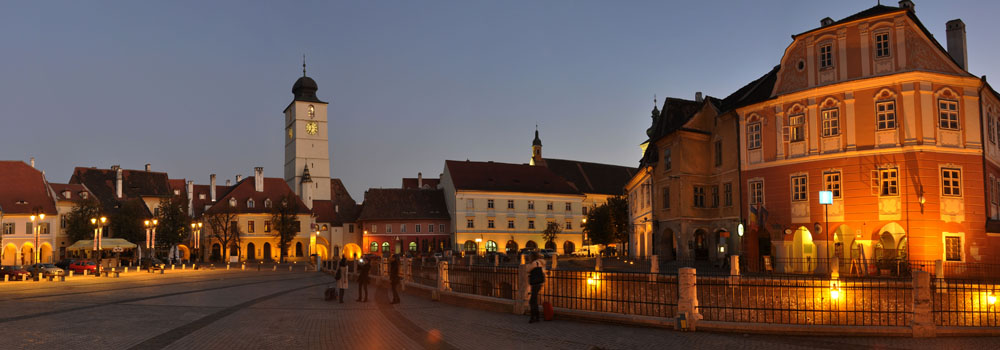
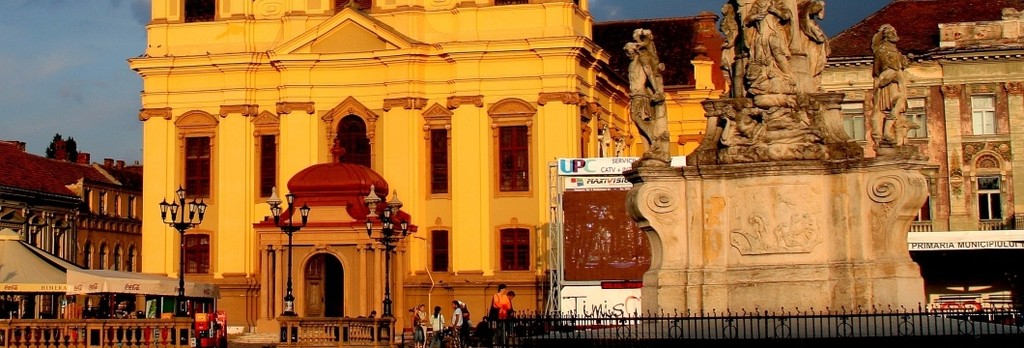
Cities such as Bucharest, Cluj-Napoca, Sibiu (in particular), Timișoara, Brașov, and Constanța are increasingly attracting significant numbers of foreign visitors. Many are pleasantly surprised to discover a Romania defined by parks, museums, public squares, and historical architecture, rather than the negative stereotypes often associated with it.
However, despite the growing number of tourists choosing Romania for city breaks, inadequate infrastructure remains a major obstacle, discouraging repeat visits and longer stays. For instance, Brașov—a highly picturesque city—still lacks an operational airport, and many tourist attractions located within reasonable distances of major cities are difficult to access. Examples include the Prahova Valley ski resorts (typically accessed via Bucharest), the Danube Delta (usually reached via Constanța or Tulcea), and, more broadly, the insufficient highway network, which can turn a relatively short journey of 80 kilometers into a trip lasting several hours.
Therefore, Romania would benefit greatly from investing not only in the development of its cities but also in the infrastructure networks that connect them. As Kenny Jacobs, former Chief Marketing Officer of Ryanair, pointed out, unlike countries such as the Czech Republic or Hungary, Romania offers both mountains and a coastline, yet receives fewer foreign tourists. Improving accessibility would enable more visitors to experience and appreciate the country’s full potential.
https://www.romaniatravel.com/category/city-break/
https://www.agerpres.ro/login





 International editions: