


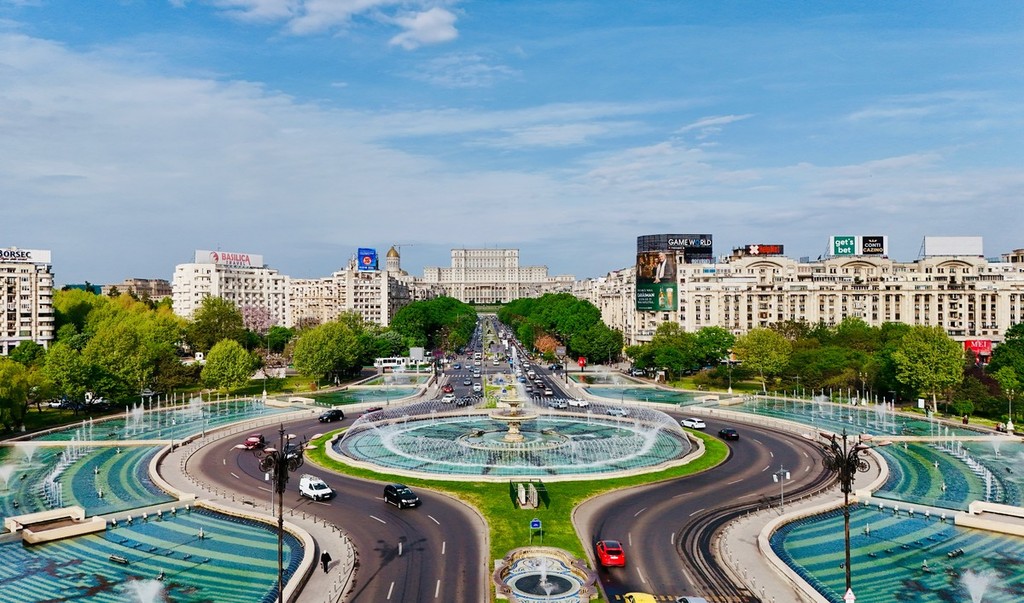
Often nicknamed “Little Paris” thanks to its wide boulevards, elegant buildings, and cosmopolitan atmosphere from the interwar period, Bucharest offers visitors a surprisingly diverse experience where history, culture, gastronomy, and contemporary urban life meet at every corner.
What makes Bucharest truly special is not only the beauty of its tourist attractions, but above all the constant contrast between old and new. In the same day, you can admire a centuries-old church, walk along boulevards dominated by monumental communist-era architecture, and end the evening in a modern café or a sophisticated restaurant on Calea Victoriei. It is precisely this combination that gives the Romanian capital its distinctive, authentic, and memorable character.
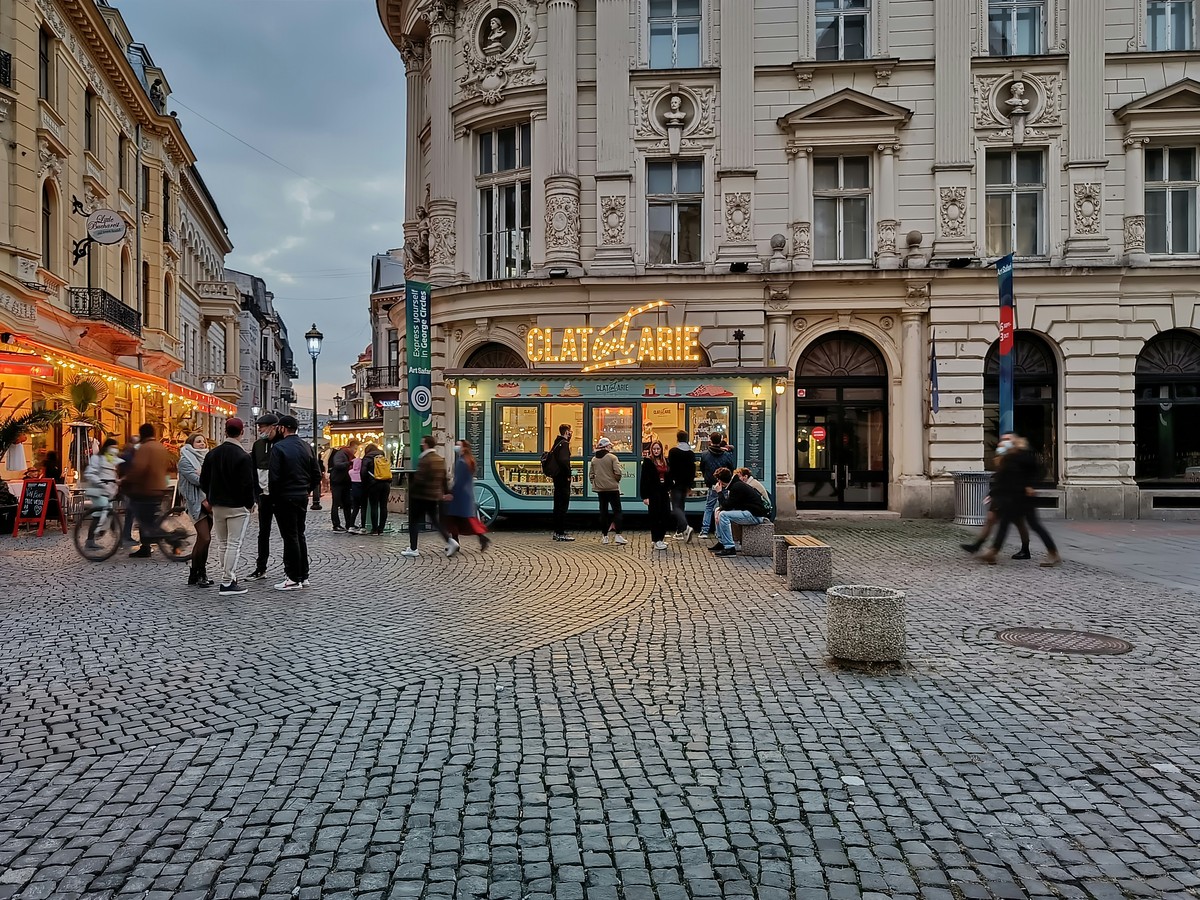
Centrul Vechi – Where History Meets the City’s Vibrant Atmosphere
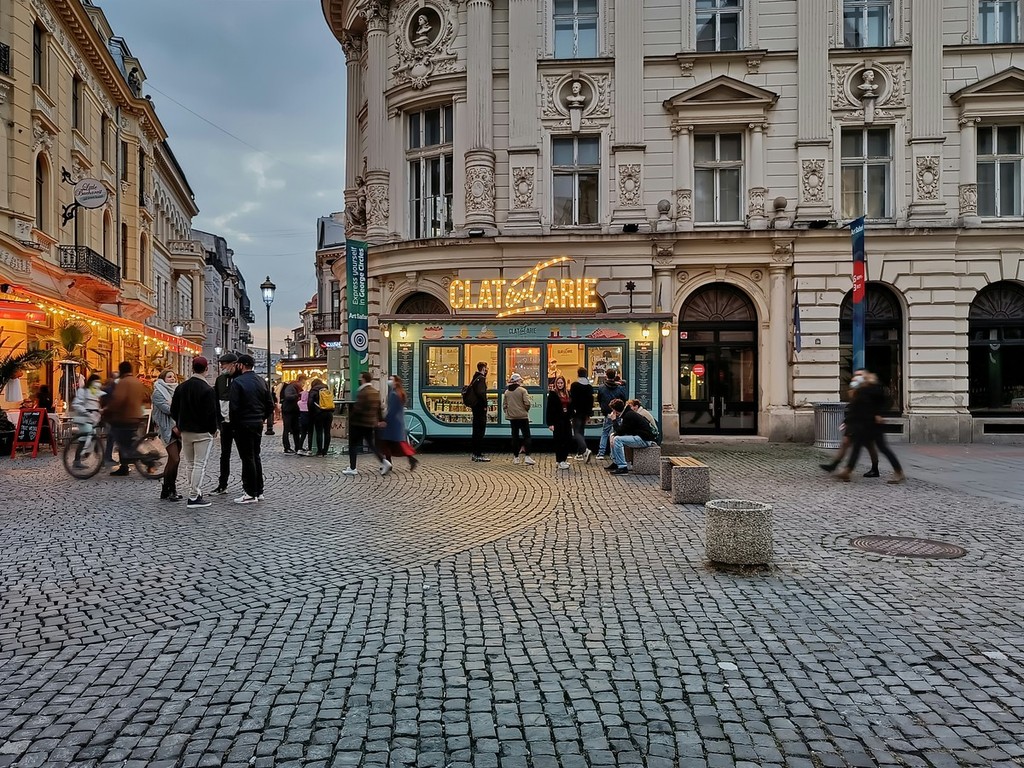
For most visitors, discovering Bucharest begins in the Old Town, also known as Lipscani, the city’s historic district that still preserves the commercial and cultural atmosphere of past centuries. The pedestrian streets, restored buildings, and numerous restaurants, cafés, and terraces transform this part of the capital into a lively area both during the day and late into the night.
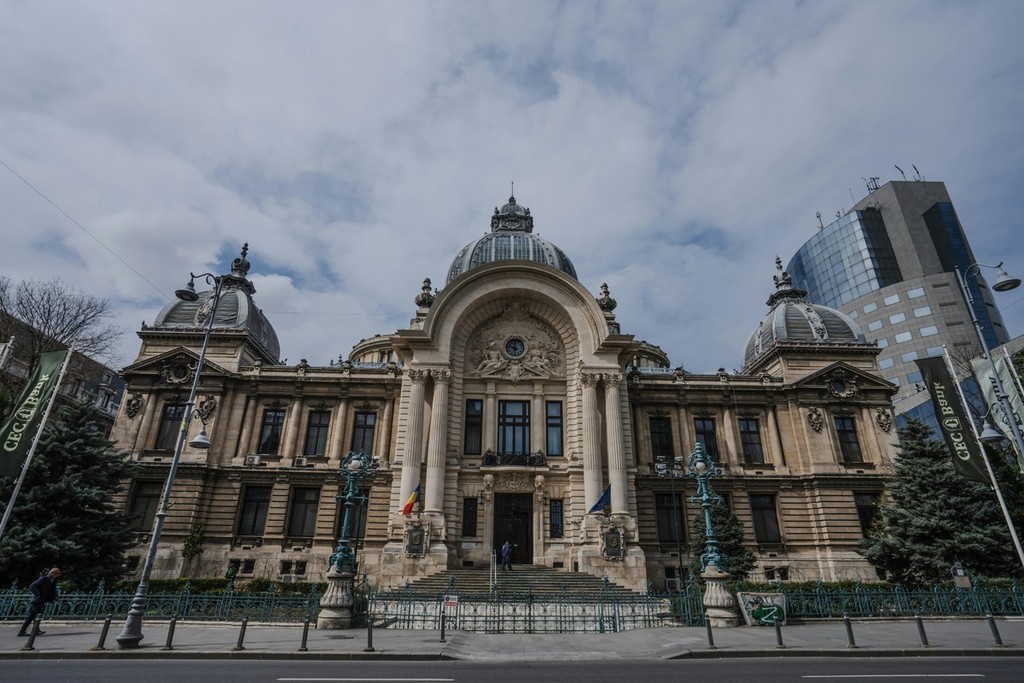
Among the most beautiful landmarks in the area is Stavropoleos Monastery, an architectural jewel built in the Brâncovenesc style, famous for its intricate stone carvings, peaceful courtyard, and almost monastic atmosphere that strongly contrasts with the surrounding urban bustle. Nearby are Hanul lui Manuc, one of the oldest commercial buildings in the city, the elegant Pasajul Macca-Vilacrosse with its distinctive yellow glass roof, and the old CEC Palace, an imposing building reminiscent of Bucharest’s interwar golden age.
Beyond its historical significance, the Old Town is also the center of the capital’s social and entertainment life. The atmosphere becomes especially vibrant after sunset, when the streets fill with tourists and locals, and the restaurants and bars create one of the liveliest urban areas in Romania.
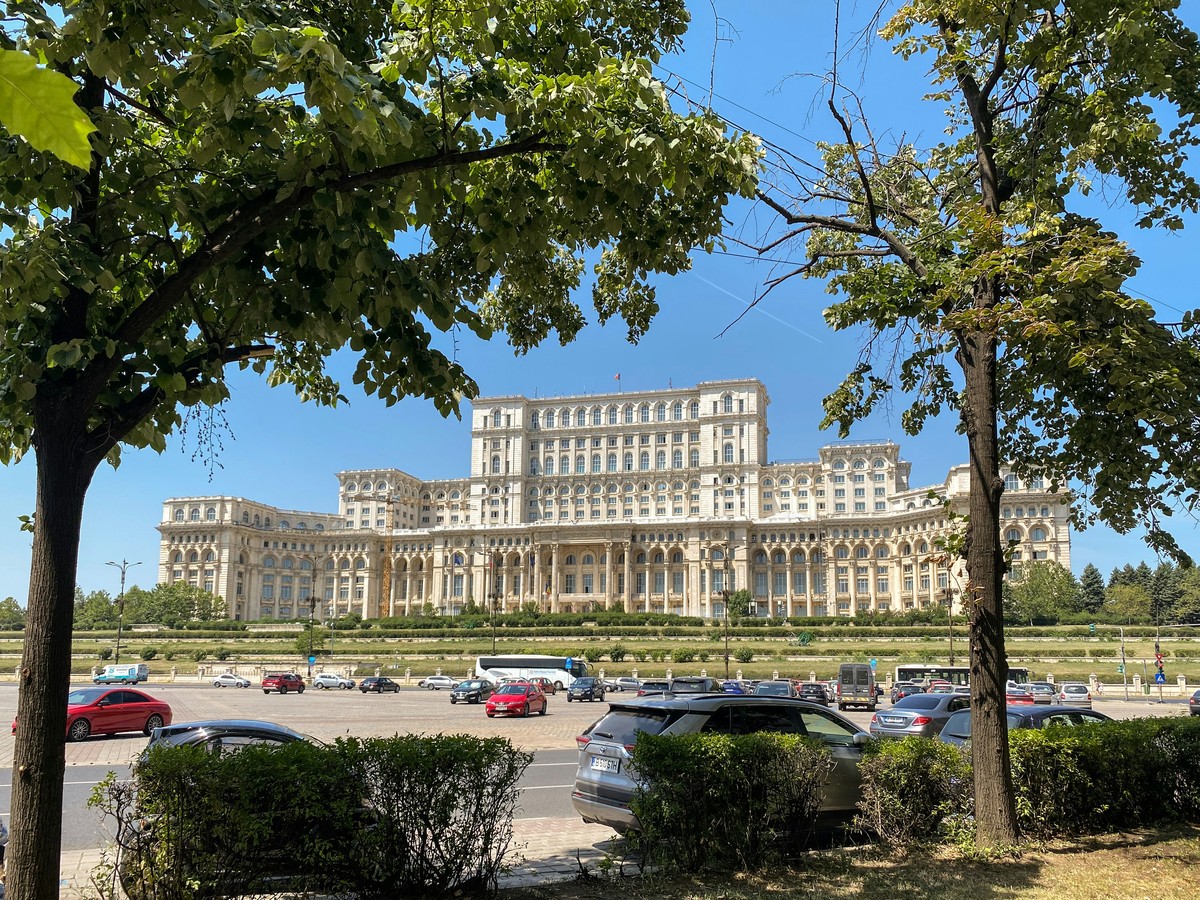
Palace of the Parliament – A Symbol of Grandeur and the Contradictions of the Communist Era
Few buildings in the world impress through size and monumentality quite like the Palace of the Parliament, considered one of the largest administrative buildings on the planet. Built during the regime of Nicolae Ceaușescu, the palace represents both a display of architectural power and one of the most controversial symbols of Romania’s communist past.
The interior of the building is dominated by enormous halls decorated with Romanian marble, massive chandeliers, gigantic carpets, and extravagant decorative elements reflecting the grand ambitions of the project. Visiting the palace offers tourists not only the opportunity to discover an impressive construction, but also a deeper understanding of the country’s recent history and the impact the communist era had on the development of Bucharest.
The surrounding area is equally striking, with its exceptionally wide boulevards and monumental perspectives inspired by the urban planning style characteristic of 20th-century totalitarian capitals.
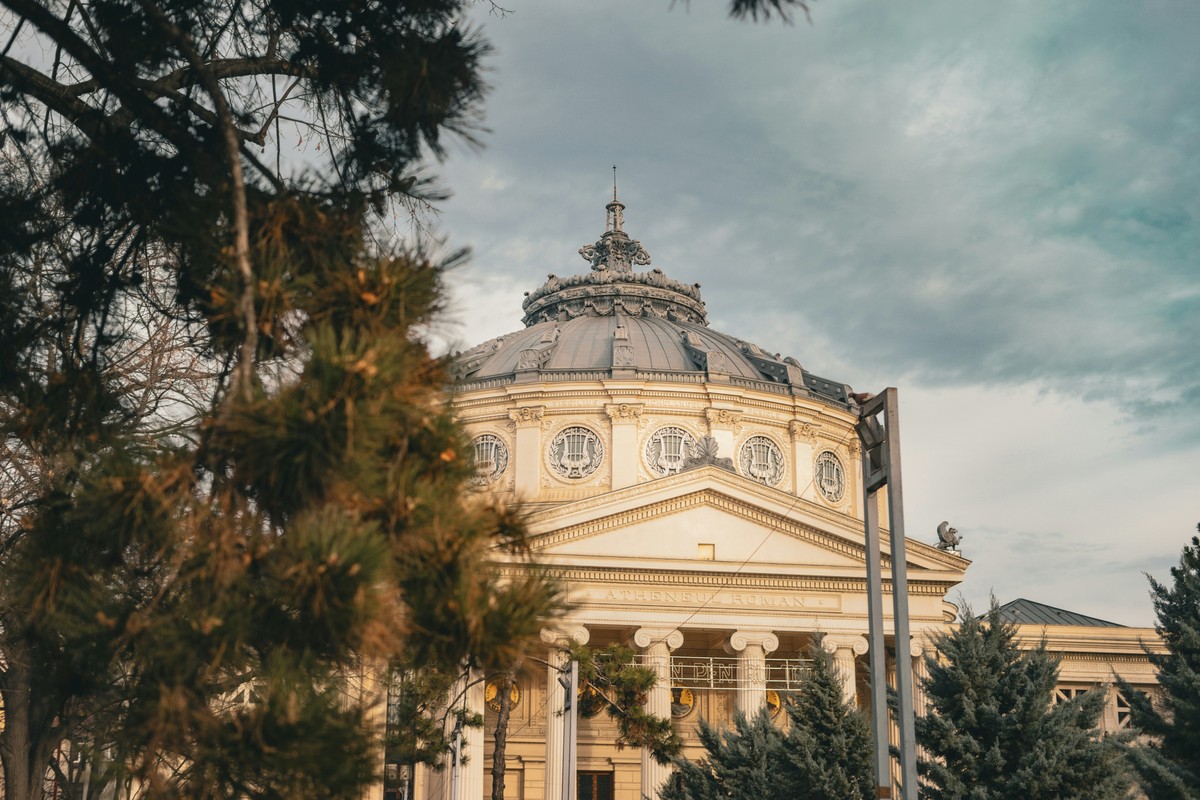
Romanian Athenaeum – The Cultural Elegance of Bucharest
The Romanian Athenaeum is considered one of Romania’s most elegant and representative cultural monuments, admired both for the beauty of its neoclassical architecture and for the important role it plays in the country’s artistic life. The building impresses with its monumental columns, spectacular dome, and refined interior decorated with frescoes and golden ornaments.
The Athenaeum hosts classical music concerts and major cultural events, including the internationally renowned George Enescu Festival. Attending a concert in this hall is a remarkable experience thanks to its outstanding acoustics and elegant atmosphere reminiscent of Europe’s great cultural capitals.
The square in front of the Athenaeum, together with the gardens and surrounding historic buildings, forms one of the most photographed and appreciated areas in Bucharest.
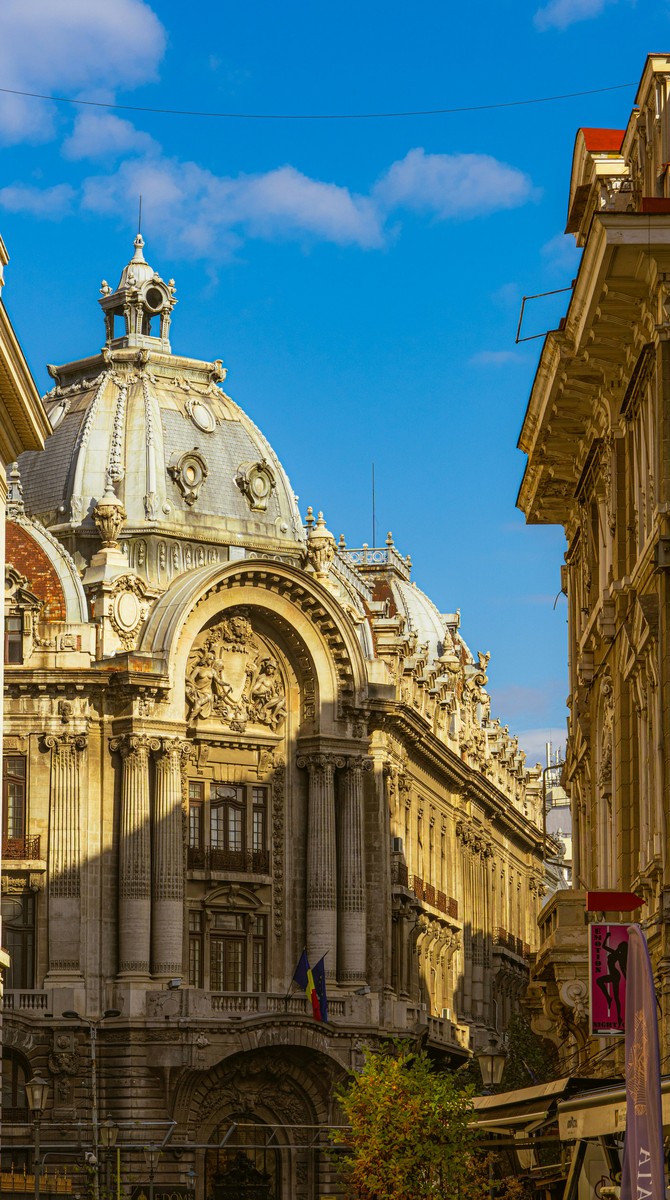
Calea Victoriei – The Elegant Artery of the Capital
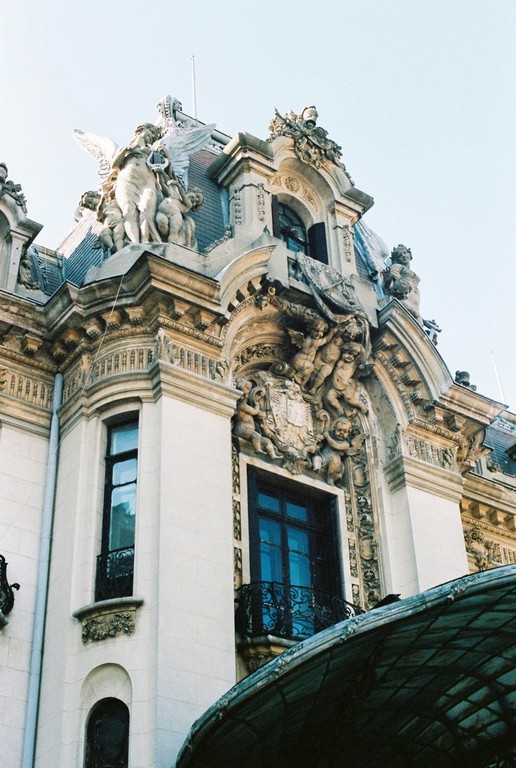
Calea Victoriei is one of Bucharest’s oldest and most elegant streets, the place where the sophisticated atmosphere of the city’s interwar golden age can best be experienced. A walk along this boulevard allows visitors to admire palaces, historic hotels, museums, and buildings designed in eclectic, neoclassical, and Art Nouveau styles.
Along the avenue stand important cultural institutions such as the Royal Palace of Bucharest and the National Museum of Art of Romania, as well as numerous modern cafés and elegant restaurants that make the area extremely popular with both locals and visitors.
During weekends, certain sections of the boulevard become pedestrian-only, and the atmosphere resembles that of Europe’s great capitals, with street performers, lively terraces, and people strolling peacefully among the historic buildings.
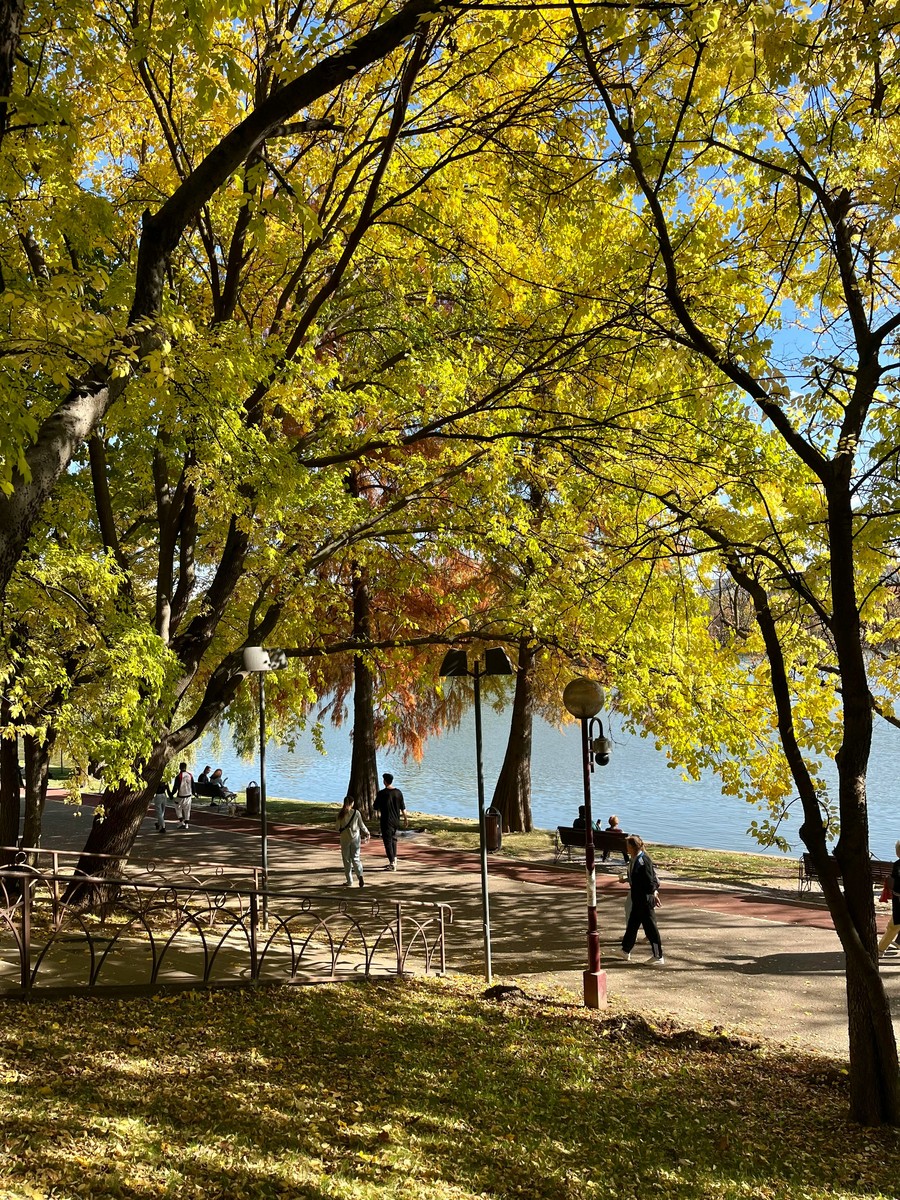
The Parks of Bucharest – Impressive Green Spaces in a Busy Capital
Although it is a highly crowded capital, Bucharest surprises visitors with its large number of parks and green spaces that offer both locals and tourists the chance to relax in the middle of nature.
King Michael I Park, still known by many as Herăstrău Park, is the city’s largest and most popular park. Its vast lake, wide alleys, and abundant vegetation create the perfect setting for walks, sports activities, or moments of relaxation. Nearby lies the famous Dimitrie Gusti National Village Museum, turning the area into an important cultural and recreational center.
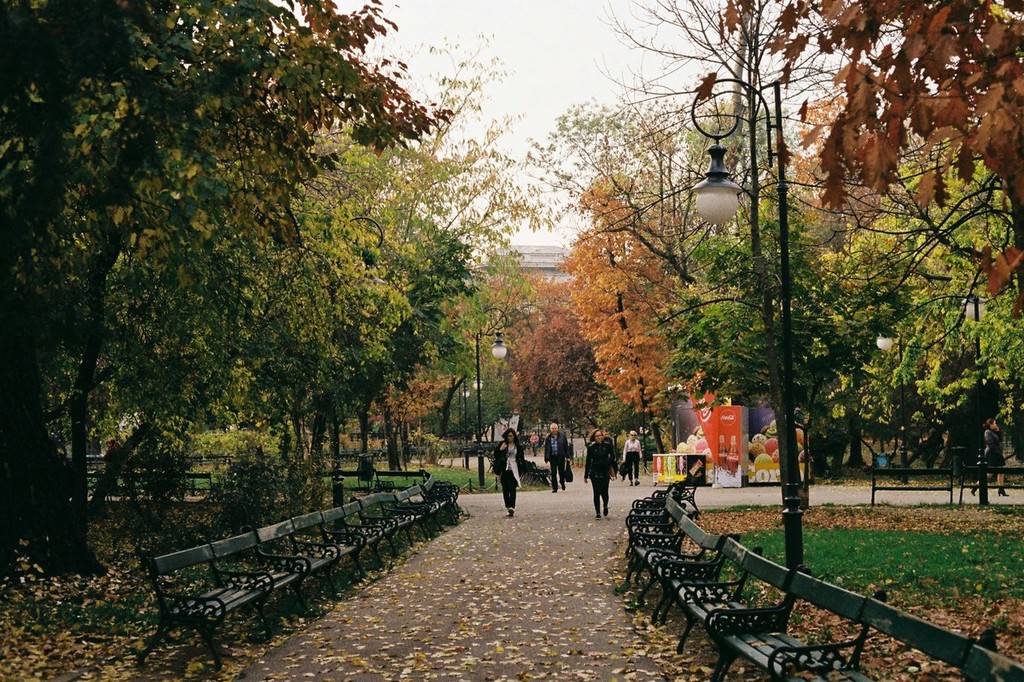
Cișmigiu Gardens offers a completely different atmosphere, much more romantic and peaceful. Considered Bucharest’s oldest central park, it impresses visitors with elegant bridges, a small lake, and mature vegetation that creates spectacular scenery in every season.
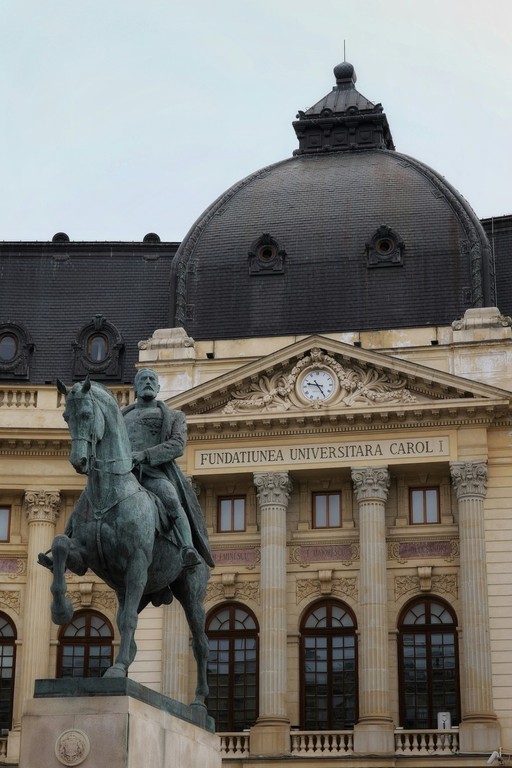
Carol I Park perfectly completes the image of the capital’s green areas through its monuments, decorative fountains, and wide perspectives over the city.
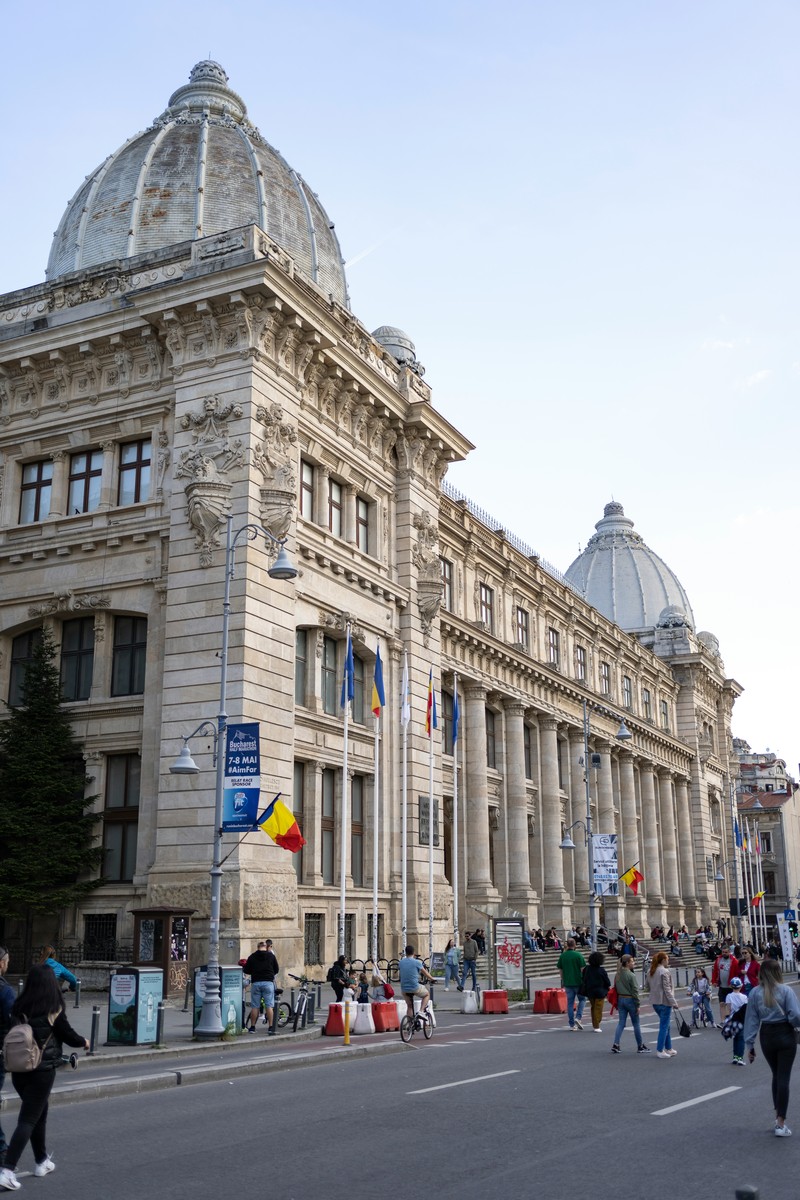
The Museums of Bucharest – A Journey Through Romanian Culture and Traditions
Bucharest offers numerous valuable museums that allow visitors to discover Romania’s history, culture, and traditions in a captivating and accessible way.
Dimitrie Gusti National Village Museum is one of Europe’s most appreciated open-air museums and represents a true immersion into the world of the traditional Romanian village. Visitors can explore authentic houses brought from different regions of the country, wooden churches, windmills, and traditional households illustrating the cultural and architectural diversity of rural Romania.
Grigore Antipa National Museum of Natural History is renowned for its impressive collections and interactive exhibitions dedicated to zoology, anthropology, and paleontology. The museum is highly appreciated by both adults and families with children thanks to the modern presentation of its exhibits.
National Museum of Art of Romania, located inside the former Royal Palace, houses important collections of Romanian and European art and offers a broad perspective on the country’s cultural and artistic evolution.
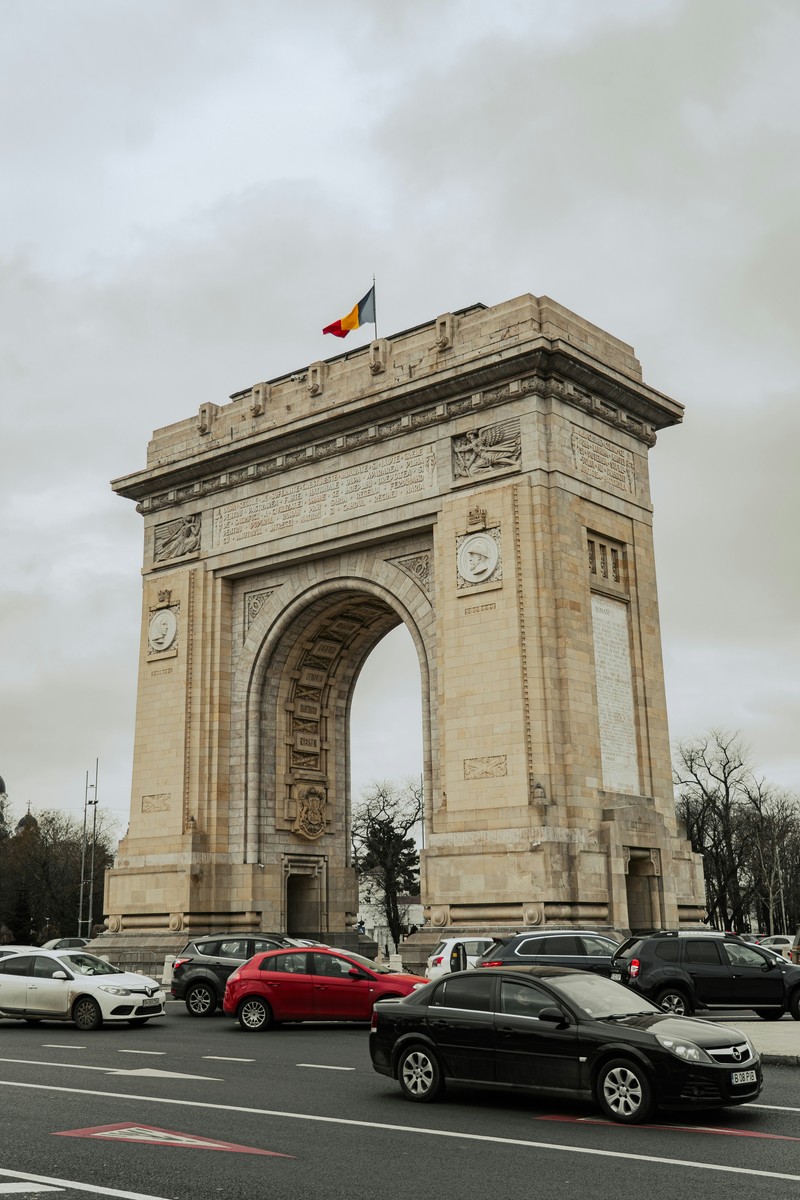
The Arch of Triumph and the Monumental Image of the Capital
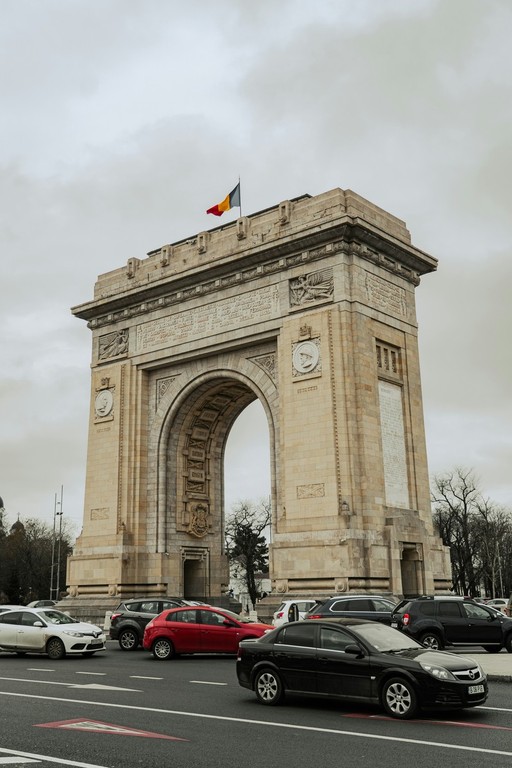
The Arch of Triumph is one of Bucharest’s best-known symbols and recalls the famous Parisian monument that inspired it. Built to celebrate Romania’s victory in World War I, the monument occupies an important place in the historical and patriotic identity of the capital.
The area surrounding the Arch of Triumph is particularly elegant, framed by wide boulevards, representative buildings, and generous green spaces. During certain periods of the year, visitors can climb inside the monument to admire panoramic views of the city.
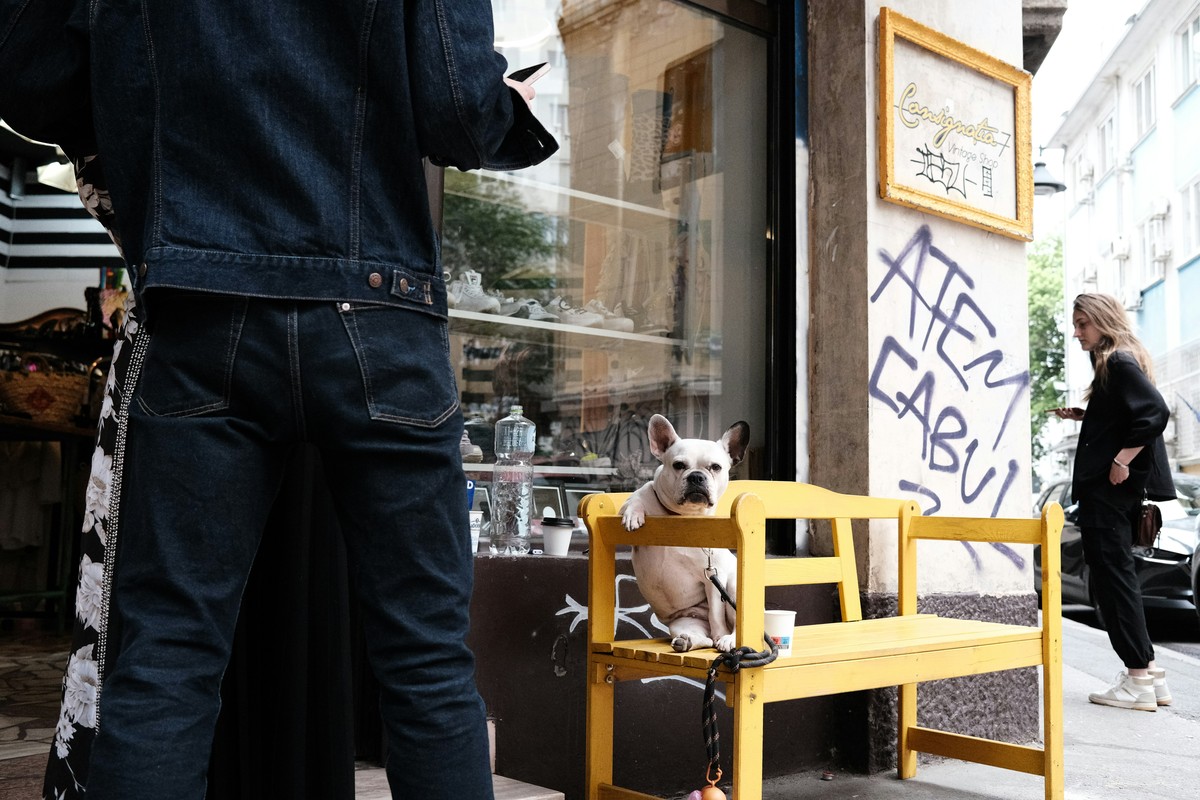
Gastronomy, Cafés, and Modern Urban Life
A tourist’s experience in Bucharest would not be complete without discovering the local gastronomy, which combines Balkan, Oriental, and Central European influences into an authentic and flavorful culinary style.
Among the traditional dishes worth trying are Sarmale, Mici, Ciorbă de burtă, Zacuscă, and the famous dessert Papanași. In recent years, the capital’s gastronomic scene has developed significantly, and Bucharest now offers both traditional restaurants and modern fine dining venues appreciated internationally.
Neighborhoods such as Floreasca, Dorobanți, and the areas around Calea Victoriei have become important centers for elegant restaurants, modern cafés, and rooftop venues with spectacular views over the city.
Nightlife is also one of the capital’s major attractions. Bucharest is known for its energetic atmosphere, popular clubs, and numerous cultural and musical events taking place throughout the year.
Bucharest is a city that does not fully reveal itself at first glance, yet it is precisely this complexity that makes it so fascinating for visitors. Romania’s capital impresses through its architectural contrasts, urban energy, and the way history and modernity coexist within the same space.
From grand monuments and elegant boulevards to hidden cafés, peaceful parks, and the vibrant atmosphere of the Old Town, Bucharest offers an authentic experience unlike that of other European capitals. For those who choose to explore it with patience and curiosity, the city quickly becomes one of the most surprising and memorable destinations in Eastern Europe.




 International editions: