


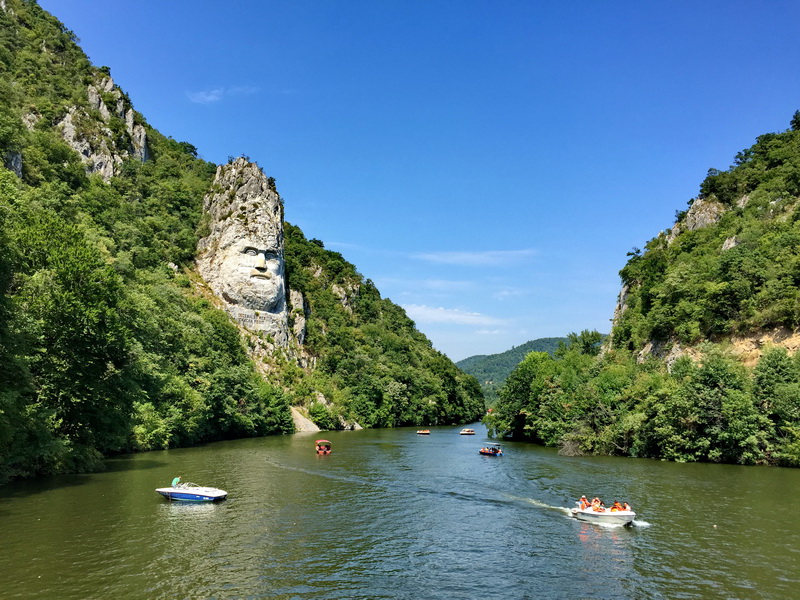
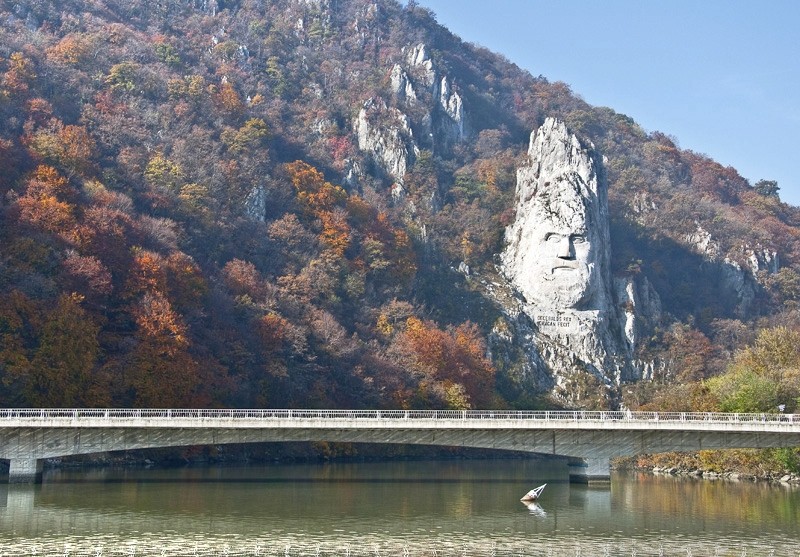
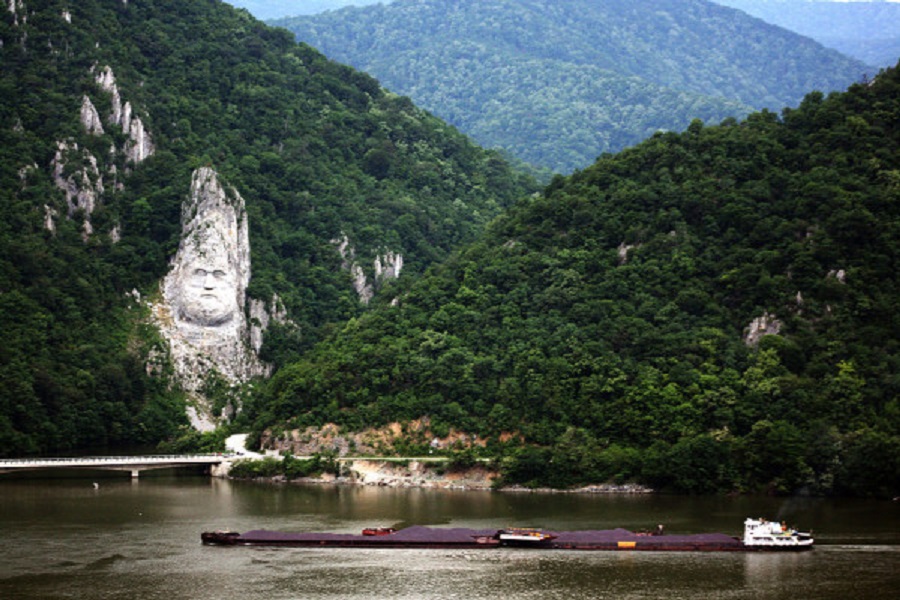
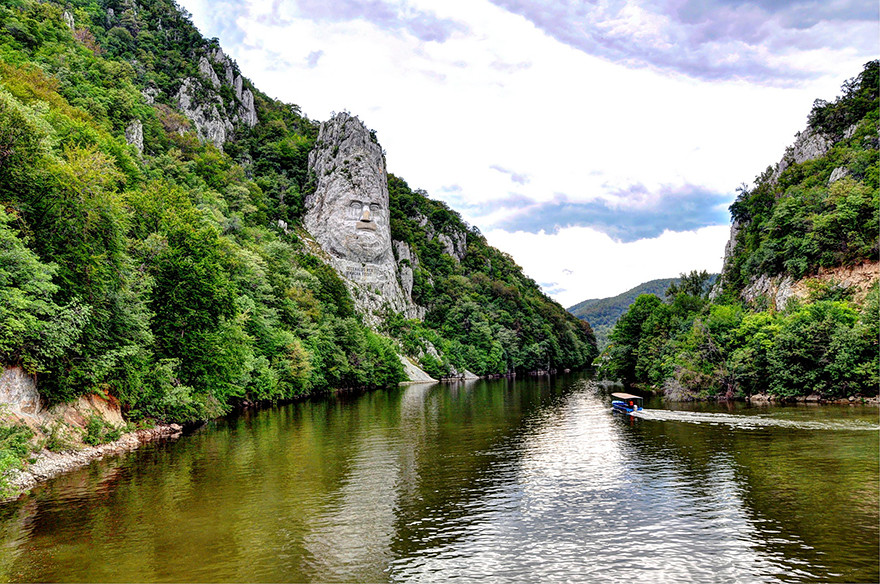
The greatness of Decebal’s (the last king of the Dacians) statue mingles harmoniously with the Danube’s spectacular rushing waters that flow through the rocks covered by Mediterranean vegetation. The whole landscape forms a breathtaking view.
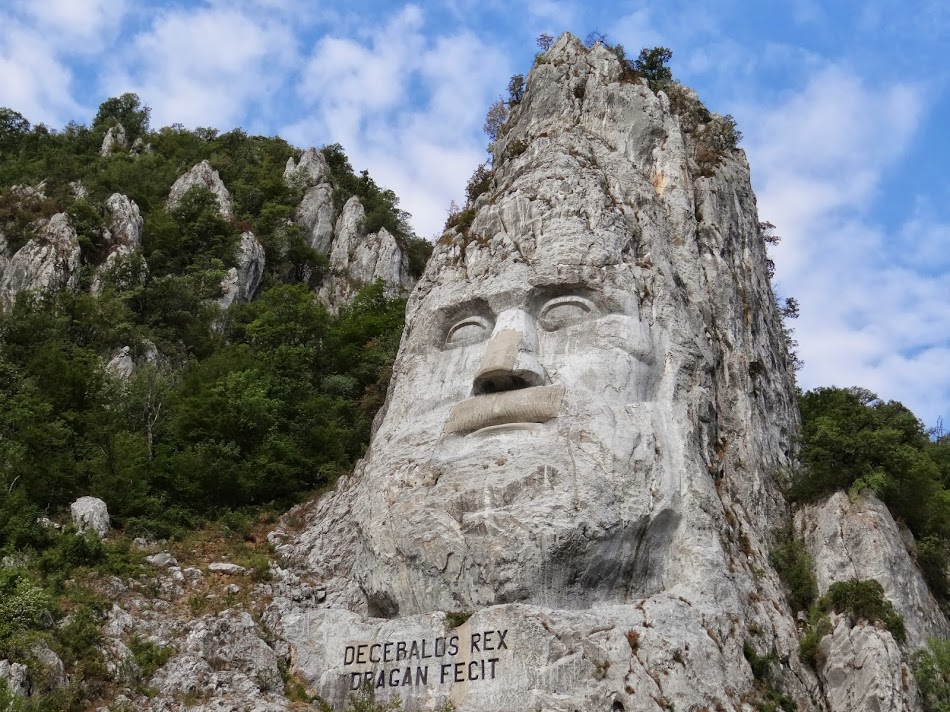
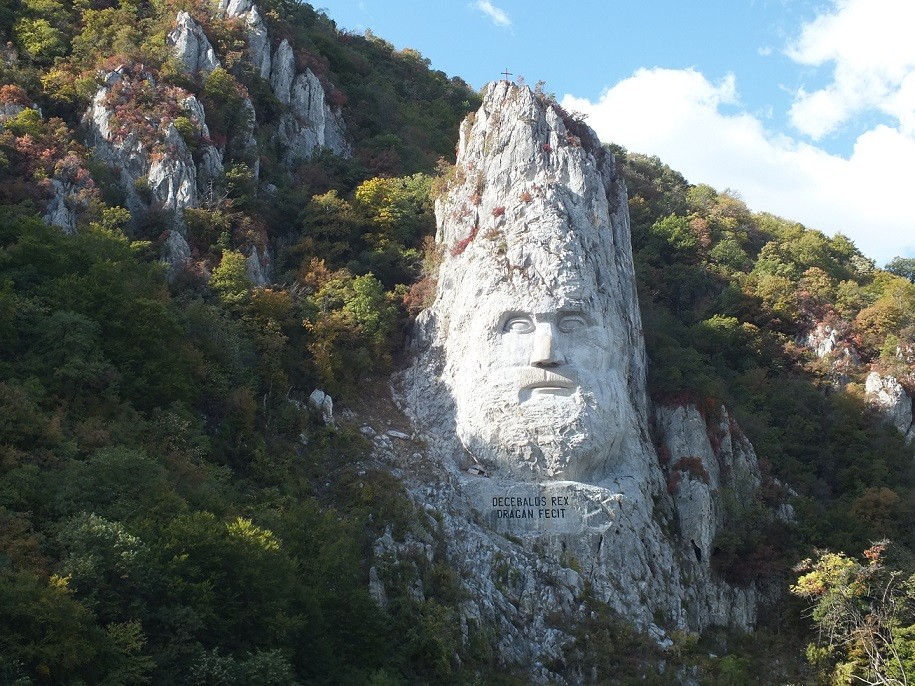
The sculpture is 55 m high and 25 m wide, bigger than New York’s Statue of Liberty and the monument of Christ in Rio de Janeiro. Twelve sculptors contributed to the making of this monument, which lasted 10 years (between 1994 and 2000), a relatively short time compared to other similar sculptures. A similar project on Mount Rushmore needed 300 climbing sculptors and 14 years of work.
The work on “The Rock Sculpture of Decebalus” was difficult and extremely dangerous because of the height and the vipers crawling around. Cleaning the rock and the stones was difficult and quite complicated. After 10 years, all the efforts resulted in a grand work of art of remarkable beauty, bearing a strong historical and Romanian identity heritage.
Below the head of the statue, there is an inscription dedicated to the one who initiated and financed the work, Iosif Constantin Drăgan, a businessman and admirer of Romanian history and origins: “DECEBAL REX – DRAGAN FECIT” (King Decebal – made by Drăgan).
On the other side of the Danube River, in Serbia, there is an ancient inscription, Tabula Traiana, placed by the Roman emperor Trajan to mark his road and his many victories in Europe.
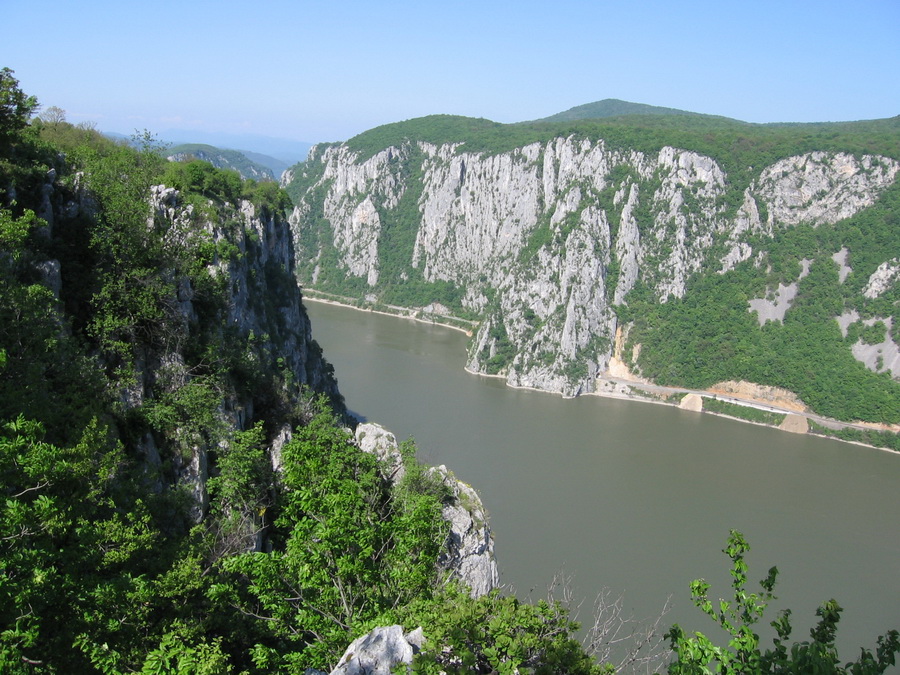
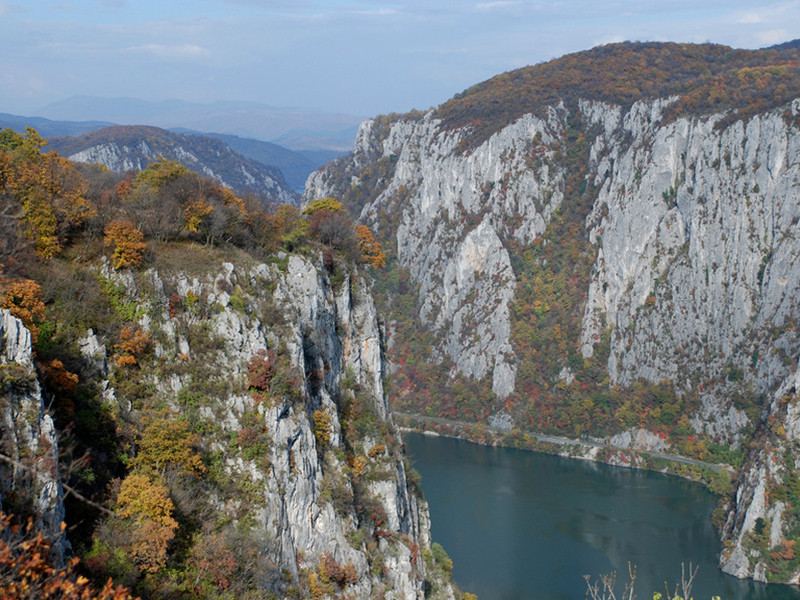
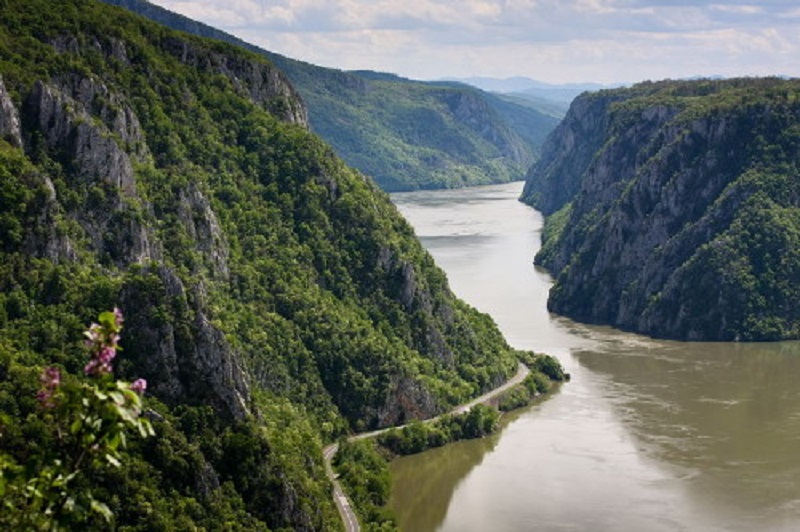
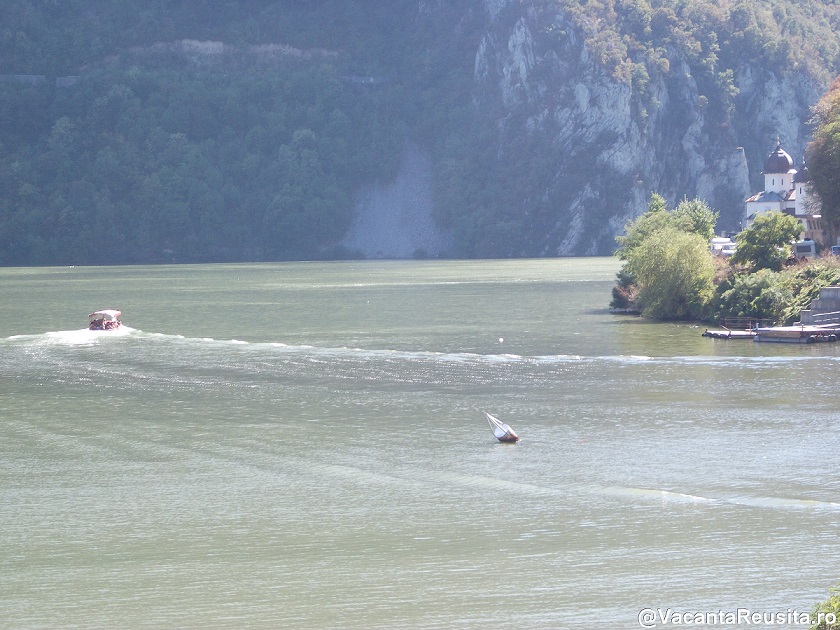
The Cazanele Dunării area is, in itself, a touristic attraction. Here, the watercourse makes its way among vertical rocky walls; in some places it narrows (reaching down to 230 m), and the depth increases (reaching up to 75 m), which makes the water rush, creating an image of great beauty and grandeur.
The Statue of Decebal completes, at a sublime level, this entire Eden-like landscape.




 International editions: