


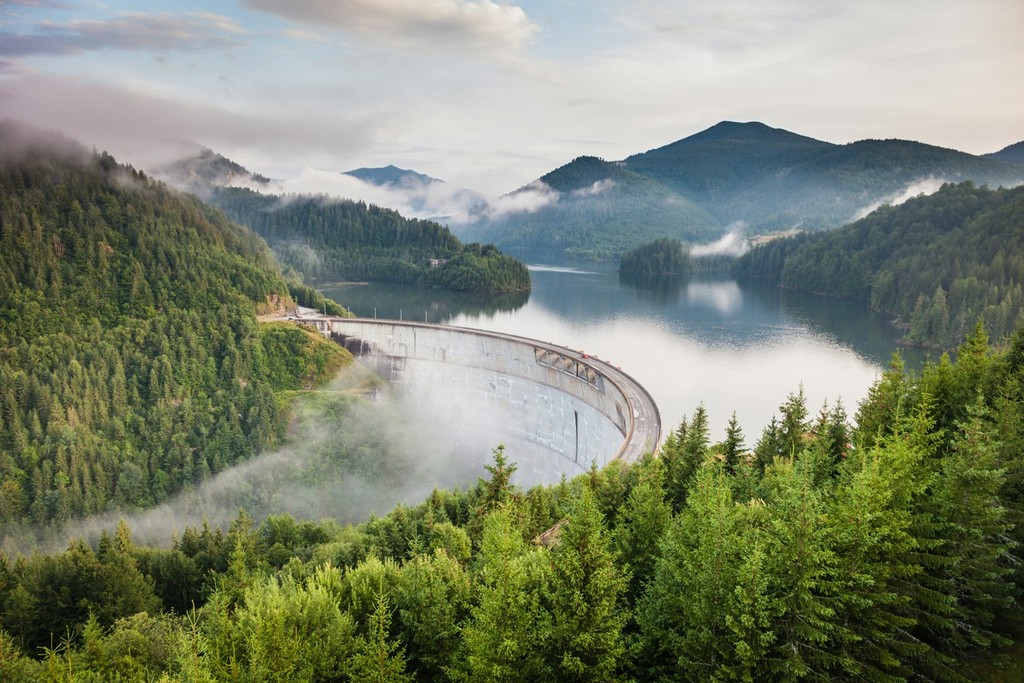
More than just a travel trend, it is a philosophy that emphasizes authentic experiences, meaningful connections with destinations, and respect for local communities.
Romania is one of the European countries where slow travel can be experienced in its purest form. From the traditional villages of Transylvania and Maramureș to the breathtaking landscapes of the Danube Delta and the Apuseni Mountains, the country offers countless places where life moves at a gentler pace.
Slow travel is about exploring a destination without rushing. It encourages spending more time in one place, immersing yourself in the local culture, and discovering a destination beyond its most famous tourist attractions. Instead of rushing from one landmark to another or changing cities every day, you take time to connect with the people, enjoy local cuisine, and appreciate the unique character of each place.
It is not about seeing less—it is about experiencing more.
Romania still preserves many places where traditions remain alive, nature is remarkably well protected, and local hospitality turns every visit into a memorable experience.
Many villages continue to follow the rhythm of the seasons, while traditional crafts such as pottery, weaving, and woodworking are still practiced. Visitors can take part in authentic activities, including baking bread in traditional clay ovens, harvesting seasonal fruits, horse-drawn carriage rides, or workshops led by local artisans.
The villages of Transylvania, Maramureș, and Bucovina are among the best destinations for travelers looking to escape the fast pace of everyday life. Traditional houses, fortified churches, peaceful country roads, and rolling rural landscapes create the perfect setting for relaxation.
Instead of spending only a few hours in a village, consider staying for several days. This allows you to experience local traditions, enjoy regional cuisine, and learn about customs that have been preserved for generations.
The Carpathian Mountains, the Apuseni Mountains, Piatra Craiului National Park, and the Danube Delta provide outstanding opportunities for responsible and sustainable tourism.
Gentle hiking, cycling, birdwatching, landscape photography, and boat trips allow visitors to experience nature in a meaningful way while minimizing their environmental impact.
Food is an essential part of the slow travel experience. Instead of choosing international restaurant chains, travelers are encouraged to dine at family-run guesthouses and support local producers.
Artisanal cheeses, sarmale (stuffed cabbage rolls), traditional soups, freshly caught trout, cozonac, and homemade jams tell the story of each region far better than any guidebook.
Slow travel also promotes responsible tourism. By staying in locally owned guesthouses, purchasing handmade products from artisans, and participating in experiences organized by local communities, travelers contribute directly to preserving traditions and supporting the local economy.
This approach benefits both visitors and residents while encouraging sustainable tourism development.
Slow travel reminds us that a vacation should not be a race to visit as many places as possible. Sometimes, the most memorable moments are the simplest ones—a quiet morning on the porch of a traditional farmhouse, a conversation with a local craftsman, or watching the sunset over the rolling hills of the Romanian countryside.
Romania is one of the few places in Europe where time still seems to slow down, and it is precisely this authenticity that makes every journey unforgettable.
As more travelers seek authentic and sustainable experiences, slow travel has become one of the most rewarding ways to explore a destination. With its spectacular natural landscapes, rich cultural heritage, and warm hospitality, Romania offers the perfect setting for this style of travel.
Traveling without rushing allows you to truly discover a place, build genuine connections, and return home with more than beautiful photographs—it leaves you with lasting memories and a deeper appreciation for the people, traditions, and landscapes that make Romania unique.




 International editions: