


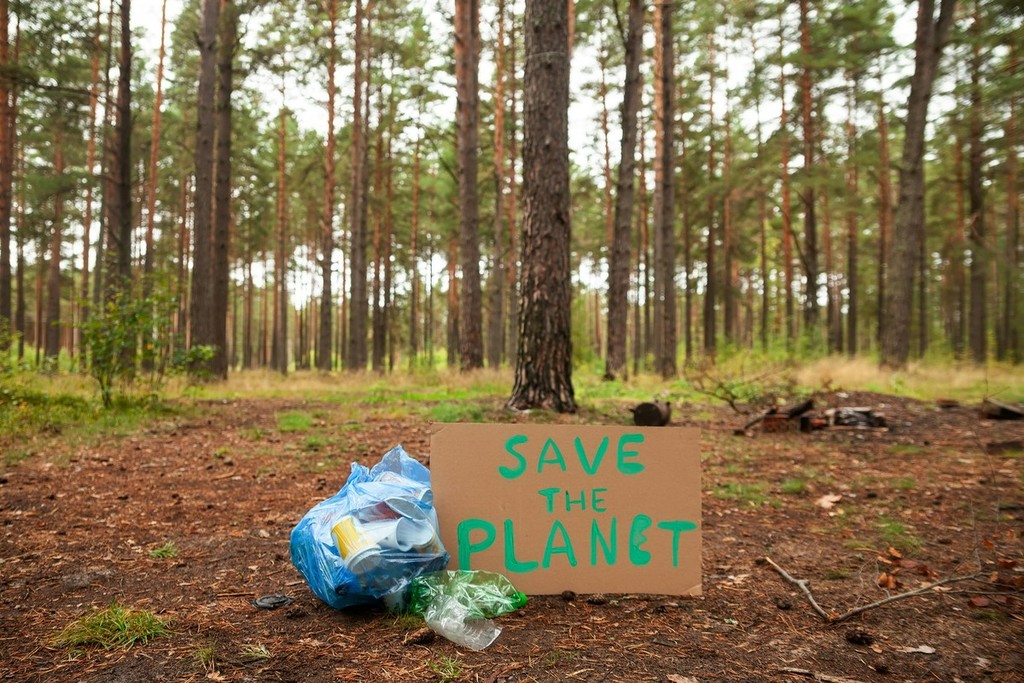
Among the most effective ways to reduce environmental impact is sustainable recycling, an essential practice for conserving natural resources, reducing waste generation, and promoting a circular economy.
The separate collection and proper recycling of paper, plastic, glass, metals, and organic waste make it possible to recover valuable materials that can be reused in the production of new goods. This helps reduce the consumption of raw materials, save energy, and lower greenhouse gas emissions.
Every citizen can make a meaningful contribution to environmental protection by adopting simple everyday habits: sorting waste correctly, reducing the use of single-use plastics, choosing reusable products, avoiding food waste, and purchasing locally produced, seasonal goods. Reusing and repairing items whenever possible are also sustainable choices that help reduce the amount of waste sent to landfills.
Environmental education plays a vital role in promoting responsible behavior, particularly among younger generations. Raising public awareness about the importance of recycling and the responsible use of natural resources is an investment in a cleaner and more sustainable future.
Protecting the environment also means protecting people's health and improving the quality of life in our communities. Every action matters: recycling properly today helps build a greener future for everyone.
Choose recycling, respect the environment, and contribute every day to a more sustainable future!







 International editions: