


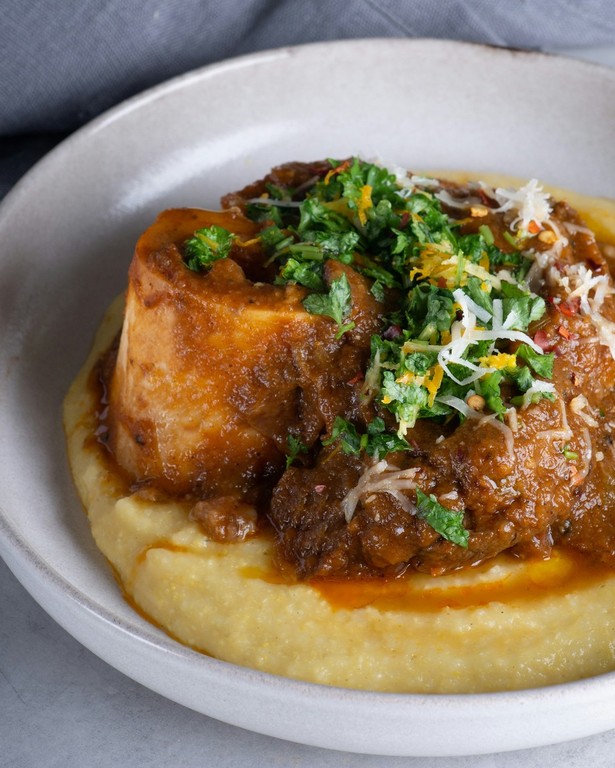
Mămăligă is one of the traditional dishes of Romanian cuisine and, depending on the region, it can be prepared and served in different ways. Served on its own, alongside cheese and sour cream, or as part of more substantial dishes, it remains a staple of traditional cooking in many parts of the country.
There is no single place that can objectively be named as the home of the “creamiest” mămăligă in Romania. Its texture and taste depend on the type of cornmeal used, the amount of water or milk, the cooking time and, of course, the ingredients served with it. What can be found, however, are regions where the combination of mămăligă, cheese and sour cream holds an important place in local cuisine.
Bucovina, Where Mămăligă Meets Cheese and Sour Cream
Bucovina is one of Romania’s regions known for its traditional cuisine, in which sour cream and cheese are used in many dishes. Local cuisine includes a variety of recipes in which mămăligă is served with salty cheese, meat dishes or mushrooms.
In Bucovinian cooking, mămăligă may be served alongside sheep’s cheese and various hearty dishes. Culinary sources dedicated to the region also mention versions combining mămăligă with brânză de burduf, a traditional fermented cheese, as well as sour cream and butter.
For those looking for a traditional culinary experience in Bucovina, mămăligă can therefore be part of a meal in which local dairy products play an important role.
Maramureș and Mămăligă with Sheep’s Cheese
In Maramureș, mămăligă is part of the region’s traditional cuisine and is commonly paired with sheep’s cheese. Descriptions of Maramureș cuisine mention mămăligă served with sheep’s cheese or frământat cheese among the local dishes.
There are also more substantial versions in which mămăligă is cooked in milk and served with sheep’s cheese, sour cream and crispy pork cracklings. This combination reflects the rustic and hearty character of traditional cuisine in this part of Romania.
Traditional households and guesthouses in Maramureș may also serve dishes based on mămăligă and local dairy products, including brânză de burduf, caș, telemea and urdă.
In the Apuseni Mountains, Mămăligă Is Closely Linked to Pastoral Tradition
In mountain regions, mămăligă is closely connected to pastoral culture and to dairy products traditionally made at sheepfolds. Sheep’s cheeses, fresh caș and brined or kneaded cheeses naturally complement mămăligă.
One of the best-known dishes associated with Romania’s pastoral cuisine is bulz, made from mămăligă and cheese, usually brânză de burduf. Depending on the region and recipe, it can be cooked over a fire, on hot coals or in the oven and may be served with sour cream or other ingredients.
In the Carpathian mountain regions, mămăligă is therefore more than just a side dish. It is also the basis for traditional foods associated with pastoral life.
Mărginimea Sibiului, a Region Known for Sheep’s Cheese
The area around Sibiu offers another perspective on the combination of mămăligă and traditional cheeses. Mărginimea Sibiului is known for sheep’s milk products, which are used in numerous local dishes.
One example is bulz, prepared with mămăligă and sheep’s cheese. Local food festivals also feature dishes such as bulz ciobănesc, along with other specialties made using traditional regional products.
For those interested in traditional Romanian cuisine, the Sibiu area is therefore one of the regions where mămăligă and sheep’s cheese can be discovered together in dishes with a strong local character.
There Is No Single Recipe for the Perfect Mămăligă
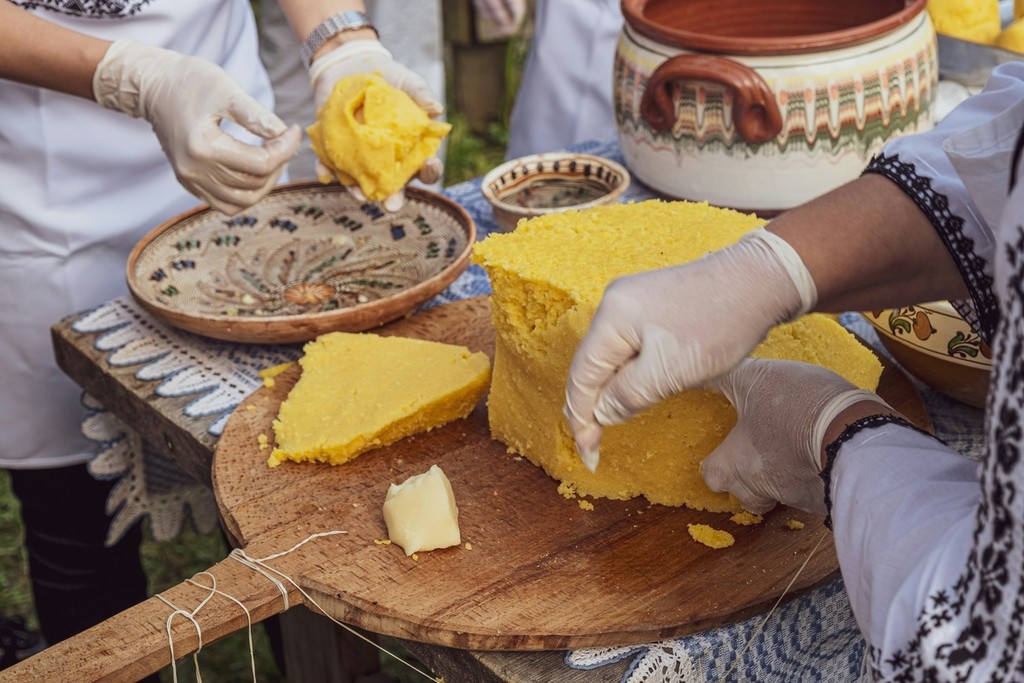
One of the most interesting things about mămăligă is precisely the fact that there is no single version universally considered “the best.” In some regions, it is preferred softer and creamier, while in others it is firmer, making it easier to cut and serve alongside other dishes.
The differences also extend to the ingredients. In some traditional recipes, water can be partially or completely replaced with milk, while the cheese used can range from caș and telemea to brânză de burduf and other local varieties.
These differences are precisely what make mămăligă a dish that can be discovered in many regions of Romania, without any one of them being objectively declared the winner.
From Bucovina and Maramureș to the pastoral areas of the Carpathians and Mărginimea Sibiului, mămăligă remains closely associated with simple ingredients and local cuisine: cornmeal, cheese, sour cream and, depending on the recipe, milk, butter or other traditional products.
Perhaps this is also why mămăligă continues to have such a strong presence in Romanian cuisine. It does not require a complicated recipe or exotic ingredients. Its taste changes from one region to another, and this diversity is, ultimately, part of the story of Romania’s culinary heritage.



 International editions: