


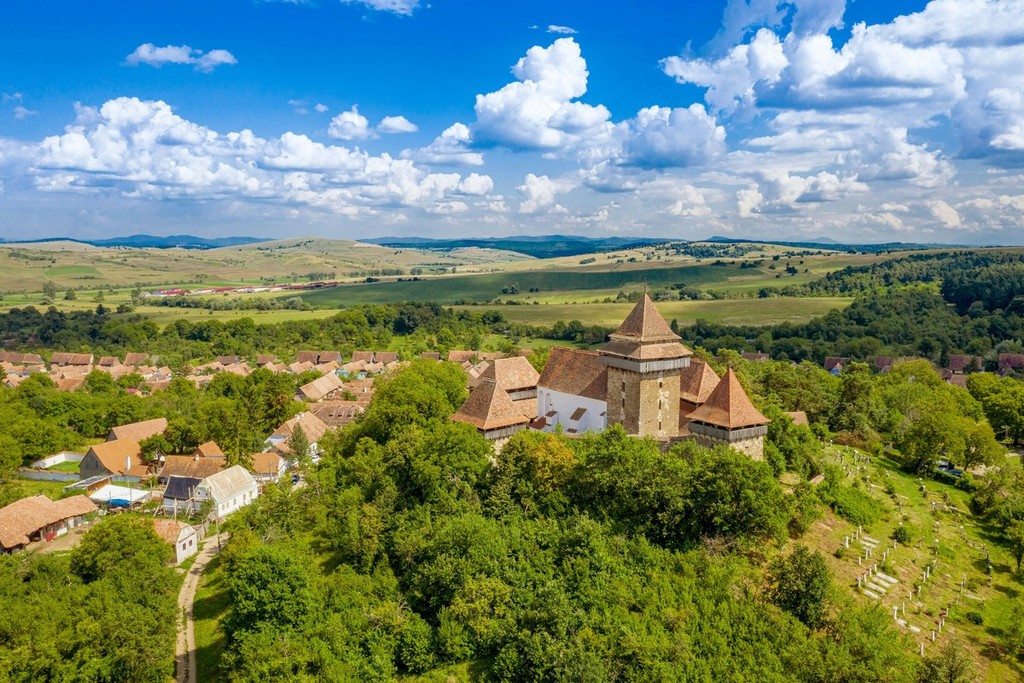
With its quiet streets, carefully restored Saxon houses, and a community that chose to preserve its heritage rather than abandon it, Viscri has become a European benchmark for rural conservation and sustainable tourism.
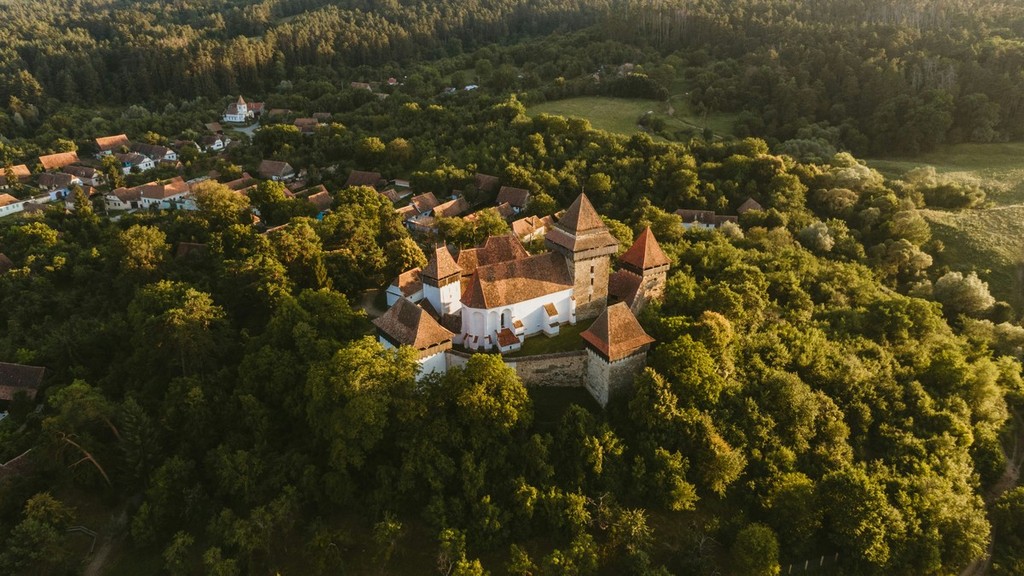
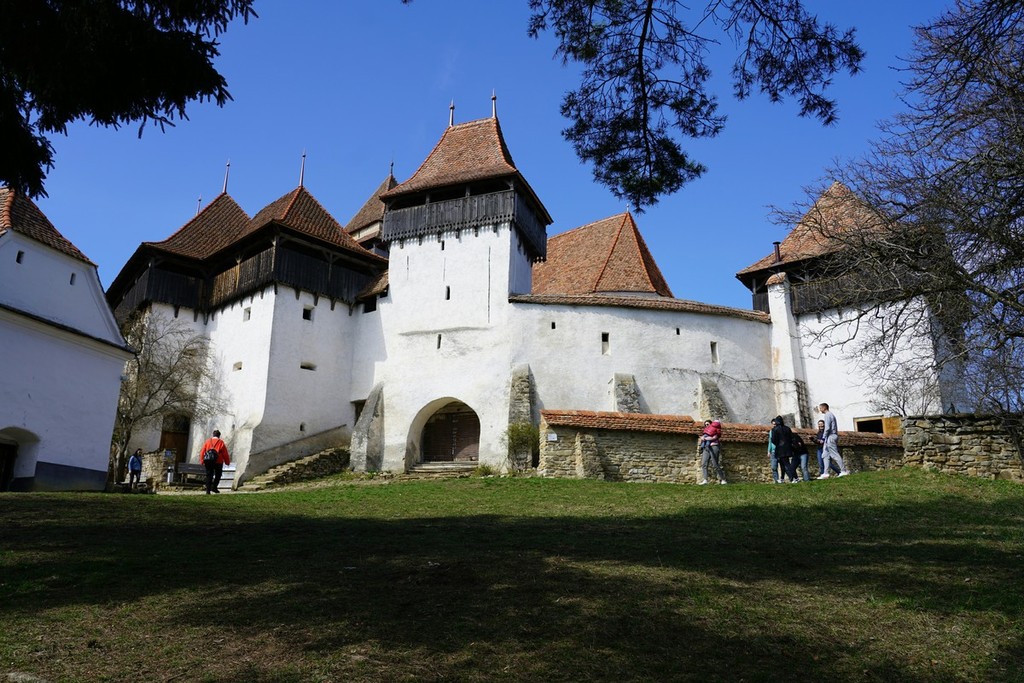
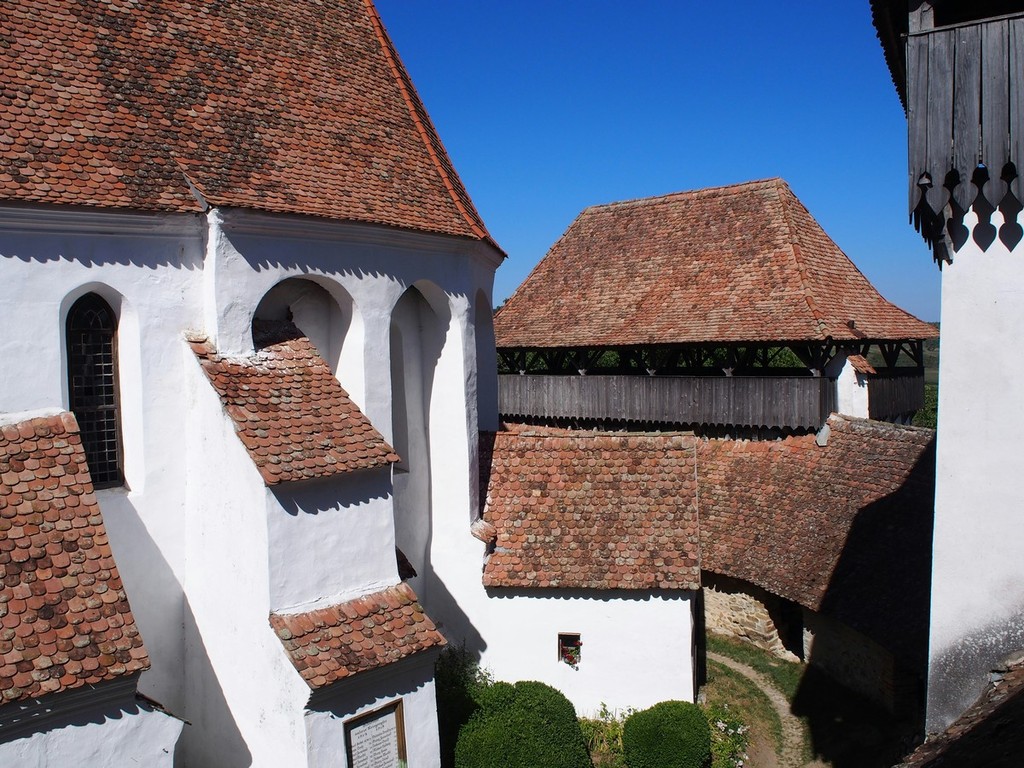
Its reputation extends far beyond Romania’s borders. Listed as a UNESCO World Heritage Site in 1999 as part of the “Villages with Fortified Churches in Transylvania,” Viscri attracts travelers, heritage specialists, and advocates of responsible tourism from around the world. The village’s fortified church, its most iconic landmark, stands as one of the best-preserved testimonies to the Saxon civilization that shaped Transylvania for centuries.
More Than Eight Centuries of History
The story of Viscri begins in the 12th century, when Saxon settlers were invited by the Hungarian kings to defend and develop the frontier regions of Transylvania. Over the centuries, they built prosperous communities, fortified churches, and a distinctive rural culture that survived well into the modern era.
Following the political changes of 1989, most Transylvanian Saxons emigrated to Germany, leaving behind many traditional homes and historic buildings. Like numerous villages across the region, Viscri faced the risk of gradual decline and the loss of its architectural and cultural heritage.
How Viscri Was Saved
The village’s remarkable revival is closely linked to the work of Caroline Fernolend and the Mihai Eminescu Trust, one of Romania’s leading heritage conservation organizations. Since the early 2000s, the foundation has coordinated restoration projects, vocational training programs, and community development initiatives that have transformed the future of the village.
Historic houses were restored using traditional building techniques and local materials, while nearly forgotten crafts were revived and passed on to new generations. At the same time, residents became actively involved in sustainable economic activities, including family-run guesthouses, traditional gastronomy, handicrafts, and cultural tourism.
Today, Viscri is widely regarded as a successful example of sustainable rural development, where heritage preservation generates economic opportunities while maintaining the unique character of the community.
A Special Connection with King Charles III
An important role in promoting Viscri on the international stage has been played by King Charles III of the United Kingdom. He first visited Romania in 1998 and soon became one of the most prominent supporters of the country’s rural heritage.
Captivated by Transylvania’s landscapes, extraordinary biodiversity, and traditional way of life, Charles has long advocated for the preservation of the region’s cultural and natural treasures. He purchased and restored a traditional property in Viscri, ensuring that the renovation respected local architectural principles and craftsmanship.
Today, the property, widely known as “The King’s House,” serves as a cultural and heritage center that promotes the history, traditions, and natural environment of Transylvania. The King’s continued interest in the region has significantly contributed to Viscri’s growing international visibility and appeal.
A Village Living in Harmony with Nature
Despite its global recognition, Viscri has retained its authentic rural character. Mornings still begin with herds of animals moving through the village streets, while traditional farming practices continue to shape the surrounding landscape.
The meadows, pastures, and forests around Viscri form one of Europe’s most valuable rural ecosystems, renowned for their biodiversity and ecological importance. Visitors come not only to admire historic monuments but also to experience a way of life that has largely disappeared from many parts of the continent.
Restored homes, traditional furnishings, local cuisine, and the warm hospitality of the community create an atmosphere that feels both timeless and genuine, offering an alternative to mass tourism.
Viscri in 2026: A Model for the Future
At a time when many rural communities across Europe are struggling to preserve their identity in the face of rapid modernization, Viscri demonstrates that development and conservation can successfully go hand in hand.
The village is more than a popular tourist destination. It is a living example of how heritage preservation, community involvement, and sustainable tourism can work together to create long-term prosperity while safeguarding cultural authenticity.
More than just a picturesque village in Transylvania, Viscri stands as proof that authenticity can be a resource for the future. Here, tradition is not confined to museums or history books—it remains an integral part of everyday life, making Viscri one of the most valuable symbols of contemporary rural Romania.




 International editions: