


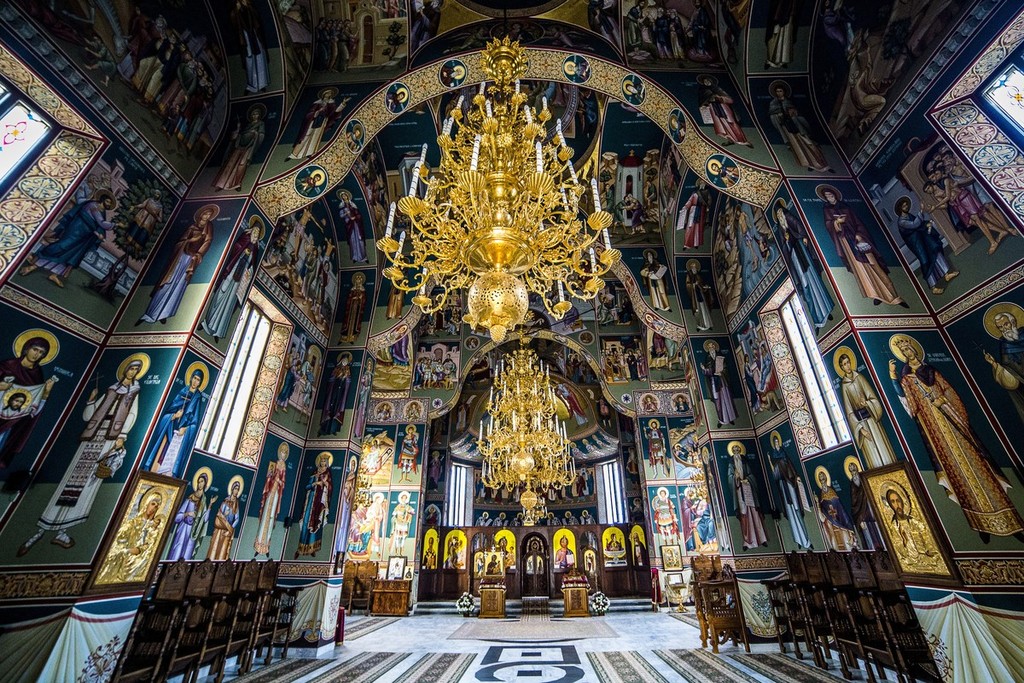
Famous for its painted monasteries, picturesque villages, and warm hospitality, this region in northeastern Romania offers visitors an authentic experience throughout the year.
The Painted Monasteries: Treasures of Cultural Heritage
One of Bucovina's main attractions is its medieval monasteries, internationally renowned for their exterior frescoes, remarkable colors, and outstanding artistic and religious significance.
Eight churches in northern Moldavia are included on the UNESCO World Heritage List, representing exceptional examples of religious art from the 15th and 16th centuries.
Among the most famous are Voroneț Monastery, celebrated for the distinctive shade of blue used in its paintings; Moldovița Monastery, admired for its richly detailed frescoes; and Sucevița Monastery, known for its predominant green tones and impressive collection of mural paintings.
These monuments are not simply tourist attractions. They are also testimonies to the history, faith, and artistic creativity that have shaped the region's cultural identity.
Natural Landscapes That Inspire in Every Season
Beyond its religious heritage, Bucovina impresses visitors with its diverse natural scenery. Forested mountains, rolling hills, vast meadows, and picturesque valleys create an ideal environment for relaxation and exploration.
The Vatra Dornei area is a popular destination for mountain tourism, offering opportunities for hiking, outdoor activities, and winter sports.
The Rarău Mountains, with their spectacular rock formations known as Pietrele Doamnei (Lady's Rocks), attract nature enthusiasts and photographers. Panoramic views of the surrounding mountains and forests make this area particularly appealing to visitors seeking tranquility and adventure.
In autumn, Bucovina's forests turn beautiful shades of yellow, orange, and red, while winter transforms its villages and mountain landscapes into picturesque snow-covered settings.
Bucovina's Villages and Traditions Passed Down Through Generations
Much of Bucovina's charm lies in its traditional villages, where local customs and cultural practices continue to play an important role in community life.
Traditional houses, wooden gates, folk costumes, and local handicrafts reflect the region's distinctive cultural identity.
One well-known example is the village of Marginea, famous for its black pottery, produced using a traditional firing technique. Visitors can discover handmade ceramic objects and learn about one of the area's most representative crafts.
During the winter holidays, Bucovina becomes a place where Christmas carols, traditional masked performances, and folk celebrations help preserve customs passed down from one generation to the next.
Bucovina's Gastronomy: An Authentic Culinary Experience
A journey through Bucovina would not be complete without discovering its traditional cuisine, characterized by hearty dishes, local ingredients, and recipes preserved within families.
Popular specialties include Rădăuți-style sour soup, known as ciorbă rădăuțeană, tochitură (a traditional meat dish), stuffed cabbage rolls, wild mushroom dishes, and trout. Traditional desserts such as poale-n brâu, sweet cheese-filled pastries, and cozonac, a festive sweet bread, complete the culinary experience.
Rural guesthouses and local households offering traditional dining experiences allow visitors to discover not only the region's flavors but also the hospitality for which Bucovina is known.
A Destination for Cultural Tourism, Rural Experiences, and Relaxation
Bucovina appeals to a wide variety of travelers. History and art enthusiasts can explore its monasteries and historical monuments, nature lovers can discover mountain trails, and visitors interested in local traditions can explore craft workshops and rural communities.
Towns and cities such as Suceava, Rădăuți, Gura Humorului, Câmpulung Moldovenesc, and Vatra Dornei provide convenient starting points for exploring the region.
At the same time, rural tourism offers the opportunity to enjoy peaceful holidays away from crowded urban centers, in an environment where nature and traditional ways of life retain their distinctive charm.
Bucovina: An Invitation to Discover Authentic Romania
Bucovina is much more than a tourist destination. It is a region where cultural heritage, natural beauty, and local traditions come together to create a unique identity.
From the colorful frescoes of medieval monasteries to the landscapes of the Rarău Mountains and the welcoming atmosphere of traditional villages, every corner of Bucovina offers a glimpse into Romania's history and culture.
For travelers wishing to explore Romania beyond its most famous destinations, Bucovina remains an inspiring choice — a land of colors, traditions, and breathtaking landscapes waiting to be discovered.




 International editions: