


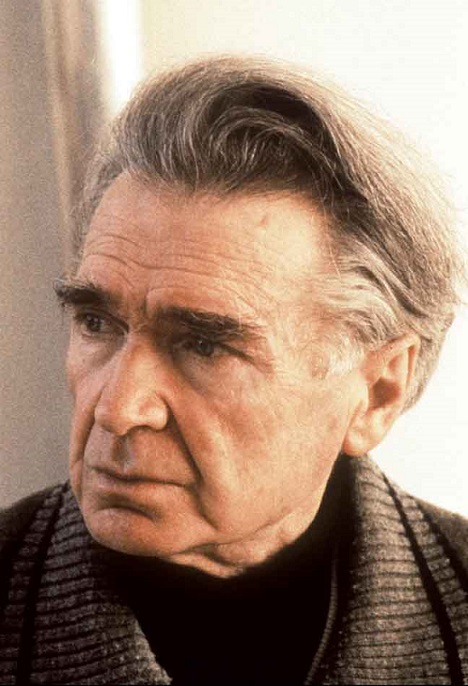
A philosopher, essayist, and writer of Romanian and French expression, Cioran transformed reflection on the human condition into a body of work of remarkable depth, and is today regarded as one of the most important authors of the twentieth century.
Born on April 8, 1911, in the village of Rășinari, near Sibiu, then part of the Austro-Hungarian Empire, Emil Cioran grew up in a family with strong cultural and religious roots. His father, Emilian Cioran, was an Orthodox priest, while his mother, Elvira Comaniciu, came from a prosperous Transylvanian family.
The childhood he spent in Rășinari would remain a defining reference throughout his life, often evoked as a lost paradise. After completing his secondary education in Sibiu, he enrolled in the Faculty of Letters and Philosophy at the University of Bucharest, where he studied alongside Mircea Eliade, Constantin Noica, Mihail Sebastian, and Eugène Ionesco—figures who would leave a lasting mark on Romanian and European culture.
Even during his university years, Cioran distinguished himself through exceptional intellectual abilities and a profound concern for the fundamental questions of existence. Suffering from chronic insomnia since adolescence, he turned sleepless nights into a laboratory of philosophical reflection. The experience of insomnia became one of the essential sources of his work, profoundly influencing his vision of life, time, and consciousness.
At only twenty-two years old, he published On the Heights of Despair (1934), the book that immediately established his reputation within Romanian intellectual circles. The work explores themes such as death, suffering, the absurdity of existence, ecstasy, and despair, and is widely regarded as one of the most significant achievements of his youth.
He followed it with several important volumes, including The Book of Delusions (1936), The Transfiguration of Romania (1936), and Tears and Saints (1937). These works reflect both his spiritual and philosophical inquiries and his concern with the historical and cultural destiny of Romania.
During the 1930s, like many European intellectuals of his generation, Cioran expressed sympathy for radical and authoritarian ideologies. Some of his writings from that period reveal admiration for authoritarian regimes and the Iron Guard movement. Following the tragic experiences of the Second World War, however, he distanced himself from these positions and later acknowledged the errors of his youthful political enthusiasm. This chapter remains one of the most debated and controversial aspects of his biography.
In 1937, he received a scholarship and moved to Paris. What was intended to be a temporary stay became a permanent exile. The French capital became his home for nearly six decades, where he led a discreet existence, largely removed from public life and official academic institutions.
After the war, Cioran made the radical decision to abandon Romanian as his principal literary language and began writing exclusively in French. His French debut came in 1949 with Précis de décomposition (A Short History of Decay), a work that earned the prestigious Rivarol Prize and was acclaimed by French critics as the emergence of an extraordinary new literary voice.
Over the following decades, he published a series of works that secured his place in European intellectual history, including:
All Gall Is Divided (Syllogisms of Bitterness);
The Temptation to Exist;
History and Utopia;
The Fall into Time;
The Trouble with Being Born;
The New Gods;
Exercises in Admiration;
Drawn and Quartered;
Anathemas and Admirations.
Cioran’s work is characterized by a unique aphoristic style, exceptional expressive power, and a rare ability to condense complex ideas into memorable formulations. Although he is often described as a philosopher of pessimism, his thought transcends such a simplistic label.
The central themes of his work include:
the meaning and meaninglessness of existence;
death and human finitude;
suffering;
solitude;
freedom;
religion and mysticism;
skepticism;
history and utopia;
the condition of exile;
the impossibility of absolute happiness;
the limits of human knowledge.
Throughout his life, Cioran cultivated an attitude of radical independence. He declined numerous literary awards and distinctions, preferring to remain outside institutional recognition and official honors. For him, intellectual freedom was incompatible with conformity and authority.
Within French cultural circles, he maintained relationships with notable writers and intellectuals such as Samuel Beckett, Paul Celan, and Eugène Ionesco. He also shared a lifelong partnership with Simone Boué, who remained his companion for more than fifty years.
In his later decades, Cioran’s works were translated into dozens of languages and became subjects of study at universities around the world. Today, he is regarded as one of the greatest masters of the aphoristic form in world literature and one of the most original voices of modern European thought.
Emil Cioran passed away in Paris on June 20, 1995, at the age of eighty-four, following a prolonged struggle with Alzheimer’s disease. He is buried at Montparnasse Cemetery in Paris.
More than three decades after his death, Cioran’s work continues to captivate readers, scholars, and philosophers worldwide. Through his uncompromising lucidity, literary elegance, and courage in confronting the most profound questions of existence, Cioran remains one of the essential figures of modern intellectual history.
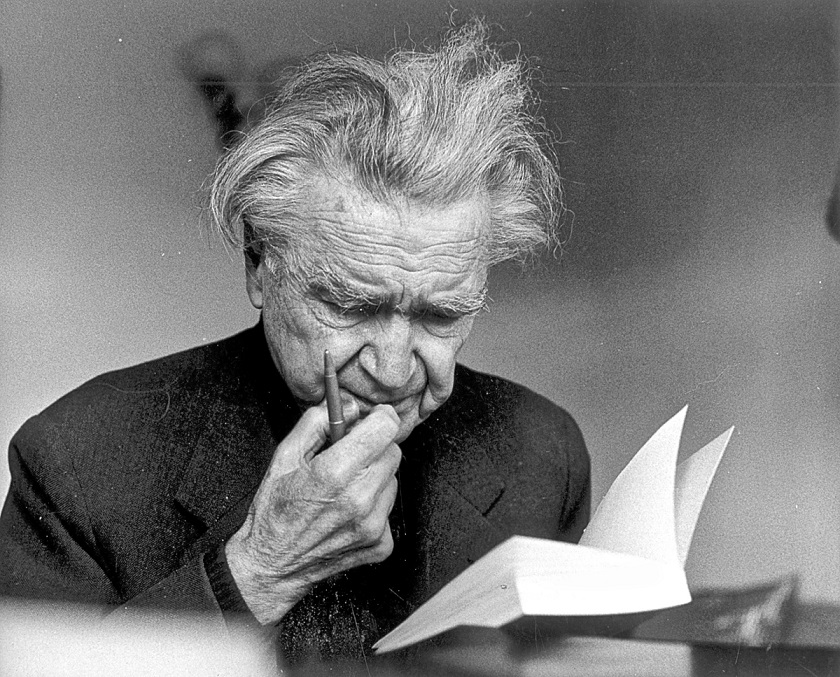
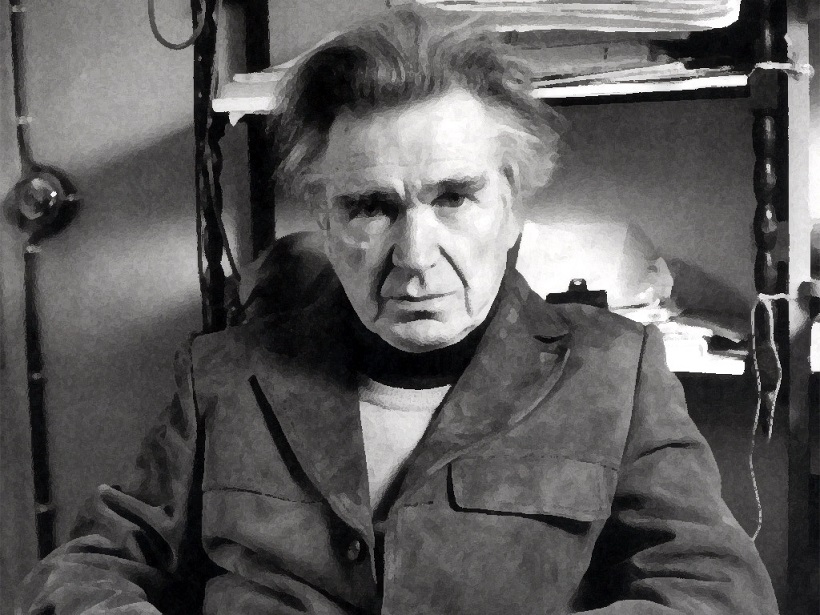
Emil Mihai Cioran (1911–1995) was a Romanian-born philosopher, essayist, and writer who spent most of his life in France. The author of major works written in both Romanian and French, he is recognized as one of the most important European thinkers of the twentieth century and one of the most influential Romanian intellectuals in history.




 International editions: