


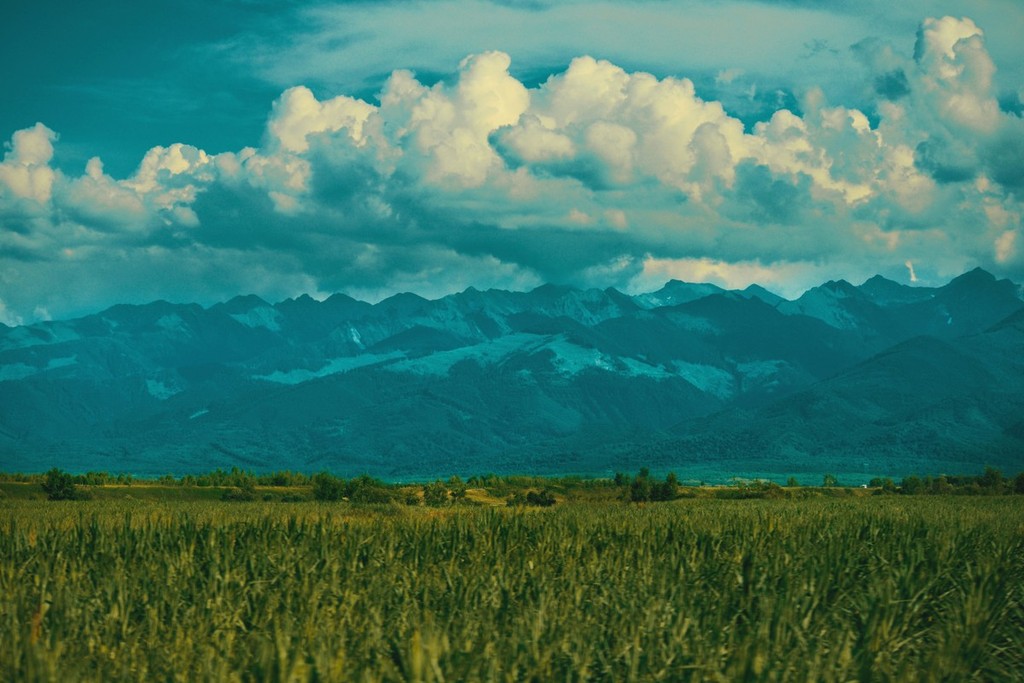
In many of these rural communities, life still follows the rhythm of the seasons, ancient traditions, and local craftsmanship. Historic architecture, cobbled streets, and timeless customs create the impression that little has changed over the generations.
Far from the bustle of modern cities, these villages offer visitors an opportunity to experience authentic rural life and discover the rich cultural heritage of Transylvania.
Viscri – the symbol of Saxon heritage
Located in Brașov County, Viscri is one of the best-known villages in Transylvania. Famous for its UNESCO World Heritage fortified church, the village captivates visitors with its traditional Saxon houses, quiet streets, and peaceful atmosphere.
Many local residents continue to practice traditional crafts such as blacksmithing, weaving, and wool processing, while family-run guesthouses offer visitors the chance to experience authentic Romanian hospitality and local cuisine.
Rimetea – the white village beneath Piatra Secuiului
Situated in Alba County, Rimetea is widely regarded as one of Romania's most beautiful villages. Its whitewashed houses with green shutters and red-tiled roofs have been carefully preserved, reflecting the traditional architecture of the local Hungarian community.
The village is also famous for the remarkable natural phenomenon known as the "double sunrise," when the sun appears to rise twice because it briefly disappears behind the dramatic limestone cliffs of Piatra Secuiului before emerging again.
Biertan – the village dominated by a medieval fortress
In Sibiu County, the village of Biertan is dominated by one of Transylvania's most impressive fortified churches. Listed as a UNESCO World Heritage Site, the fortress served as the seat of the Lutheran Bishops of Transylvania for nearly three centuries.
Colorful houses, narrow streets, and the surrounding vineyards enhance the charm of this exceptionally well-preserved medieval settlement.
Mălâncrav – tradition and tranquility
Located between Sighișoara and Mediaș, Mălâncrav is a Saxon village where centuries-old traditions continue to thrive. Its fortified church, the historic Apafi Manor, and extensive orchards create an idyllic rural landscape.
The village is particularly well known for its apple orchards and scenic hiking trails that cross the surrounding hills.
Saschiz – between fortress and tradition
Situated in Mureș County, Saschiz is renowned for its fortified church and the impressive medieval peasant fortress built on the hill overlooking the village. Together, they form one of Transylvania's most valuable historical ensembles and offer magnificent panoramic views.
Saschiz is also famous for its rhubarb jam, locally produced honey, and handcrafted products made by local artisans.
Cund – a rediscovered village
In recent years, the small village of Cund, also located in Mureș County, has become an attractive destination for travelers seeking peace and sustainable tourism. Carefully restored Saxon houses, beautifully maintained gardens, and charming guesthouses create an atmosphere of authenticity and relaxation.
The surrounding rolling hills make Cund an ideal destination for walking, cycling, and nature photography.
Richiș – home to one of Transylvania's remarkable fortified churches
Located near Biertan, Richiș is another outstanding example of Saxon rural heritage. Its fortified church, built during the thirteenth century, is admired for its exceptional stone carvings and remarkable state of preservation.
The village is surrounded by vineyards, orchards, and gently rolling hills that perfectly illustrate the beauty of the Transylvanian countryside.
Criț – preserving the spirit of a Saxon village
Criț, in Brașov County, has retained the authentic atmosphere of a traditional Saxon settlement. Carefully restored houses, a beautiful fortified church, and peaceful streets attract visitors interested in architecture, history, and local traditions.
Many historic homes have been transformed into guesthouses, allowing travelers to experience village life while staying in beautifully restored heritage buildings.
Șirnea – Romania's first tourist village
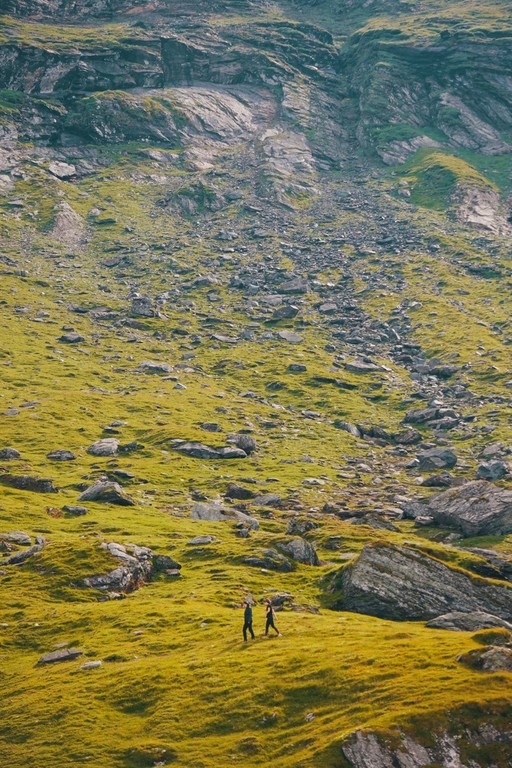
Nestled at the foot of the Piatra Craiului Mountains in Brașov County, Șirnea became Romania's first officially recognized tourist village in 1973. Traditional farmhouses scattered across green hillsides, hay meadows, shepherds' huts, and breathtaking mountain views create an unforgettable landscape.
Pastoral traditions remain an important part of daily life, and visitors are welcomed with genuine hospitality and locally prepared dishes.
Living traditions
Many Transylvanian villages continue to preserve customs that have been practiced for centuries. Traditional clothing is still worn during religious celebrations and local festivals, bread is baked in wood-fired ovens, and crafts such as pottery, carpet weaving, wood carving, blacksmithing, and embroidery continue to be practiced by skilled artisans.
Seasonal festivals, village fairs, and religious celebrations offer visitors the opportunity to experience authentic traditions and gain insight into the cultural identity of rural Transylvania.
A journey into another era
The villages of Transylvania are far more than picturesque tourist destinations. They are living museums where history, architecture, traditions, and nature continue to coexist in remarkable harmony. Visiting these communities offers travelers the rare opportunity to slow down, reconnect with rural life, and discover one of the best-preserved cultural landscapes in Europe, where the passage of time seems almost to have stood still.





 International editions: