


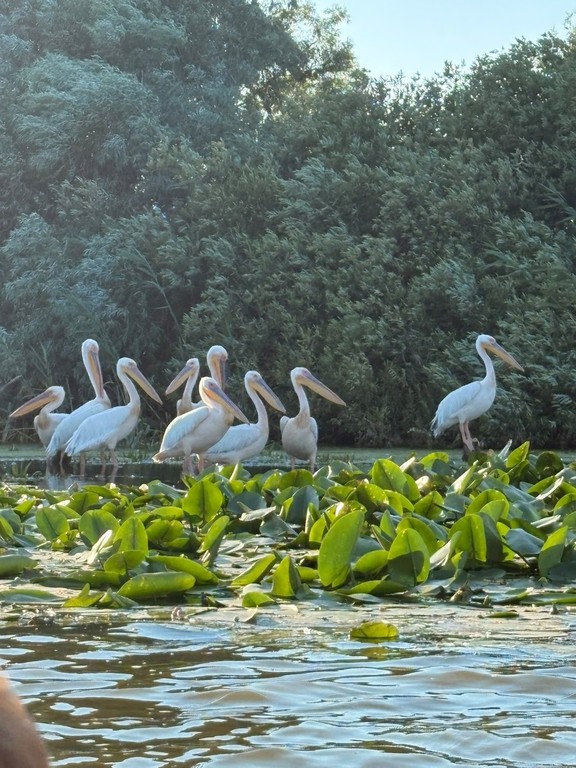
Formed where the Danube River flows into the Black Sea, it is the best-preserved delta on the continent and a true paradise for biodiversity. Covering an area of more than 5,700 square kilometers, the Danube Delta is home to thousands of plant and animal species, breathtaking landscapes, and traditional communities that have preserved their way of life for generations.
Recognized internationally, the Danube Delta has been a UNESCO World Heritage Site since 1991 and is considered one of the world's most important biosphere reserves. Every year, hundreds of thousands of visitors come to explore this unique destination, attracted by its peaceful natural surroundings, extraordinary wildlife, and authentic experiences offered by its traditional fishing villages.
How the Danube Delta Was Formed
The Danube Delta was created through a natural process that has taken place over thousands of years. Every year, the Danube River carries millions of tons of sediment, which gradually accumulate where the river meets the Black Sea. Over time, these deposits have formed sandbanks, channels, lakes, and islands, shaping one of the world's most complex delta ecosystems.
Today, the Danube flows into the Black Sea through three main branches:
Chilia Branch – the longest and the one carrying the largest volume of water.
Sulina Branch – the straightest and the main navigable channel.
Sfântu Gheorghe Branch – the oldest and arguably the most scenic of the three.
Its extensive network of natural waterways and lakes creates a dynamic ecosystem that is constantly shaped by water, wind, and vegetation.
Extraordinary Biodiversity
One of the main reasons why the Danube Delta is so highly valued is its exceptional biodiversity. More than 5,000 species of plants and animals have been identified in the region, many of which are rare or protected.
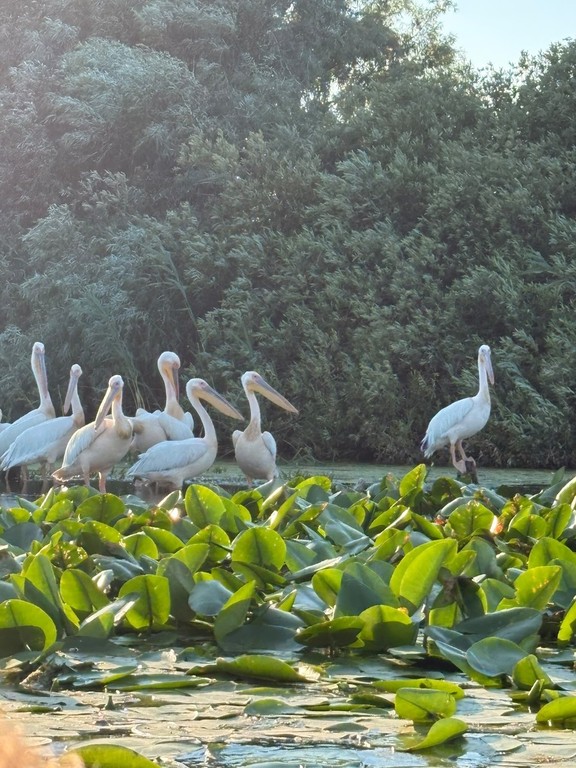
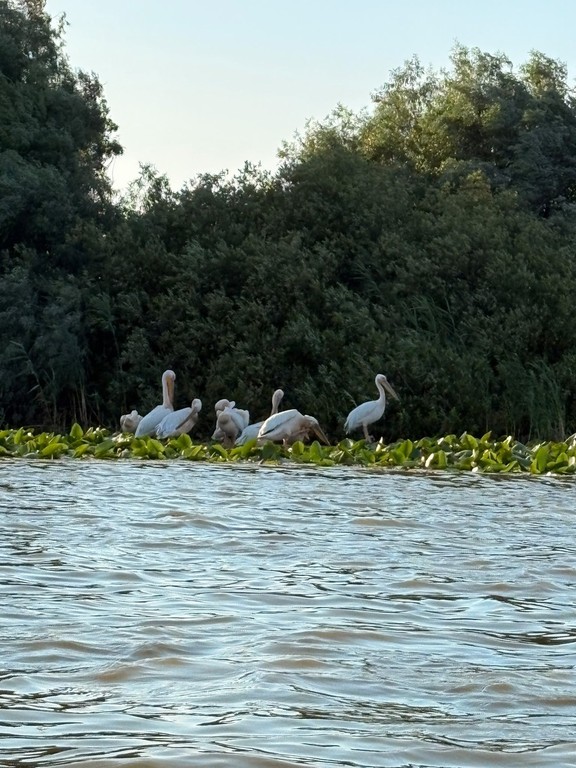
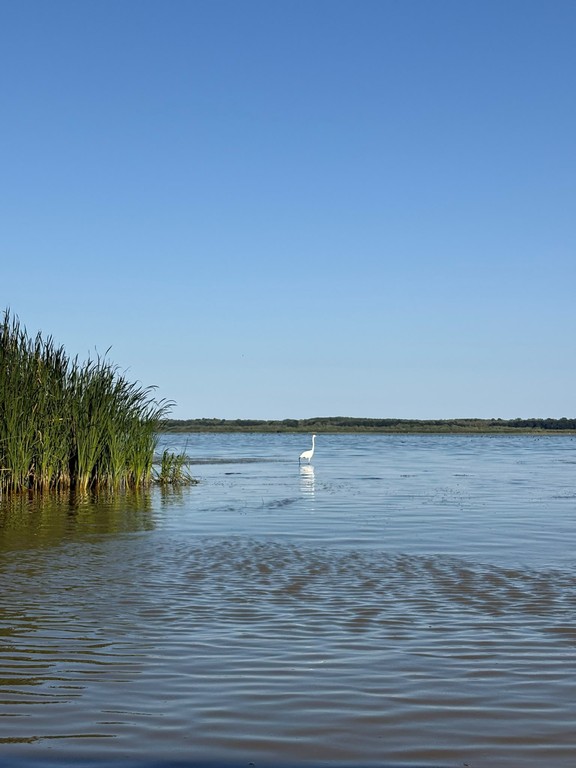
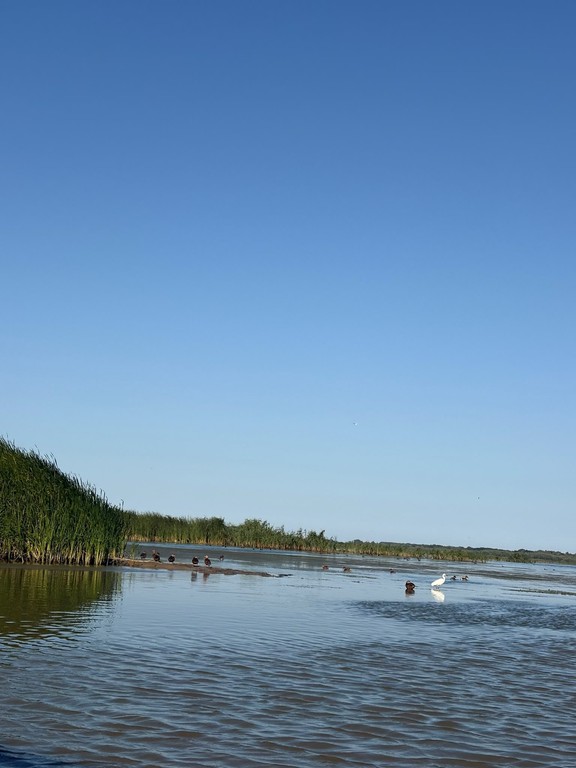
The delta is home to over 300 bird species, making it one of Europe's most important nesting and migration areas. The Great White Pelican and the Dalmatian Pelican are the symbols of the delta, but visitors can also observe egrets, herons, cormorants, spoonbills, swans, wild geese, and numerous species of ducks.
Its aquatic life is equally impressive. The delta's waters are inhabited by carp, catfish, northern pike, pike-perch, perch, crucian carp, and sturgeon, the latter being among the oldest fish species still living on Earth.
The area's mammals include the Eurasian otter, European mink, wild boar, red fox, golden jackal, and raccoon dog. The vegetation is dominated by vast reed beds, white and yellow water lilies, willows, poplars, and centuries-old oak trees found in the famous Letea Forest.
The Danube Delta Biosphere Reserve
In 1990, the Danube Delta was officially designated as a Biosphere Reserve, and one year later it was added to the UNESCO World Heritage List. This status provides international protection for one of Europe's most valuable natural ecosystems.
The reserve's primary objective is to preserve biodiversity while promoting the sustainable use of natural resources. Economic activities are carefully regulated to maintain the delicate balance between human communities and nature.
Numerous conservation and scientific research programs contribute to protecting endangered species and preserving the region's unique habitats.
Tourist Attractions in the Danube Delta
The Danube Delta offers a wide variety of experiences for nature lovers and adventure seekers.
Some of its most popular attractions include:
Letea Forest, Romania's oldest nature reserve, famous for its sand dunes and wild horses.
Caraorman Forest, known for its ancient oak trees with spectacular shapes.
Fortuna, Matița, and Gorgova Lakes, ideal locations for birdwatching.
Mila 23 Canal, one of the most picturesque waterways in the delta.
Mila 23 Village, renowned for its fishing traditions and Lipovan culture.
Sulina, the town located where the Danube meets the Black Sea, home to the Old Lighthouse and the Multicultural Cemetery.
Boat tours are the best way to experience the beauty of the Danube Delta, providing access to remote areas where nature remains largely untouched.
Local Communities and Traditions
The Danube Delta is home to Romanians, Lipovans, Ukrainians, and several other ethnic communities that have lived together for centuries. Each group has preserved its own traditions, customs, and culinary heritage.
Fishing remains the primary occupation for many local residents, and fish-based dishes are an essential part of the region's identity. Traditional specialties such as fish borscht, storceag, grilled fish in brine, and baked fish are enjoyed by both locals and visitors alike.
Traditional houses with reed-thatched roofs, painted in white and blue, add to the authentic charm of the delta's villages.
Ecological Importance
The Danube Delta plays a vital role in maintaining the ecological balance of the region. Its extensive reed beds naturally filter the water, help reduce pollution, and provide ideal habitats for countless species.
The delta also acts as a natural flood protection area and contributes to regulating the local climate. The annual migration of millions of birds highlights the global ecological importance of this extraordinary ecosystem.
Protecting the Danube Delta is a shared responsibility of both authorities and visitors, who are encouraged to respect ecotourism principles and help preserve this fragile environment.
The Best Time to Visit
The Danube Delta can be visited throughout the year, although the period between May and September is generally considered the best time. Spring and early summer offer ideal conditions for birdwatching and enjoying the lush vegetation in full bloom, while autumn captivates visitors with its vibrant colors and peaceful atmosphere.
Nature photographers particularly appreciate the breathtaking sunrises and sunsets, when the changing light transforms the delta into a truly magical landscape.
Conclusion
The Danube Delta is much more than a tourist destination. It is a place where nature, culture, and biodiversity coexist in remarkable harmony. Whether you choose to explore its waterways by boat, observe its incredible birdlife, photograph its stunning landscapes, or simply relax in one of its traditional fishing villages, every visit offers an unforgettable experience.
Exploring the Danube Delta is not only an opportunity to admire one of Europe's most spectacular natural landscapes but also a chance to understand the importance of protecting our planet's unique ecosystems for future generations. This exceptional combination of pristine wilderness, extraordinary biodiversity, and rich cultural heritage makes the Danube Delta a destination that every nature enthusiast should experience at least once in a lifetime.





 International editions: