


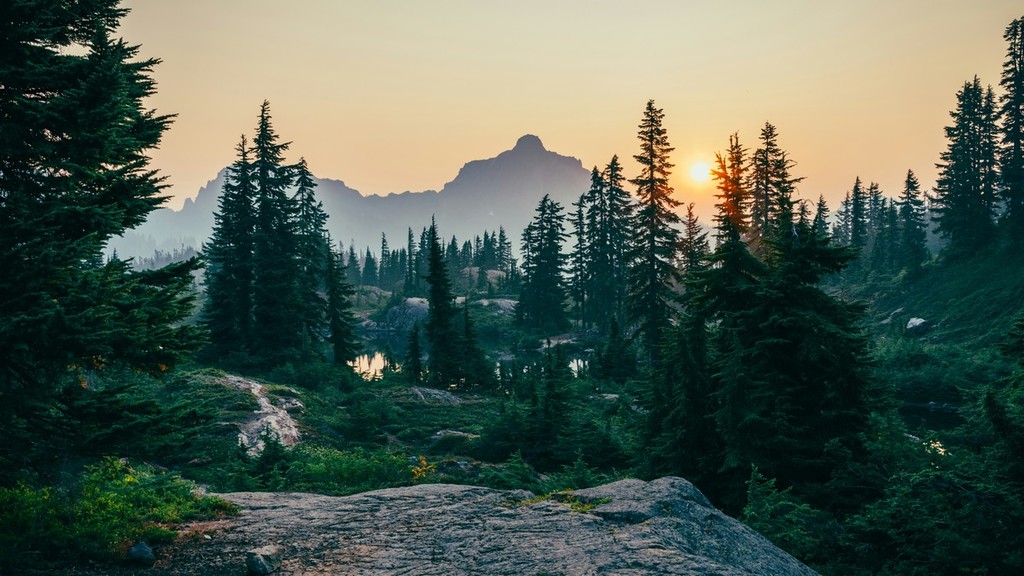
Mushrooms are an important part of this ecosystem and play a key role in maintaining the forest’s natural balance.
From porcini and chanterelles to many other lesser-known species, mushrooms can be found in forests across many regions of Romania. Each species, however, has its own preferences when it comes to soil, moisture, light and the types of trees growing nearby.
Forests are, in fact, among the most important habitats for mushrooms. Rich soil, moisture and layers of fallen leaves create favourable conditions for their development. At the same time, many mushrooms live in association with tree roots, forming mycorrhizal relationships that contribute to the exchange of water and nutrients between fungi and trees.
Where mushrooms grow in Romania’s forests
A mushroom’s habitat can be closely linked to the type of forest in which it grows. Beech forests, which are widespread in Romania’s hilly and mountainous regions, are home to numerous mushroom species associated with this type of vegetation.
Coniferous forests also provide favourable conditions for other species. In the Carpathian Mountains, spruce, fir and pine forests create environments where moisture and organic matter can remain for longer periods, particularly in shaded areas.
Mixed forests, where deciduous and coniferous trees grow together, can offer an even greater diversity of habitats. Different soil, moisture and light conditions can occur within relatively small areas, influencing which mushroom species appear.
Porcini and chanterelles among the most sought-after mushrooms
Porcini are among the most highly valued edible mushrooms found in Romania. Depending on the species and local conditions, they can grow in association with several types of trees, including beech, spruce and oak.
Chanterelles are also well known and widely appreciated. They can be found in both deciduous and coniferous forests, generally favouring areas with suitable soil and moisture conditions.
Mushroom growth, however, does not depend on the season alone. Rainfall, temperature, soil moisture and weather conditions in the preceding period can all have a significant influence on their development. As a result, mushrooms may appear in large numbers one year and be much harder to find the next.
A forest is more than just trees
Although they are often overlooked, mushrooms play an important role in the functioning of forest ecosystems.
Some species break down leaves, wood and other organic matter, helping transform it into substances that can return to the soil. Others live in association with trees and contribute to the processes through which plants obtain water and nutrients.
In this way, fungi contribute to nutrient cycling and soil fertility. Without organisms that decompose organic matter, forest ecosystems would function very differently.
A healthy forest is therefore much more than what can be seen above ground. Beneath the layer of leaves and within the soil lies a complex network of organisms that constantly interact with one another.
Why responsible foraging matters
Mushroom foraging can be an enjoyable activity, but it also requires responsibility. Not all mushrooms are edible, and some poisonous species can closely resemble those that are commonly eaten.
Mushrooms should never be identified solely by their colour, shape or a single characteristic. Whenever there is any doubt, the mushroom should be left in the forest.
The way mushrooms are collected also matters. A forest should be viewed as an ecosystem, not as an unlimited source of natural resources. Excessive harvesting and damage to habitats can affect the natural balance of an area.
It is equally important to follow the regulations in protected natural areas. In some locations, the collection of plants and mushrooms may be restricted or prohibited.
Romania, a country rich in forest habitats
The Carpathians, the Subcarpathian hills and the many forested areas across Romania provide a remarkable diversity of habitats. Differences in altitude, climate, soil and vegetation create favourable conditions for a wide range of species.
From deciduous forests in lowland and hilly areas to coniferous forests in the mountains, each type of habitat has its own natural balance.
Mushrooms are a discreet but essential part of this landscape. They may appear for relatively short periods, sometimes almost overnight, but the biological processes that support them take place throughout the year.
After a rainfall, even a simple walk through a Romanian forest can reveal a world that had previously remained almost invisible. Among roots, fallen leaves and decaying trunks, mushrooms show just how complex a forest ecosystem really is and how much takes place beyond what we see at first glance.
A forest is not simply a place where trees grow. It is a living system in which every organism has a role. And mushrooms, although they often remain hidden from view, are among the essential pieces of this natural balance.





 International editions: