


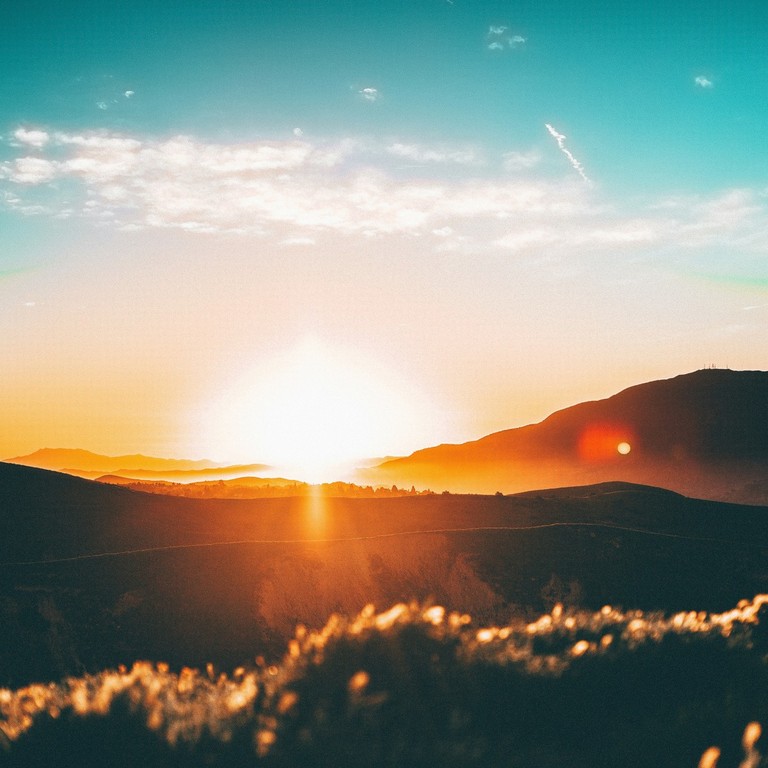
The first light of the day, mountain ridges, forests and valleys covered in mist can transform an ordinary landscape into a memorable image. For beginners, however, capturing a successful photograph requires more than simply pressing the shutter button.
The first step is choosing the right location. For a striking sunrise photograph, look for a place with a clear view towards the horizon and natural elements that can create depth in the composition. Mountain ridges, rocks, trees and valleys can all help create a balanced image. It is important to know the location in advance, especially when reaching the viewpoint requires travelling before sunrise.
Planning is essential. Check the exact sunrise time beforehand and arrive at the chosen location with enough time to prepare. The light changes quickly during the minutes before sunrise, and some of the most atmospheric photographs can be taken before the sun itself appears above the horizon.
When it comes to equipment, a dedicated camera is not essential for beginners. A modern smartphone can also produce very good images when used carefully. For those using a camera, a wide-angle lens is well suited to expansive landscapes, while a telephoto lens can be used to isolate distant mountain ridges and details.
A tripod can be particularly useful in the low light conditions of early morning. Keeping the camera stable allows longer shutter speeds and helps produce sharper images. Shooting in RAW format, when available, also provides greater flexibility during post-processing.
Composition deserves particular attention. The rule of thirds can be a useful starting point: the horizon can be positioned in the upper or lower third of the frame, depending on which part of the landscape is more interesting. A foreground element, such as grass, rocks or tree branches, can add depth and lead the viewer into the scene.
Exposure is one of the main challenges when photographing a sunrise. The difference between the bright sky and the darker mountain landscape can be significant. It is useful to check the image on the camera display and, when necessary, take several photographs with different exposure settings. This gives the photographer more options when selecting the final image.
Mist can become an important part of the composition. In mountain valleys, it can create natural layers between the foreground and distant ridges. When the first rays of sunlight reach the mist, the atmosphere can become particularly dramatic without requiring excessive editing.
For beginners, post-processing should remain as natural as possible. Adjusting exposure, contrast, colour temperature, highlights and shadows can enhance the atmosphere of the morning, while excessive saturation or clarity can make the photograph look artificial.
Sunrise photography in the Carpathians is ultimately about patience and observation. Weather conditions can change quickly, and the final result cannot be completely controlled. This combination of light, terrain and weather is precisely what makes every morning different.
For anyone interested in starting nature photography, a sunrise in the Carpathians can be an excellent first project. With careful planning, basic equipment and attention to light and composition, even a beginner can capture impressive images of Romania’s mountain landscapes.






 International editions: