


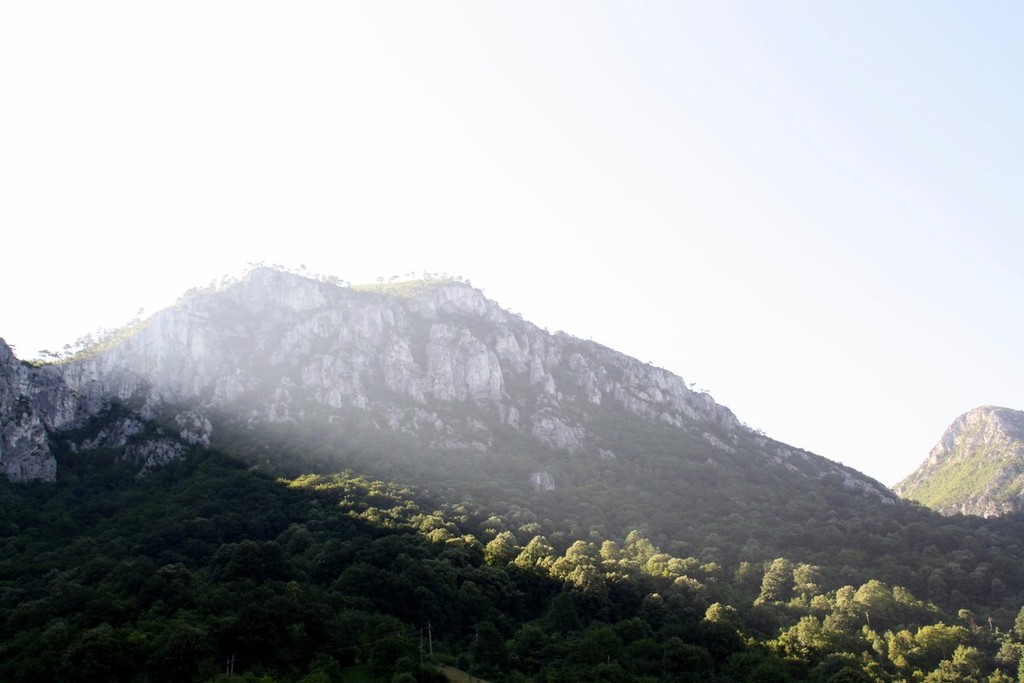
Spa tourism in Romania is gradually changing its image. While spa resorts have long been associated primarily with traditional medical treatments and rehabilitation stays, today the experience is increasingly complemented by wellness, spa, relaxation and tourism activities. Băile Herculane and Sovata are two relevant examples of this transformation, each highlighting its own natural resources and spa traditions.
At Băile Herculane, the resort’s identity is closely linked to its thermal-mineral waters and spa heritage, with a history spanning almost two millennia. According to information published by the Băile Herculane Town Hall, 16 thermal-mineral springs are known in the resort area, with temperatures ranging, depending on the spring, from 38 to 60°C. The waters have different mineral compositions, including sulphurous, chlorinated, sodium and calcium characteristics.
These resources form the basis of a wide range of spa treatments. Depending on the treatment facility and medical recommendation, procedures available at the resort include thermal baths, hydrotherapy, electrotherapy, physiotherapy, hydrokinesitherapy, aerosols, massage and other forms of rehabilitation.
Alongside traditional spa treatment, the resort’s tourism offering increasingly features a wellness component. Some accommodation facilities have invested in spa areas, swimming pools, saunas and jacuzzis, while treatment centres have introduced or use modern equipment for physiotherapy and rehabilitation. Hotel Diana, for example, presents a spa treatment centre combined with a renovated wellness area featuring a swimming pool, jacuzzi and saunas, while Hotel Internațional offers procedures such as electrotherapy, magnetodiaflux, laser therapy, aerosols, hydrokinesitherapy and physiotherapy.
This combination is also changing the profile of a stay in Băile Herculane. A visit to the resort no longer means exclusively following a treatment programme, but can bring together medical treatment, relaxation, accommodation in modernised facilities and exploration of the surrounding natural environment. The resort is located in the Domogled – Cerna Valley National Park area, and its tourism offer can be complemented by hiking trails and natural and historical attractions.
In Sovata, the spa experience has a different particularity. The resort is known for its saltwater lakes and therapeutic mud, with Lake Ursu representing one of its main natural resources. The resort is also known for the heliothermal phenomenon of its salt lakes.
Treatment in Sovata begins with a medical consultation, after which procedures are determined according to the doctor’s recommendation and the needs of each patient. Available procedures include saltwater baths, hot mud packs, medical massage, hydrotherapy, electrotherapy, physiotherapy, phototherapy and inhalations. Some services, such as certain types of massage or fitness programmes, are more closely associated with relaxation and wellness and do not require a medical prescription.
Beyond spa treatments, Sovata offers a broader tourism experience. Hotels in the resort provide facilities such as swimming pools, saunas, fitness rooms and massage services, while the surrounding area allows for hiking, nature walks and excursions to nearby attractions.
The difference between the two destinations therefore lies mainly in their natural resources and the profile of the experience they offer. Băile Herculane builds its identity around thermal-mineral and sulphurous springs, its historic spa tradition and the mountain landscape of the Cerna Valley. Sovata places saltwater, therapeutic mud and the particular characteristics of its lakes at the forefront, complemented by treatment and relaxation services.
For contemporary tourism, the advantage of both resorts is precisely their ability to bring several components together within a single stay: prevention and rehabilitation, relaxation, wellness, nature and exploration of local heritage. Medical treatment remains a distinct component that should be carried out on the basis of assessment and recommendations from specialists, while spa and wellness services can complement the holiday experience.
In this context, the modernisation of spa tourism does not mean abandoning tradition, but rather making use of it in a way adapted to contemporary expectations. The thermal-mineral waters of Băile Herculane and the salt lakes of Sovata remain the main assets of the two resorts, while the experience offered to visitors is increasingly built around comfort, diversified services and an integrated approach to the time spent at the resort.
For those looking today for an alternative to the traditional holiday, Romanian spa tourism can mean more than a treatment programme. It can be an experience that combines natural resources with modern services, rehabilitation with relaxation, and historical heritage with a holiday style focused on well-being.



 International editions: