


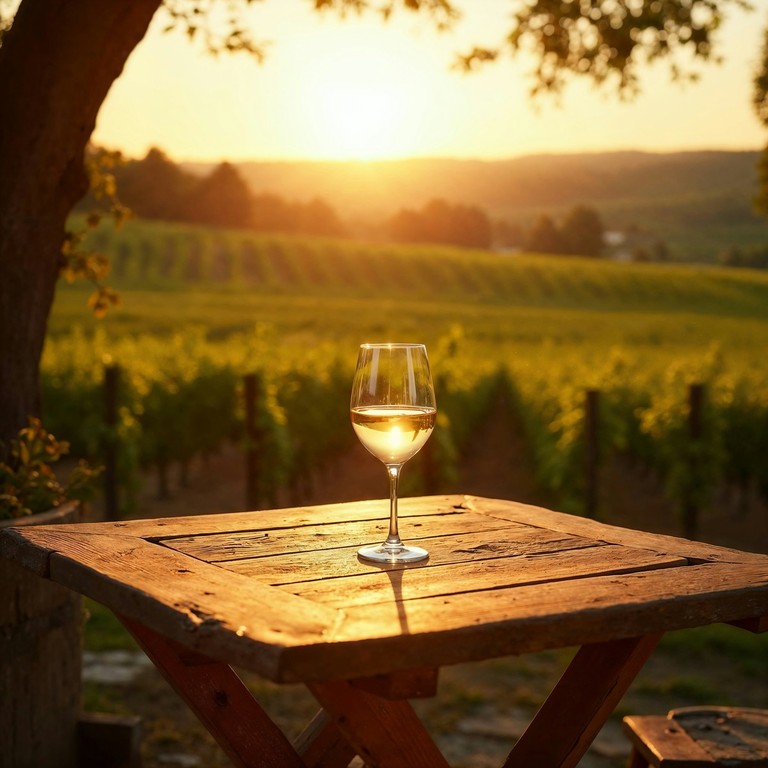
The grapes reach maturity and the harvest begins. In villages with a long winemaking tradition, this period has long been more than a simple agricultural activity: it is a time for families, communities and the gathering of the fruits of an entire year’s work.
Grape harvesting traditionally began in the early hours of the day. The cool morning air, the soft autumn sunlight and the rows of vines covered with clusters of ripe grapes created the characteristic atmosphere of harvest time. The grapes were cut by hand, placed in baskets, buckets or wooden crates and then carried to the place where they would be processed.
In traditional households, harvesting was a collective effort. Everyone had a role: some picked the grapes, others carried them, while the next stage involved preparing the harvest for crushing and pressing. The work could last for hours, but it was accompanied by conversation, laughter and moments of rest.
For many families, harvest day was also an opportunity to prepare a meal using seasonal products. Bread, cheese, vegetables, meat dishes and fruit gathered during the same season could all find their place on the table in the vineyard. It was a simple way of turning a working day into a moment of togetherness.
Once the grapes had been gathered, another important stage began: crushing and pressing. In traditional households, the wine press played an essential role. The crushed grapes were pressed to extract the juice, while the fresh grape must was collected in containers prepared for the next stage.
Fresh grape must is one of the most evocative flavours of autumn in Romania’s wine-growing regions. Sweet, aromatic and intensely fruity, it could be tasted immediately after pressing. For children as well as adults, the moment when the first must began to flow from the press was often one of the highlights of harvest day.
Part of the must was destined to become wine. After the grapes had been harvested and pressed, fermentation began, and the wine required time to develop and clarify. In the past, these stages were often carried out in household cellars, where knowledge and techniques passed down through generations played an important role.
Viticulture is deeply rooted in the agricultural history of many parts of Romania. Grapevines are cultivated in regions such as Moldavia, Muntenia, Oltenia, Dobruja, Banat and Transylvania, each with its own wine-growing traditions and varieties of grapes.
In Transylvania, viticulture is also connected to the history of the region’s Saxon communities. Villages, cultivated hillsides and traditional wine cellars form a rural landscape in which grape growing has played an important role over the centuries. In other parts of the country, vineyards and local traditions have likewise contributed to the cultural identity of rural communities.
Grape harvesting was also a time of solidarity. Several generations of the same family could work together in the vineyard, while neighbours often helped one another. In a rural world where many activities depended on cooperation, harvest season became an opportunity to work together and share the results of the year’s labour.
Today, grape harvesting in many vineyards is carried out with the help of modern technology and agricultural machinery. Nevertheless, in numerous family vineyards and small wine-growing operations, hand harvesting remains part of the traditional rhythm of the season.
For those who continue to preserve these customs, grape harvesting means more than simply gathering the fruit. It connects the present with the memory of rural life: mornings spent among the vines, hands cutting clusters of grapes, the old wine press, the sweet aroma of fresh must and meals shared after a long day of work.
Under the gentle autumn sun, the vineyard gives up its harvest, and for a few days the village seems to return to an older rhythm. Grapes fill the baskets, fresh must begins to flow, and the work of an entire year becomes part of another story of autumn in Romania.





 International editions: