


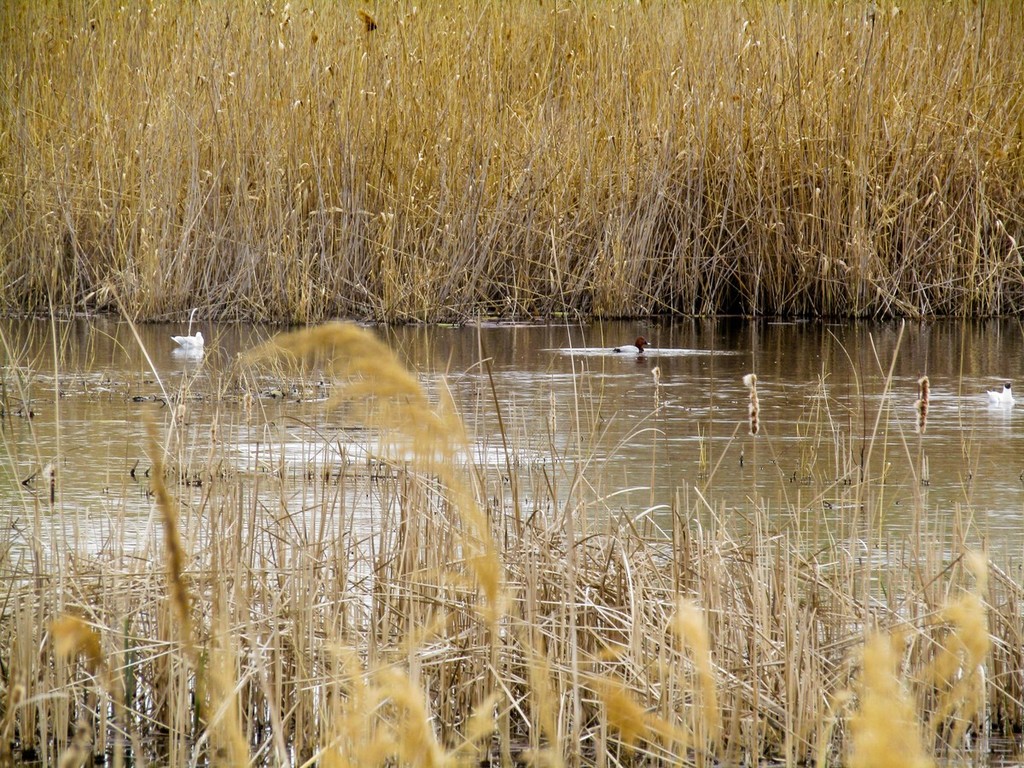
In the south-eastern part of Bucharest, between Calea Văcărești, Șoseaua Olteniței, Șoseaua Vitan-Bârzești and the Dâmbovița River, lies one of the capital’s most unusual natural areas. Văcărești Natural Park covers approximately 183 hectares and is Romania’s first urban natural park. Its story, however, did not begin with the idea of creating a park. It began with a large-scale hydraulic engineering project developed during the communist period.
Before 1988, the area looked very different. The south-eastern outskirts of Bucharest were characterized by fields, gardens and scattered houses, while many of the local roads were still unpaved. Streets such as Glădiței, Povestei, Lunca Bârzești and Săvinești crossed an area whose character was considerably more rural and peripheral than the urban landscape surrounding it today.
In 1988, the communist regime began the project known as the Văcărești Reservoir development. To make the project possible, land and homes were expropriated, and a large area was transformed into a major construction site.
The plan called for the creation of a large reservoir that was to be supplied with water from the Argeș River through the Mihăilești Reservoir. The planned water supply system was to extend for approximately 27 kilometres, although only around 14 kilometres had been completed before 1989. At the same time, work on the earth-and-concrete embankment and the reservoir basin was completed in 1989.
The project, however, never became operational as planned. Attempts to fill the basin were affected by water infiltration problems, and the project was eventually abandoned. After 1989, the unfinished site was left without the development originally envisaged.
Then something unexpected began to happen.
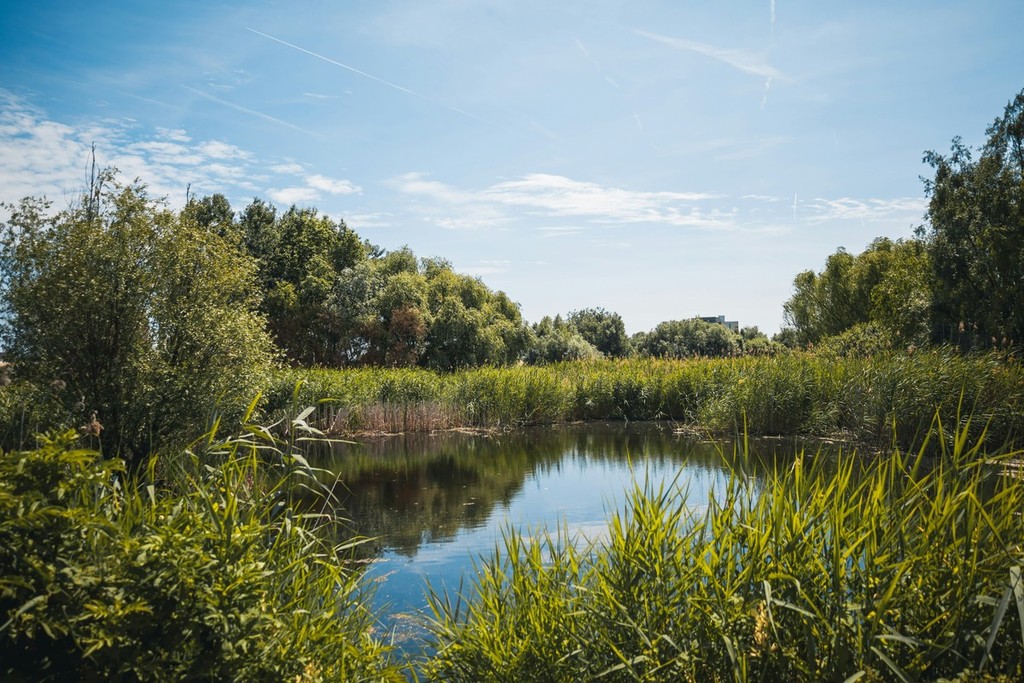
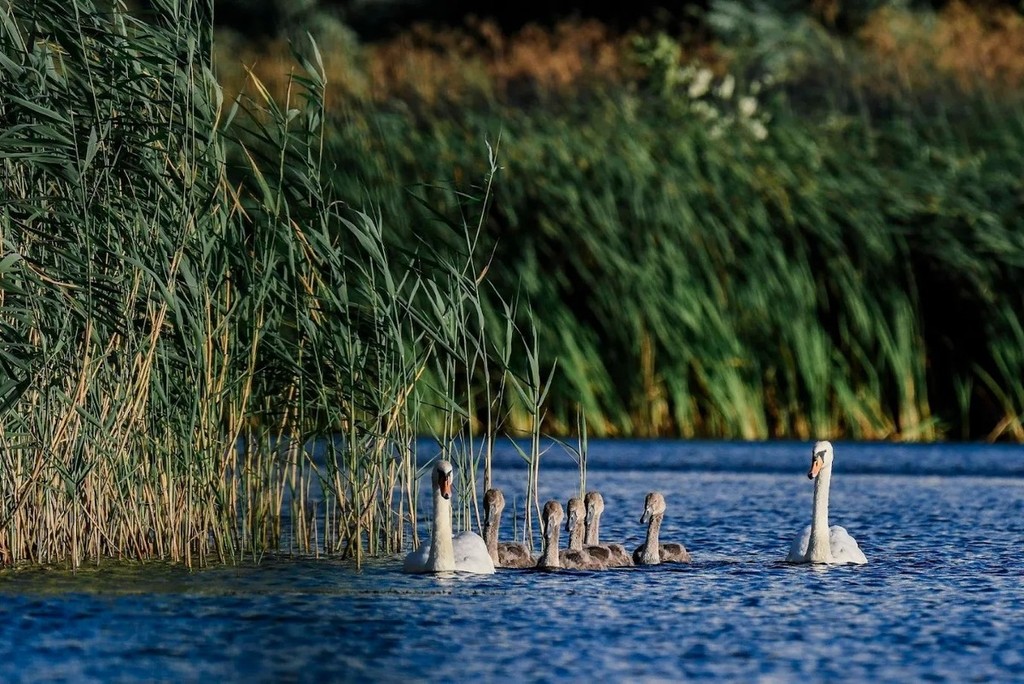
With human intervention greatly reduced, nature gradually started to reclaim the abandoned site. Ponds, wetlands, reed beds and areas of spontaneous vegetation appeared and expanded. Over time, these habitats attracted numerous species of animals, particularly birds.
The former hydraulic engineering site gradually became a complex natural ecosystem, remarkable for an area located within the Romanian capital. The natural regeneration of the territory continued for decades, transforming a space originally designed for a completely different purpose.
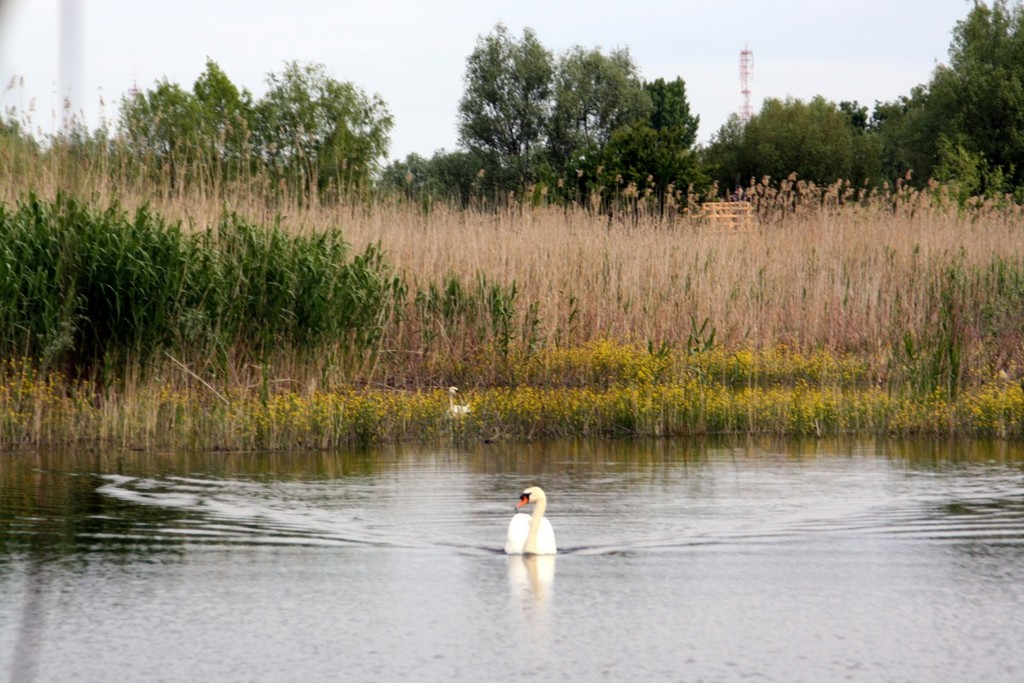
The birds played an important role in revealing the ecological value of the area. Numerous species were recorded over the years, including species considered significant from a conservation perspective. Photographers, researchers and nature enthusiasts increasingly documented the wildlife and landscapes developing within the abandoned reservoir.
By the beginning of the 2000s, the transformation was increasingly visible. Without a major urban development project dictating how the land should be used, vegetation and wildlife continued to occupy the available space.
In 2012, specialists in protected areas began efforts to obtain official protection for the territory. The objective was to recognize the ecological value that had developed at Văcărești and to preserve the ecosystem that had emerged during the decades following the abandonment of the hydraulic project.
The process involved scientific research, documentation and the preparation of a scientific justification for protected status. In 2014, the Văcărești Natural Park Association was established, helping to bring together civic, scientific and institutional efforts aimed at protecting the area.
In 2015, the General Council of Bucharest approved the surface proposed for the future protected area. The decision referred to an area of approximately 183 hectares.
The decisive moment came the following year.
On 11 May 2016, Government Decision No. 349 officially designated the Văcărești Accumulation area as a natural park and protected natural area. Văcărești Natural Park thus became Romania’s first urban natural park, covering approximately 183 hectares.
The new status fundamentally changed the legal and administrative framework of the territory. What had once been a hydraulic engineering construction site was now a protected natural area, with objectives including the conservation of biodiversity and landscape, as well as education, research and recreational activities.
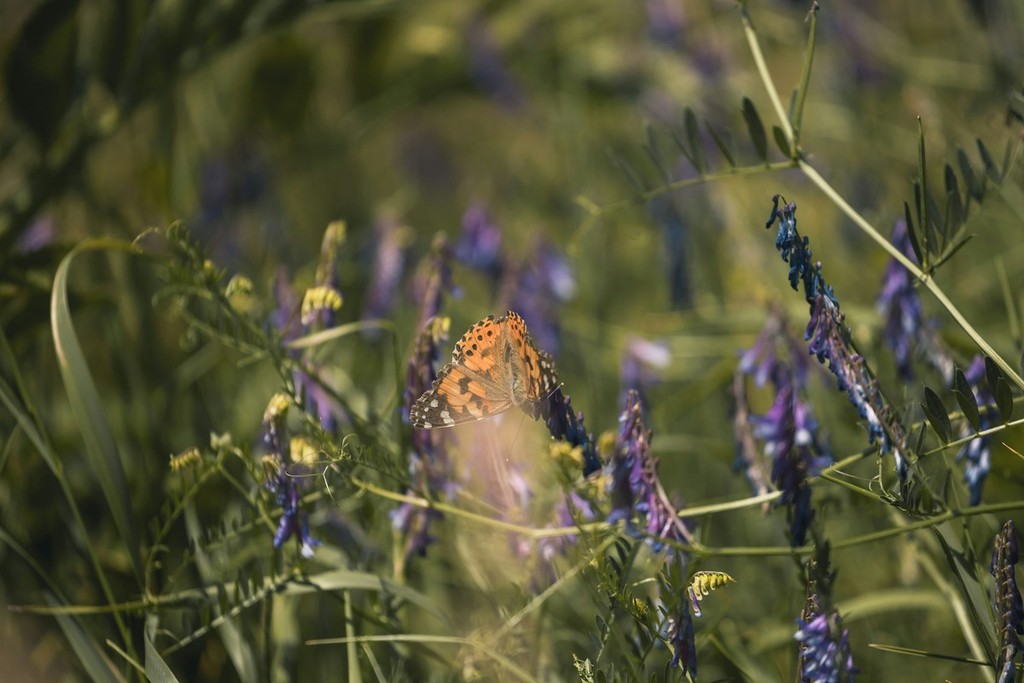
The ecosystem that developed at Văcărești includes wetlands, ponds, reed beds and areas of spontaneous vegetation. Official studies and reports have documented a remarkable diversity of plants and animals, including numerous bird species as well as fish, amphibians, reptiles, mammals and insects.
According to the park’s multi-year report, hundreds of species have been recorded in the area, highlighting the ecological importance of this unusual urban environment.
Today, Văcărești Natural Park represents a unique case in Romania’s urban landscape.
It was not originally designed as a park, nor was it created through a conventional landscaping project. Instead, it emerged through a long process of natural regeneration on land profoundly altered by an unfinished hydraulic engineering project.
This is what makes the history of Văcărești particularly remarkable. A territory once intended to become a large artificial reservoir gradually developed into a mosaic of natural habitats.
Only a few kilometres from central Bucharest, surrounded by busy roads and densely populated neighbourhoods, wetlands, reed beds, trees and wildlife have developed in a landscape shaped over decades by both human intervention and natural processes.
The story of Văcărești stretches from the homes and gardens expropriated before 1988, through the construction of the reservoir, the abandonment of the project after 1989, the spontaneous return of nature and finally the official designation of the area as a protected natural park in 2016.
A project intended to permanently transform part of Bucharest was never completed. Instead, over the following decades, nature created a new landscape of its own — one that ultimately became part of the capital’s natural heritage.




 International editions: