


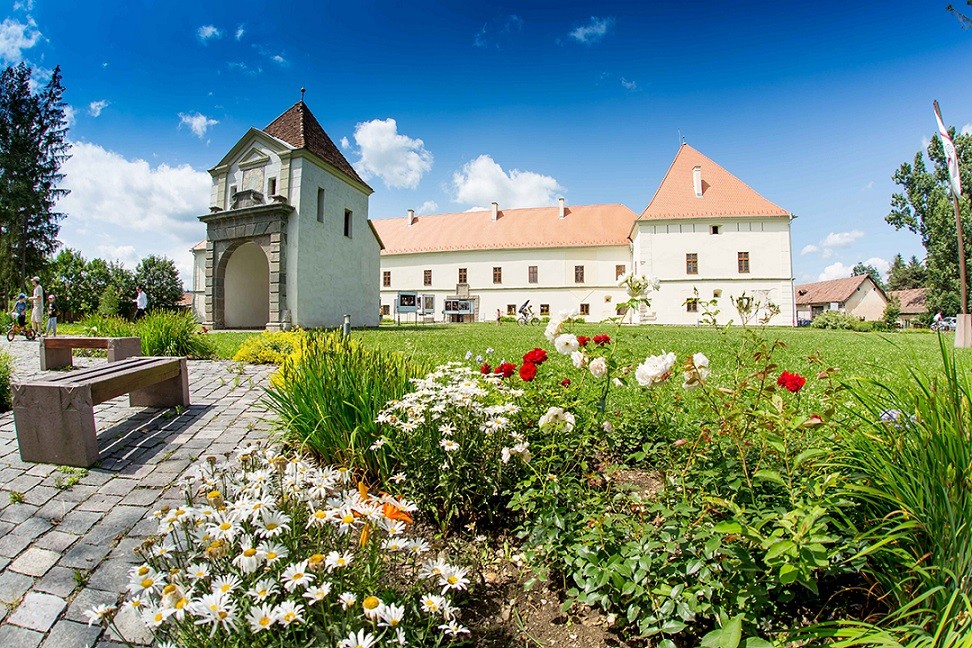
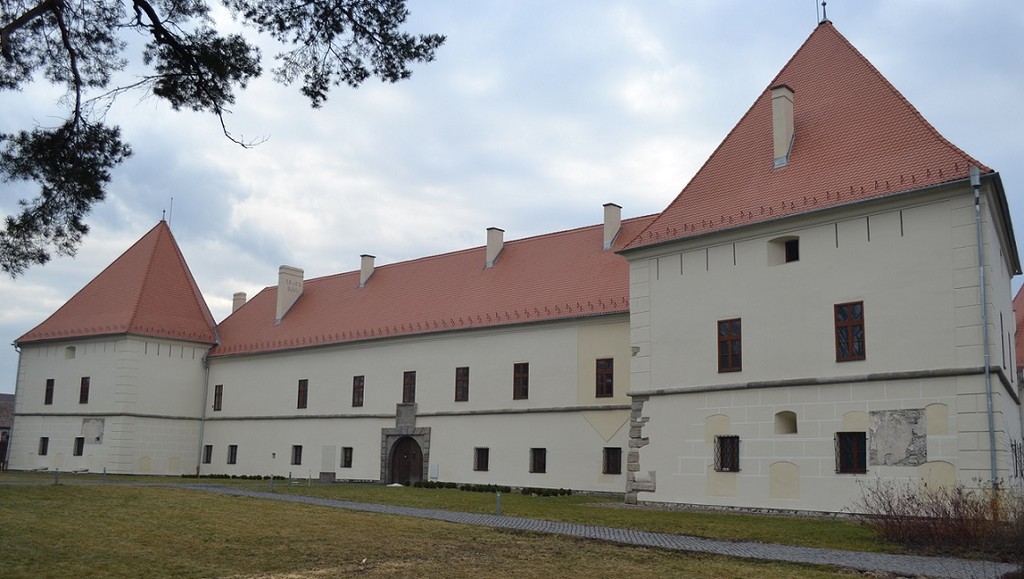
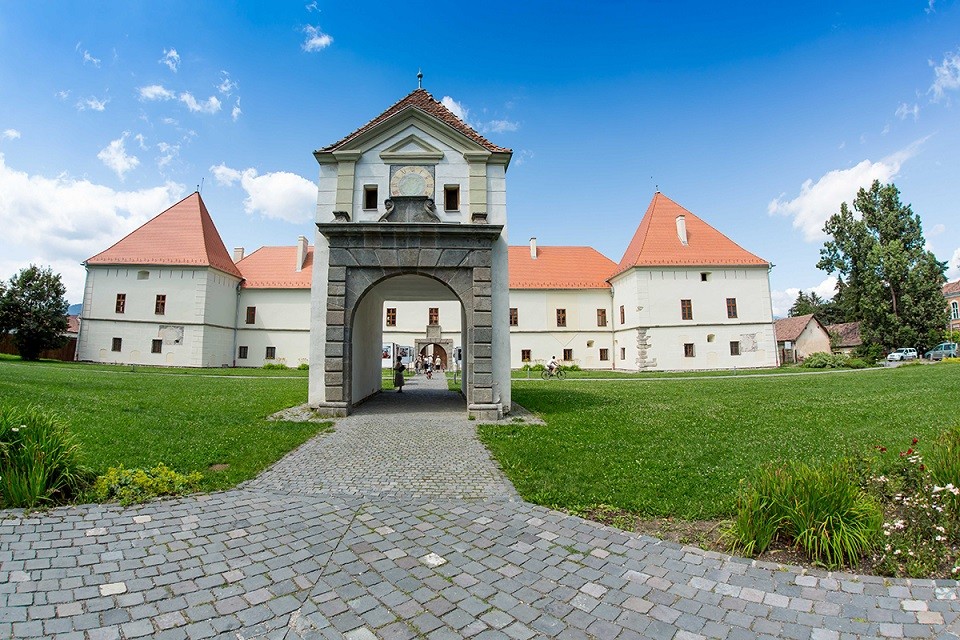
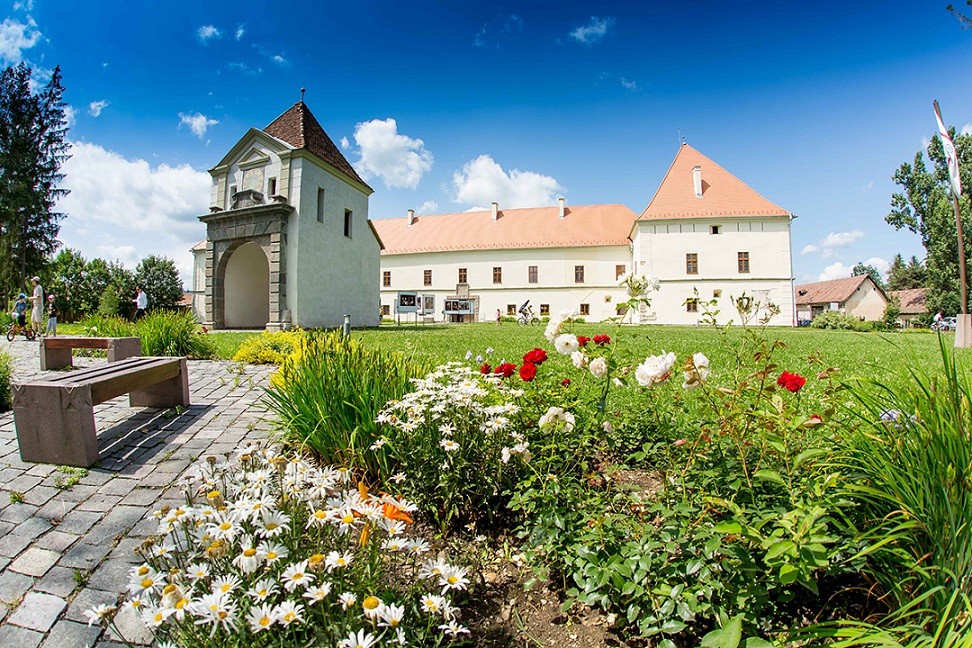
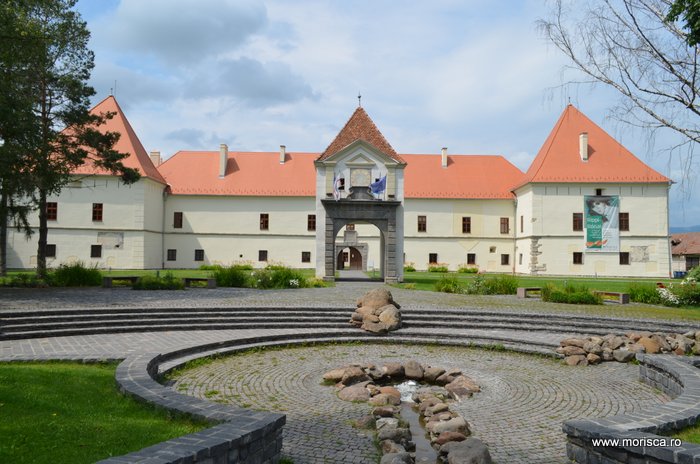
The Mikó Castle is the oldest and most important historical monument in the city of Miercurea Ciuc, Harghita County. Today, it serves as the headquarters of the Székely Museum of Ciuc.
The castle’s primary function was that of a noble residence, but it also had a secondary defensive role as a fortified structure. However, Ferenc Hidvégi Mikó did not spend much time here, as his duties required his presence in the city of Alba Iulia, where he had another residence.
In 1661, the castle was set on fire by Turkish-Tatar troops and remained in ruins for several decades. After the establishment of Habsburg rule in Transylvania, it was rebuilt on the orders of Count Stephan Steinville. The restored castle was intended to defend against possible future Tatar attacks.
As the headquarters of the Székely Museum of Ciuc, it presents over 400 years of Székely history, as well as the history of the building itself. The exhibition includes artifacts discovered through archaeological excavations, many of which have been preserved in situ (in their original location).
Inside the museum, much of the 17th-century whitewash has been preserved, and in some areas, inscriptions are still visible.
In a room known as the Fountain Room, visitors can see the remains of demolished walls, doors that were later transformed into mirrors, a 17th-century latrine, and an interior fountain. The fountain is also the site where many historical objects were discovered.
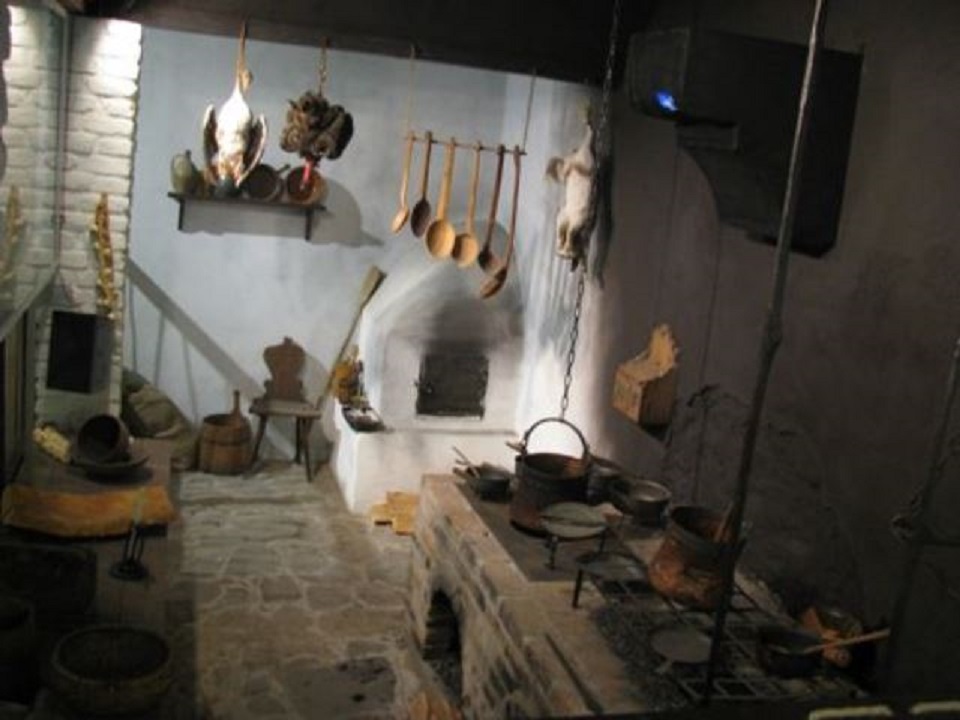
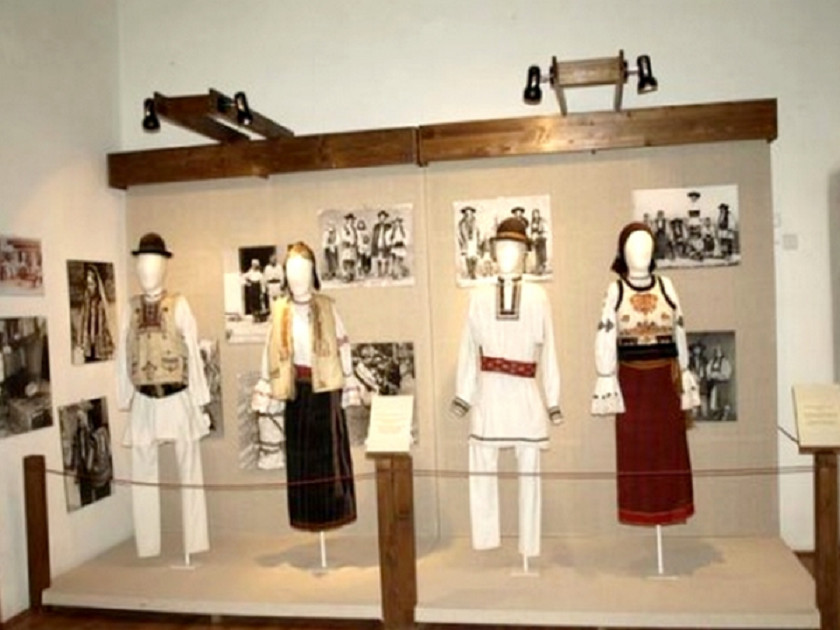
The Kitchen Room is equally noteworthy, featuring a reconstructed stove and oven based on the traces they left behind. The space is brought to life with various pots and pans, as well as scenes from everyday life illustrated by mannequins dressed in period clothing.
Sources:
http://www.cesavezi.ro/obiective-turistice/1-Cetati-si-Castele/1115-Castelul-Mik
http://www.enciclopediavirtuala.ro/monument.php?id=254
povestidecalatorie.ro/trecerea-timpului-in-ciuc-cetatea-miko-si-muzeul-secuiesc-al-ciucului/




 International editions: