


We live in an era where humanity has more comfort than ever before, yet less inner peace. Cities are larger, technology is more advanced, opportunities are endless, and the pace of life is faster than at any other time in history. Every day we are overwhelmed by information, notifications, responsibilities, and social pressure. We wake up tired, work under constant stress, rush from one place to another, and by the end of the day we feel exhausted without truly feeling alive.
Modern life slowly drains our mental energy, physical health, and emotional balance. Crowded metropolitan areas, endless traffic, constant noise, excessive workloads, and lack of time for family have become part of daily routine. At the same time, technology — which was supposed to simplify our lives — keeps us permanently connected to an endless flow of information and social comparison. More and more people struggle with anxiety, depression, burnout, insomnia, and chronic fatigue.
And yet, even in the middle of this chaos, balance is possible. The secret is not to escape society, but to learn how to protect our minds and bodies in a world that constantly demands more from us. Inner balance does not appear by accident; it is built through healthy habits, discipline, and self-awareness.
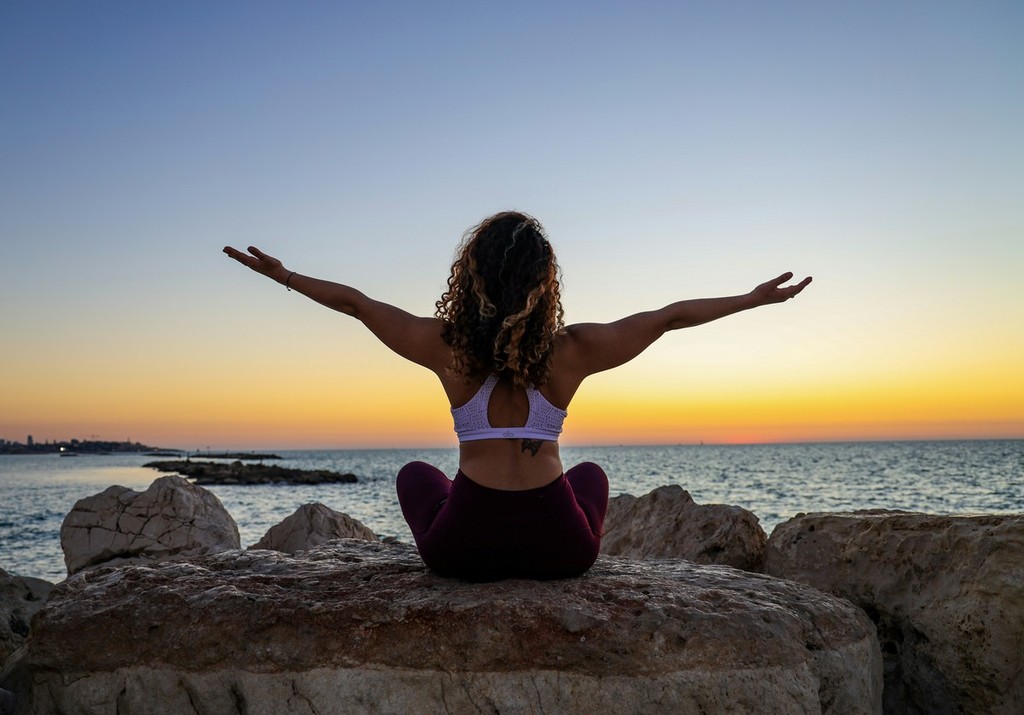
One of the most powerful tools against modern stress is meditation. In a world where our attention is constantly fragmented, meditation becomes a space of silence and reconnection with ourselves. It is not something reserved only for monks or deeply spiritual people, but a simple practice through which the mind learns to calm down and focus. When we meditate, breathing slows, the body relaxes, and thoughts become clearer. Even a few minutes of stillness each day can reduce anxiety and create a profound sense of inner calm.
Breathing itself plays a crucial role in emotional balance. When we are stressed, we breathe quickly and shallowly, keeping the body in a permanent state of alertness. Slow and deep breathing, on the other hand, sends a signal to the brain that we are safe. This is why breathing techniques are now widely used by athletes, therapists, and mental performance specialists. Just a few minutes of conscious breathing can completely transform a person’s state after a stressful day.
Alongside mental health, nutrition has an enormous impact on how we feel. Modern diets based on ultra-processed foods, sugar, and fast food affect both body and mind. Many people try to fight exhaustion with coffee, energy drinks, or unhealthy snacks, without realizing that these only provide temporary stimulation followed by even deeper fatigue. A properly nourished body functions better, and a healthy mind always begins with a healthy body.
Balanced nutrition means choosing foods that are as natural and minimally processed as possible. Vegetables, fruits, fish, eggs, whole grains, nuts, and seeds provide the nutrients the body needs for energy and overall health. At the same time, reducing sugar, alcohol, and processed foods can significantly improve energy levels, concentration, and sleep quality. Often, people are not only stressed but also physically depleted because of the way they eat.
Movement is another essential part of balance. The human body was not designed for a sedentary lifestyle and endless hours spent sitting down. Lack of physical activity affects not only physical health but also mental well-being. Exercise reduces anxiety, fights depression, and improves sleep quality. During physical activity, the body releases endorphins — chemicals associated with happiness, relaxation, and emotional well-being.
There is no need for extreme training or athletic performance in order to benefit from movement. A long walk, light jogging, cycling, swimming, or even simple exercises done consistently can dramatically improve both energy levels and mental state. What matters most is not intensity, but consistency. Even thirty minutes of movement each day can make the difference between a life lived in exhaustion and one lived with vitality.
Sleep is the foundation of both mental and physical health. In modern society, many people sacrifice rest for work, social media, or entertainment. However, without sleep, neither the body nor the brain can recover properly. Lack of sleep affects memory, emotions, immunity, and concentration. A tired person becomes more irritable, anxious, and vulnerable to stress.
Creating a healthy sleep routine is essential. Reducing screen time before bed, avoiding caffeine late in the evening, and creating a calm environment for rest can have remarkable effects on overall well-being. Sleep is not a luxury — it is one of the most important biological needs of the human body.
Amid the fast pace of modern life, human relationships remain essential. People are more digitally connected than ever before, yet increasingly lonely. Family, friends, and authentic connections provide emotional support and a sense of belonging that every person needs. Unfortunately, stress and technology often destroy the quality time spent together. Many people are physically present beside their loved ones while mentally absent, trapped in worries or lost in their phone screens.
Simple moments shared together have enormous value. A sincere conversation, a family meal, or a walk without phones can rebuild closeness and emotional peace. True happiness rarely comes from possessions or social status, but rather from healthy relationships and the feeling of genuinely belonging to others.
Nature also serves as an important refuge for the modern human being. Cities filled with concrete, noise, and pollution quietly exhaust the mind without us even realizing it. Time spent in nature reduces stress, calms anxiety, and improves mood. A simple walk in the park or a few hours away from urban chaos can bring a deep sense of peace and mental clarity.
More and more people are beginning to feel the need for digital detoxification. Smartphones and social media have become indispensable, but also mentally exhausting. Constant notifications and endless social comparisons create anxiety and dependence on continuous stimulation. The mind needs real breaks in order to function properly. Time spent away from screens, reading, silence, and offline moments have become genuine forms of mental recovery.
Ultimately, the greatest challenge of modern life is preserving inner balance. Society constantly pushes us to move faster, produce more, and remain permanently available. In this endless race, many people forget how to truly live. They forget how to breathe, rest, stay present, and appreciate simple moments.
Modern life will probably never become slower. Cities will continue to grow, technology will become even more dominant, and society will move at an even faster pace. Yet human beings can still learn how to live in balance even in the middle of chaos. Through meditation, healthy nutrition, physical activity, quality sleep, authentic relationships, and time spent in nature, every person can reclaim health, clarity, and inner peace.
True victory in modern life does not mean having more than others. It means remaining healthy, clear-minded, and at peace with yourself in a world that never stops moving.





 International editions: