


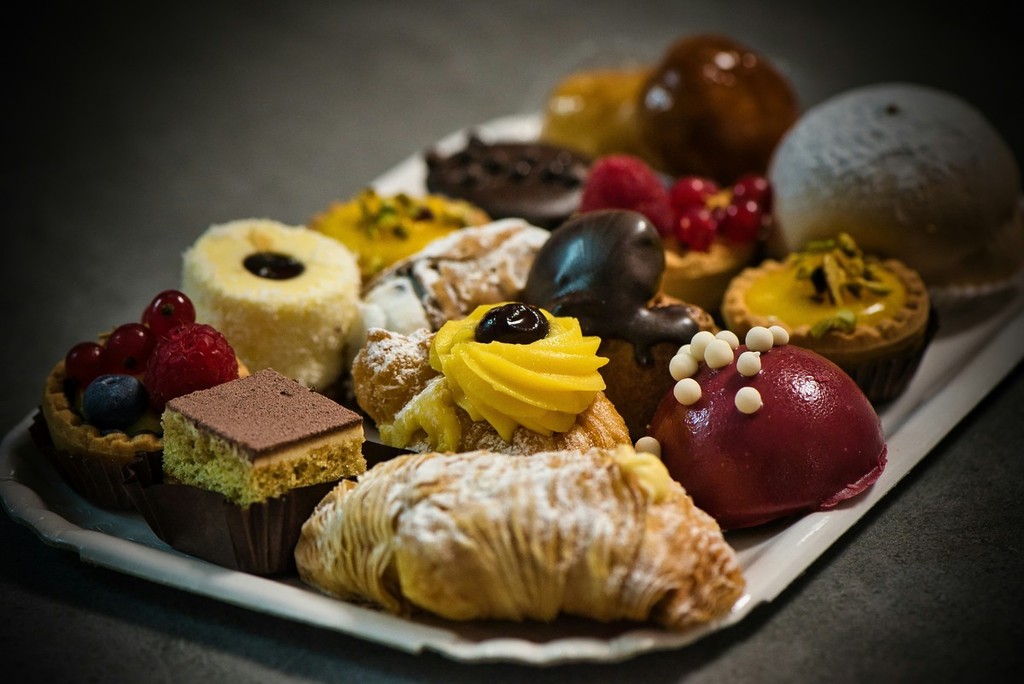
A famous dessert is more than just a combination of ingredients. Behind a slice of cake, a serving of tiramisu or a caramelized cream, there is often a story about people, cities, families, traditions and events that changed the history of gastronomy.
Some desserts were created for the tables of important figures, others appeared in family-run restaurants, while some have origins so old or disputed that it is impossible to attribute their invention to a single person. Over time, however, they all crossed the borders of the places where they originated and became part of the international gastronomic heritage.
From Vienna and Treviso to London, Istanbul and New Zealand, their stories show that gastronomy can also be a form of history.
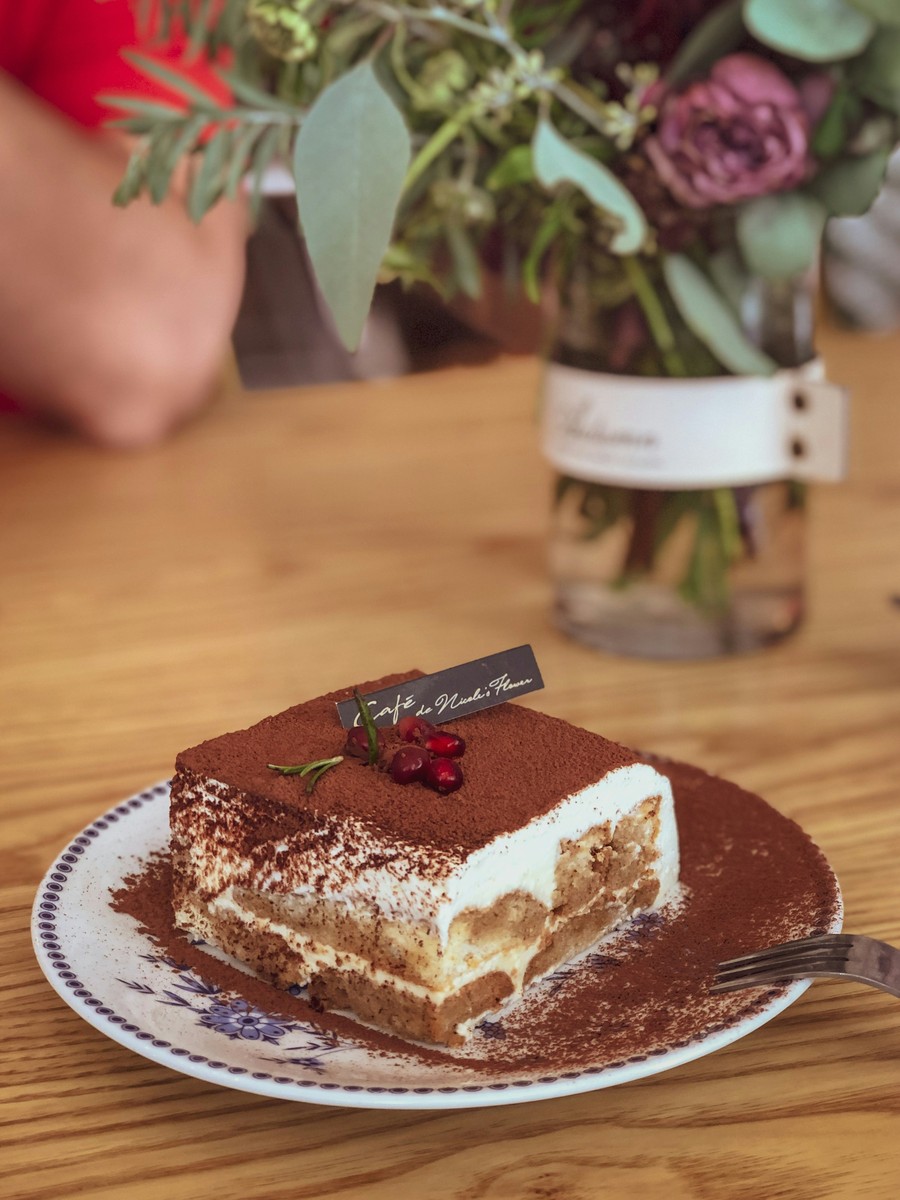
Tiramisu – the Italian dessert that conquered the world
Few Italian desserts have become as famous around the world as tiramisu. Today, it can be found in restaurants on almost every continent, in numerous variations, although its history is relatively recent compared with that of other European desserts.
One of the best-documented stories is linked to the restaurant Le Beccherie in Treviso. According to the restaurant, the dessert was developed by Alba Campeol together with pastry chef Roberto Linguanotto, following a period of experimentation between 1971 and 1972. In 1972, “Tiramesù”, the Treviso dialect form of the name, officially appeared on the restaurant’s menu.
The story is also connected to a traditional preparation called “sbatutìn”, a combination of egg yolk and sugar that, according to the Campeol family tradition, was associated with coffee. The idea of transforming this combination into a restaurant dessert eventually led, after several attempts, to the use of mascarpone, ladyfingers, coffee and cocoa powder.
However, the exact origin of tiramisu remains a matter of debate. It is more accurate to say that Le Beccherie in Treviso is the best-documented place associated with the codification of the dessert in its modern form, rather than claiming without qualification that no one had ever prepared a similar dessert before.
In 2010, the Italian Academy of Gastronomy registered, through a notarial deed, the recipe considered authentic for Treviso tiramisu, based on the historical preparation at Le Beccherie.
Today, tiramisu is a perfect example of how a relatively simple dish can become an international symbol.
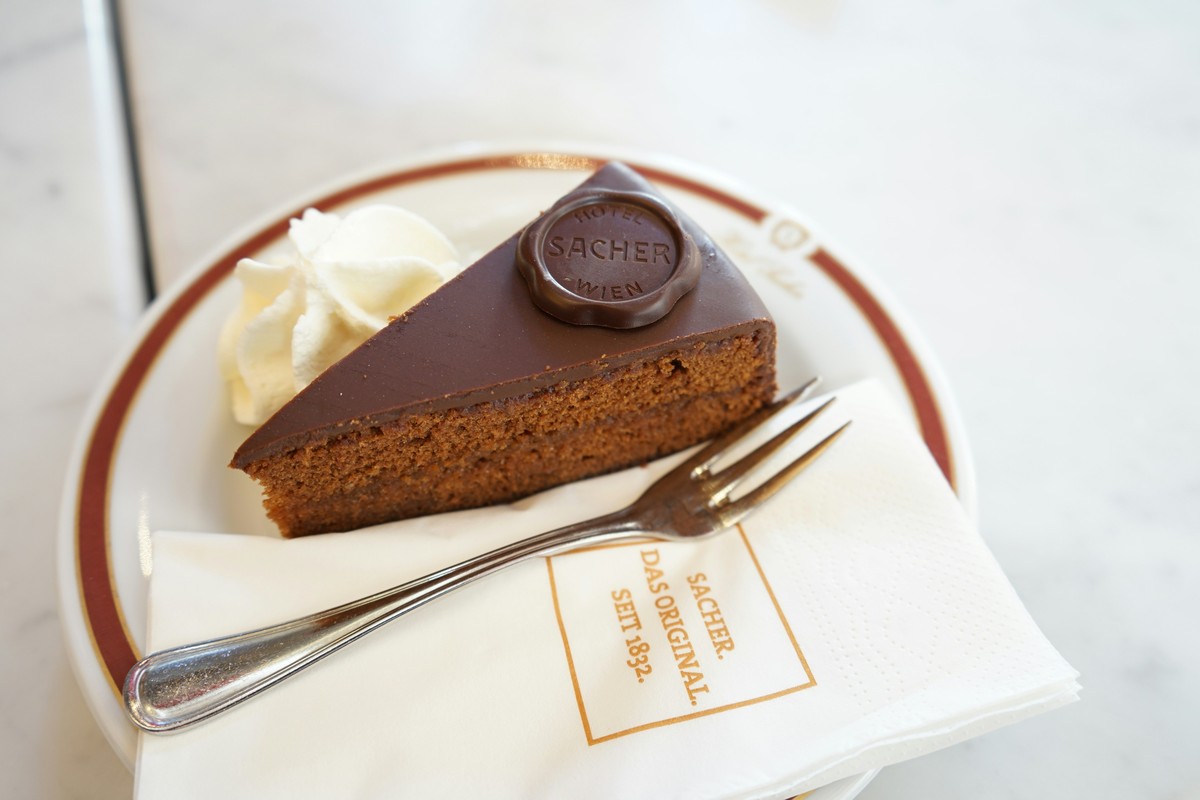
Sacher-Torte – the chance event that created a symbol of Vienna
The story of the famous Sacher-Torte begins in 1832 in Vienna and centers on a young apprentice pastry chef.
Prince Klemens Wenzel von Metternich wanted to offer his guests a special dessert. The head chef was ill, however, and the task fell to Franz Sacher, who was only 16 years old. According to the history preserved by Hotel Sacher, the young man created the chocolate cake with apricot jam that would later bear his name.
The dessert subsequently became associated with the imperial court and Vienna’s café culture. The Original Sacher-Torte recipe is kept secret, and the original version is still made by hand today. Hotel Sacher states that the cake is made in 34 stages.
One of the elements that distinguishes it is the combination of chocolate cake, apricot jam and chocolate glaze, with the dessert traditionally served with unsweetened whipped cream.
The history of Sacher-Torte is also the story of how a dessert can be transformed into a gastronomic brand. In its case, the name, the city and the experience of the Viennese café have become almost inseparable.

Pavlova – the dessert named after a ballerina
Pavlova is one of the best-known desserts associated with Australia and New Zealand, and its story is linked to one of the great ballet stars of the 20th century, Anna Pavlova.
The Russian ballerina toured Australia and New Zealand in 1926. The dessert named after her is made from a meringue base, usually crisp on the outside and soft inside, traditionally topped with whipped cream and fruit.
The exact origin of the dessert has nevertheless generated a historical dispute between Australia and New Zealand. One important fact can be established: the first known recipe for the dessert in a form close to the modern version was published in New Zealand in 1929.
The National Portrait Gallery of Australia also notes that the dessert is associated with Anna Pavlova’s 1926 tour and presents the argument that pavlova may have been created in New Zealand.
Thus, Pavlova is an interesting example of a dessert that has become part of the identity of two countries, and its story demonstrates that sometimes gastronomy does not have borders as clearly defined as those on maps.
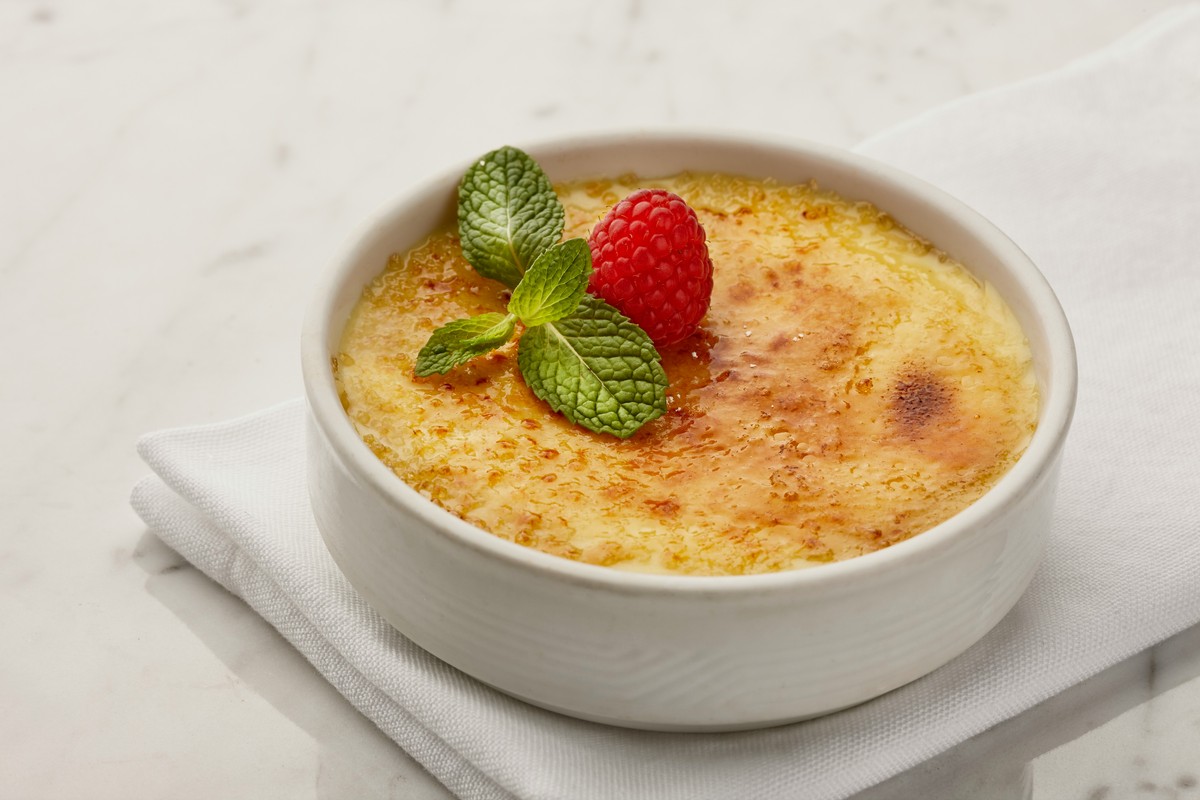
Crème brûlée – a dessert with a more complicated history than it seems
At first glance, crème brûlée appears to be one of the simplest desserts: a smooth custard made with eggs and milk or cream, topped with a layer of caramelized sugar.
Its history, however, is much more complicated.
France, England and Catalonia each have their own traditions and claims associated with desserts of this type. One of the earliest printed references to crème brûlée appears in François Massialot’s 1691 cookbook. The Oxford Companion to Sugar and Sweets notes that the origins of the dessert are disputed and that recipes for custards topped with caramelized sugar appear in several European traditions.
In England, the dessert became particularly associated with Trinity College in Cambridge, where it is known as Trinity Burnt Cream or Cambridge Burnt Cream.
The college itself, however, warns that the claim that crème brûlée was invented at Trinity College almost certainly has no historical basis. There is, nevertheless, a documented connection between the college and “burnt cream” dating back to the 19th century.
It is a good example of why gastronomic stories should be treated carefully: a legend can become widely known without necessarily being a historically proven fact.
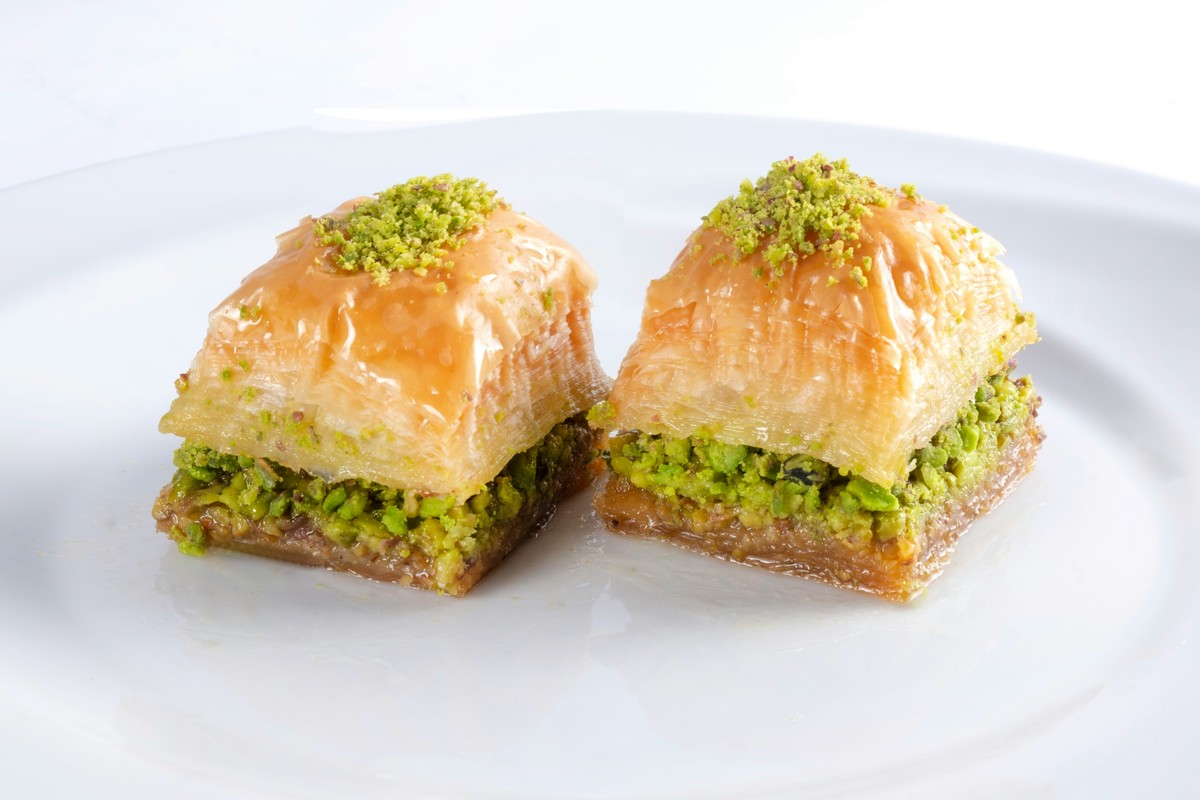
Baklava – the dessert that crossed empires
Baklava is one of the best-known sweet specialties of the Mediterranean, Balkan and Middle Eastern regions. Very thin sheets of pastry, nuts or other nuts and seeds, and sweet syrup form the combination that made the dessert famous from Greece to the Middle East and beyond.
In the case of baklava, it is difficult to speak of a single “inventor”. Its history is connected to the development of preparations based on layers of pastry and syrups in the Near Eastern and Central Asian regions.
OpenStax, in a summary of the Ottoman Empire, notes that recipes from the Abbasid period already used flatbreads or sheets soaked in syrup and combined with nuts, while the kitchens of Topkapı Palace contributed to the development of the use of very thin sheets of pastry known as filo.
Baklava thus became part of Ottoman culinary culture, and the dessert spread throughout numerous regions of the empire.
During the Ottoman Empire, baklava even had a ceremonial dimension. There were ceremonies known as “Baklava Alayı”, during which baklava was distributed to the Janissaries on the occasion of the Ramadan festival.
Today, several countries claim the dessert as part of their own gastronomic tradition. It is precisely this multitude of influences that makes baklava an example of how recipes travel with people, empires and cultures.
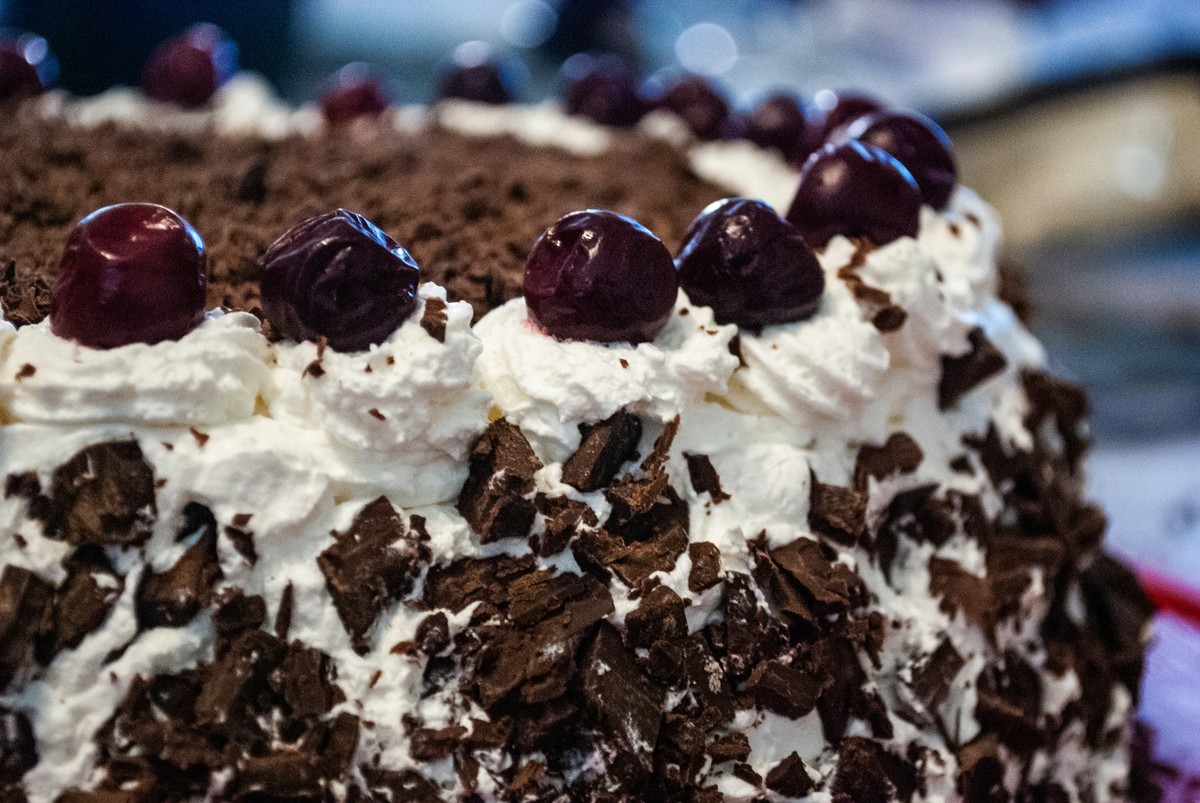
Schwarzwälder Kirschtorte – the Black Forest cake
Few desserts are as easily recognizable by their name and ingredients as Schwarzwälder Kirschtorte, known outside Germany as Black Forest cake.
The cake combines cocoa sponge layers, cherries, whipped cream and Kirsch, the alcoholic beverage made from cherries. Although its name links it to Germany’s Black Forest region, the exact origins of the cake are disputed.
The Goethe-Institut presents it as one of the German desserts strongly associated with the region’s identity and local traditions. For the inhabitants of the Black Forest, the cake is more than a product intended for tourists: it is part of the local gastronomic culture.
The documentary history is more complicated, however. The first known mention of the name “Schwarzwälder Kirschtorte” dates back to 1915, and several people subsequently claimed to have created the dessert. A recipe dated 1927 is preserved in the archives of Radolfzell.
Therefore, it is more accurate to speak of a dessert that developed and became famous within the context of German gastronomy than of an invention that can be attributed with certainty to a single person.

Cheesecake – an idea that survived for millennia
Modern cheesecake is particularly associated with the United States, but the idea of combining cheese with a sweet element is much older.
Gastronomic sources trace early forms of the dish to ancient Greece, where cheese could be sweetened with honey and combined with ingredients resembling a grain-based crust.
With the expansion of the Roman Empire, cheese-based preparations circulated throughout different parts of Europe, and the concept evolved over the centuries.
The cheesecake we know today is the result of a very long evolution, rather than a single invention. In America, the development of cream cheese and the emergence of modern, dense and creamy versions contributed decisively to the form that became famous in the 20th century.
The story of cheesecake is therefore different from that of Sacher-Torte: there is no single moment when we can say, “that is when the dessert was born.” It is rather a gastronomic journey that unfolded over thousands of years.
Why did these desserts become famous?
Behind their success lies more than just taste.
Some became associated with historical figures. Sacher-Torte originated in Metternich’s kitchen and later became a symbol of Vienna. Others became linked to cultural personalities, such as Pavlova, whose name would forever remain associated with the dessert.
Some became emblems of a city. Tiramisu is strongly linked to Treviso, and the experience of tasting it in the place where it was codified is now part of the city’s gastronomic tourism.
Others travelled alongside empires and communities. Baklava is the perfect example: its historical journey crosses regions and cultures, while its modern form is the result of a collective evolution.
There are also desserts whose stories are more interesting precisely because they cannot be established with certainty. Crème brûlée and Black Forest cake demonstrate that gastronomy has its own mysteries as well.
Dessert as a form of heritage
A dessert can tell the story of a city just as well as a monument.
In a slice of Sacher-Torte, part of the history of imperial Vienna can be found. In a serving of tiramisu, we can find the story of Treviso’s gastronomy. In Pavlova, European culture, international tours and the gastronomic identity of Australia and New Zealand come together. In baklava, culinary traditions that crossed empires and continents meet.
That is precisely why desserts can become a starting point for discovering a destination.
The journey can begin in a pastry shop, a historic café or a local restaurant and continue through the streets of a city, the history of a region and the traditions of the people who transformed a dish into a symbol.
Sometimes, to understand a place, you do not have to start with its most famous monument. It may be enough to sit down at a table and try the dessert for which that place is famous.



 International editions: