


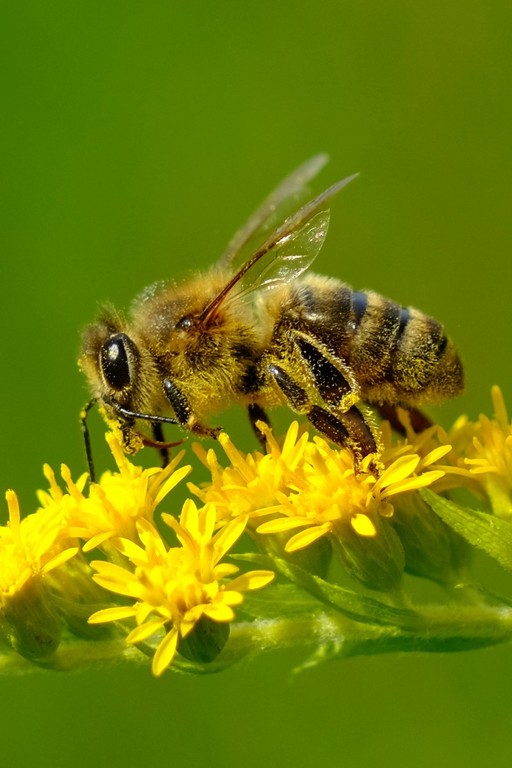
Through pollination, these insects contribute to the reproduction of many wild and agricultural plants, helping to preserve biodiversity and sustain agriculture.
Pollination carried out by bees allows numerous plant species to produce fruits and seeds. From fruit trees and vegetables to oilseed crops and a wide variety of flowering plants, many agricultural crops depend, to varying degrees, on pollinators. For this reason, the health of bee colonies has consequences that go far beyond honey production.
In recent decades, pollinators have faced a number of pressures, including habitat loss and fragmentation, declining food sources, inappropriate pesticide use, climate change, and the spread of diseases and parasites that can affect bee colonies.
Protecting bees starts with preserving the habitats where they can find food and shelter. Planting a variety of flowering species that bloom at different times of the year can provide nectar and pollen over a longer period. Gardens, terraces, public green spaces and even small cultivated areas can therefore become valuable habitats for pollinators.
Particular attention should also be paid to the use of plant protection products. Pesticides should only be used when necessary and always according to the instructions on the label, in order to minimize their impact on bees and other pollinating insects. In agricultural areas, respecting application periods and conditions is especially important.
Everyday actions can also make a difference. Choosing plants that attract pollinators, avoiding unnecessary chemical treatments in gardens and maintaining areas with diverse vegetation are simple measures that can help create safer environments for bees.
Bees are much more than a source of honey and other hive products. They are an important part of ecosystems, contributing to plant diversity and the functioning of natural food systems. Protecting them also means protecting biodiversity and the natural resources on which agriculture depends.
The responsibility for protecting pollinators lies with authorities, farmers, communities and individuals alike. By preserving natural habitats, using plant protection products responsibly and creating spaces that provide food and shelter for pollinators, we can help ensure better conditions for bees and the many other insects that contribute to the health and balance of our environment.





 International editions: