


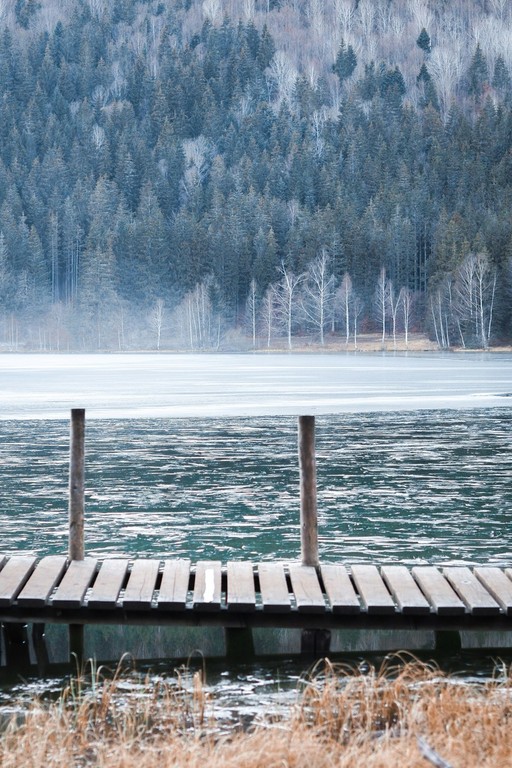
Unique for its volcanic origin and the breathtaking beauty of its surrounding landscape, the lake continues to attract tens of thousands of Romanian and international visitors every year, being widely regarded as a true symbol of the country’s natural heritage.
Formed within the crater of an extinct volcano, Lake Saint Anne is the only intact volcanic lake in Romania. Experts estimate that the last eruption of the Ciomatu volcano occurred approximately 30,000 years ago. Over time, the natural accumulation of rainwater and snowmelt led to the formation of the lake as it exists today. The absence of springs or tributaries gives the lake distinctive hydrological characteristics, resulting in exceptionally pure water with a very low mineral content.
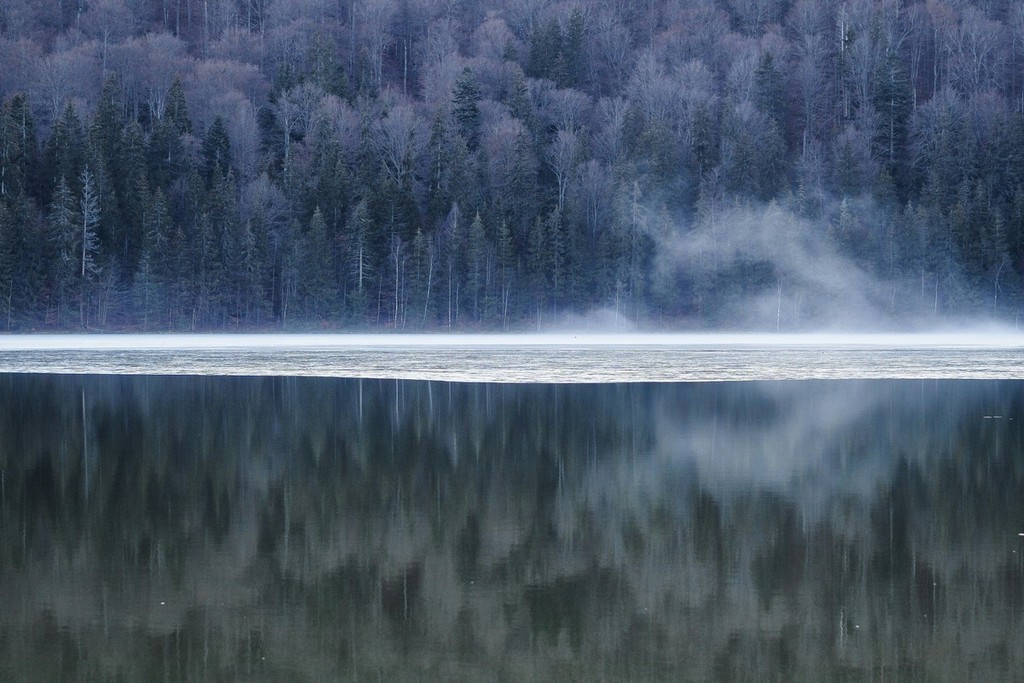
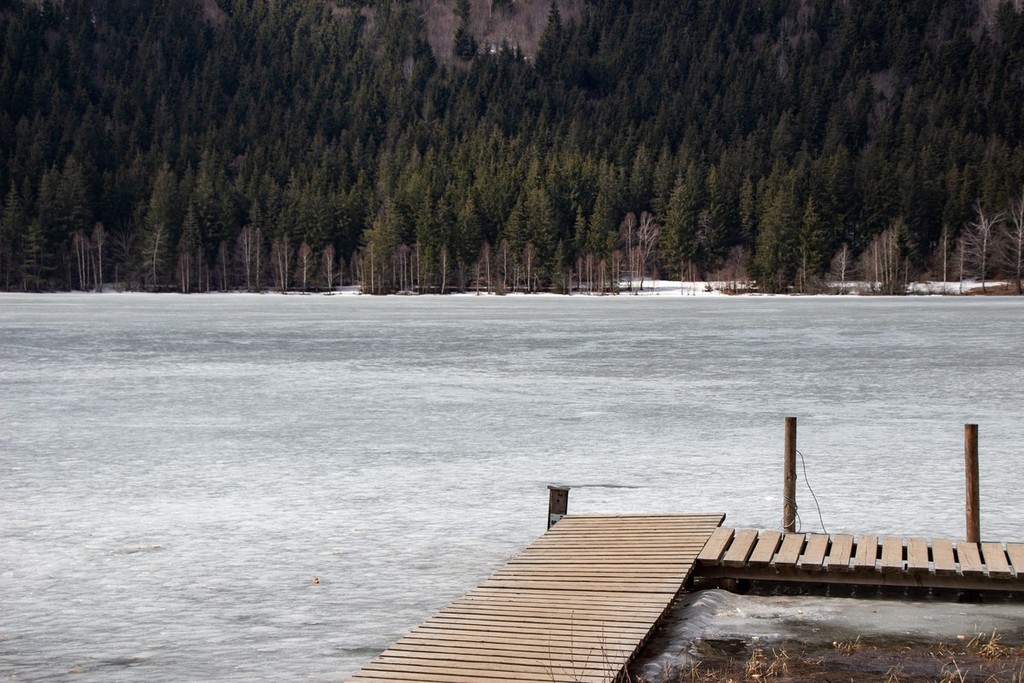
Situated at an altitude of approximately 950 meters above sea level, the lake covers nearly 20 hectares and reaches a maximum depth of around seven meters. The almost perfectly circular shape of the crater, combined with the dense coniferous forests that surround it, creates a landscape of extraordinary beauty, offering visitors an authentic and immersive connection with nature.
Beyond its exceptional geological significance, the Lake Saint Anne area is renowned for its rich biodiversity and protected ecosystems, which are home to numerous plant and animal species characteristic of the mountain environment. Nearby lies the Mohoș Peat Bog, a nature reserve of considerable scientific importance, formed within the crater of another extinct volcano. Visitors can observe carnivorous plants, rare moss species, and vegetation typically found in northern peatland ecosystems—a rare phenomenon in Central and Eastern Europe.
The legend surrounding the lake adds a unique cultural and spiritual dimension to this remarkable destination. According to local tradition, the name “Saint Anne” originates from the story of a young woman who, forced into marriage against her will, met her tragic fate in the waters of the lake. In her memory, a chapel dedicated to Saint Anne was built nearby, becoming over time a place of pilgrimage, reflection, and spiritual devotion for many visitors.
In recent years, local authorities and protected area administrators have implemented strict conservation measures to preserve the lake’s fragile ecosystem. Visitor access is carefully regulated, and activities that could potentially impact water quality or the natural habitat are closely monitored. These efforts aim to safeguard a natural treasure of immeasurable value for future generations.
Today, Lake Saint Anne is not only a premier tourist destination but also a compelling example of harmony between nature, history, and tradition. Whether admired for its spectacular scenery, studied for its scientific significance, or visited for the peace and tranquility it offers, the lake continues to inspire and captivate all who experience it, reinforcing its status as one of Romania’s most valuable natural treasures.
Through its unique geological heritage, remarkable biodiversity, and centuries-old cultural significance, Lake Saint Anne remains an iconic destination—a place of authentic beauty and an essential landmark on Romania’s tourism map.





 International editions: