


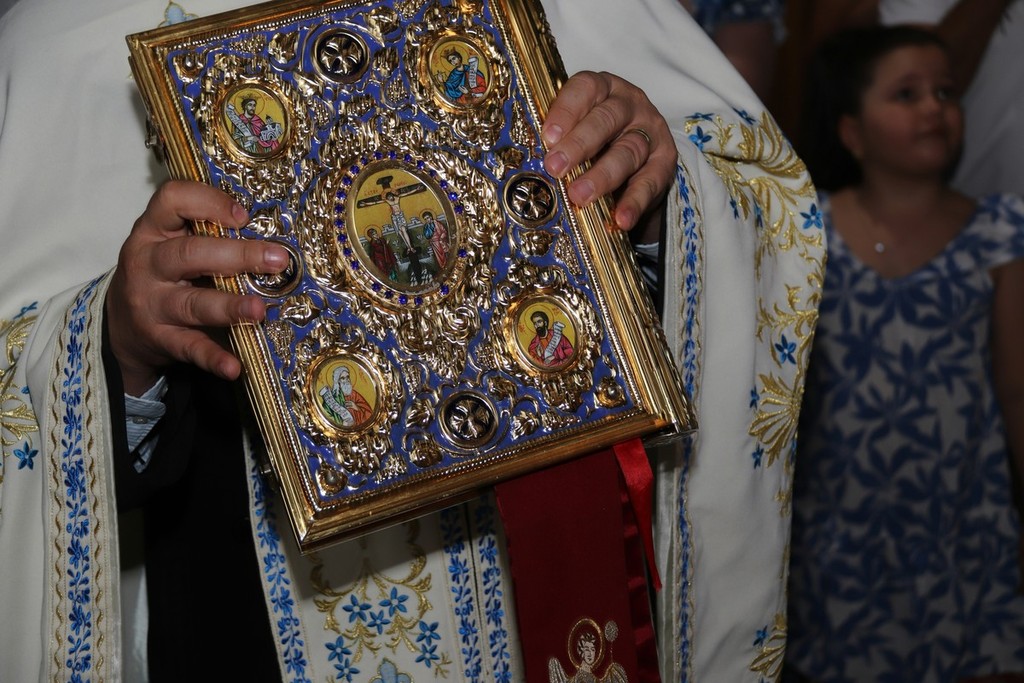
Pentecost, known in the Christian tradition as the Descent of the Holy Spirit upon the Apostles, will be celebrated in 2026 on May 31 and June 1. This major religious feast holds a central place in the Christian calendar, commemorating the moment when the Holy Spirit descended upon the Apostles, granting them the strength and wisdom to spread Christ’s teachings throughout the world.
The feast is celebrated fifty days after Easter and ten days after the Ascension of the Lord. In Christian tradition, it is regarded as the birth of the Church and the beginning of its missionary work. Pentecost is considered one of the oldest Christian celebrations, having been observed since the time of the first Christian communities established during the Apostolic Age.
In Romania, the second day of Pentecost is recognized as a public holiday, allowing most employees to enjoy a day off. Beyond its religious importance, this period is accompanied by numerous customs and folk traditions that have been preserved and passed down through generations.
In many regions of the country, homes and household properties are decorated with green branches of linden, oak, or poplar trees, which are regarded as symbols of protection, prosperity, and renewal. Flowers and wheat stalks are also used to adorn homes, expressing respect for nature and hope for a fruitful year ahead.
Folk tradition places special importance on medicinal plants gathered during this time, which are believed to possess enhanced healing properties. At the same time, various protective customs preserved over the centuries reflect ancient beliefs that continue to be part of Romania’s cultural heritage.
One of the most distinctive elements of Pentecost celebrations is the Căluș, a traditional Romanian ritual dance recognized for its cultural and symbolic value. Performed by groups of dancers known as călușari, the ritual is associated with healing, fertility, and the protection of the community.
During the Pentecost period, the călușari wear traditional costumes, attach bells to their legs, and perform spectacular dances characterized by synchronized movements and energetic leaps. The ritual is led by a unique figure known as the “Mute One” (“Mutul”), whose symbolic gestures and theatrical presence contribute to the significance of the entire ceremony.
Through its profound spiritual meaning and the richness of its associated traditions, Pentecost remains an important expression of Romania’s religious and cultural identity, bringing communities together around the values of faith, respect for tradition, and solidarity.




 International editions: